Holiday Horrors
Airbnb’s new checkout rules: what guests can and can’t be asked
Airbnb is capping checkout chores from 20 November — here’s what will change, what won’t, and how prices could shift.
By the Before You Book Editorial Team
Published · Updated · 5 min read
Quick answerFrom 20 November 2026, Airbnb hosts can no longer ask guests to do cleaner‑type chores like stripping beds or washing dishes on eligible new bookings.
Timeline
21 October 2026
Airbnb details the policy overhaul limiting checkout chores.
20 November 2026
New rules take effect for reservations booked on or after this date.
November 2026
Some hosts urge a one‑day booking blackout and circulate a petition exceeding 27,000 signatures.
If you’ve ever spent the last half‑hour of a holiday stripping beds, loading the dishwasher and rushing out with bin bags, there’s news: Airbnb is rewriting the rulebook. From 20 November 2026, new reservations come with stricter limits on what hosts can ask you to do before checkout — and it could reshape how much of the cleaning bill falls to you versus the cleaner.
Airbnb told the BBC: “We’ve redesigned them to make them easier to discover and clearer to set,” a nod to years of gripes about long chore lists despite hefty cleaning fees. For UK travellers, this should mean fewer checkout surprises — though some hosts warn the policy will push up their costs, and possibly your total price.
What happened
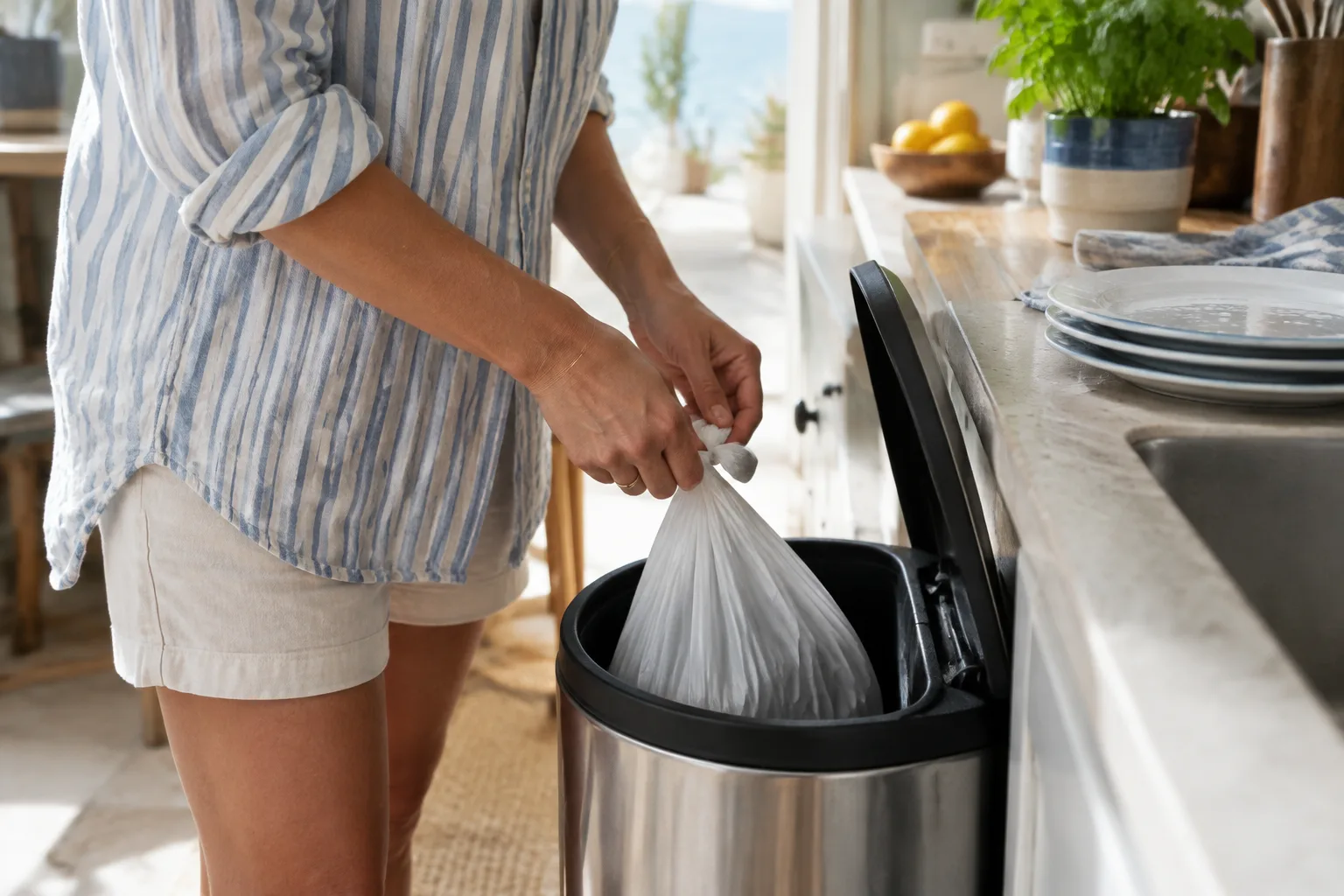
Airbnb has introduced a global policy capping checkout chores on reservations booked on or after 20 November 2026. Under the new approach, guests should not be asked to complete tasks that would typically be done by a professional cleaner. The examples include stripping beds and washing or putting away dishes, as well as taking rubbish offsite.
Hosts will still be able to set house rules — seven standard ones plus additional “reasonable” requests — but the platform says they must be simple, proportionate and clearly shown before booking. That pre‑booking disclosure is critical: rules will also be surfaced more prominently in reservation reminders, cutting the chance of surprise instructions appearing mid‑stay.
Airbnb says fines are not permitted under the updated framework, though hosts remain in control of their house rules within platform policies. If a host request breaches the policy, Airbnb will flag it; owners can appeal if they disagree, but guests should no longer be confronted with a last‑minute list that reads like a rota.
There is scope for exceptions where local realities demand them. Airbnb notes that requests such as shorter showers may be allowed during drought‑related restrictions. But as a baseline, chores requiring notable time or effort — the sort of jobs you’d pay a cleaner for — should no longer be pushed to guests.
The background
Chore lists ballooned in recent years, creating a pinch point for the platform: guests paid cleaning fees yet were still asked to do work. The company’s response is to codify what’s acceptable, rein in excessive requests and ensure the rules are visible early in the booking flow.
For hosts, the change may mean more for the cleaner to do between stays. Many professional outfits already preferred to handle linen and dishwashing for consistency and hygiene, but others relied on guests for light prep. If that prep is pared back, hosts may need to adjust cleaning arrangements and fees — and then sense‑check whether their total price remains competitive for the area.
The reaction among some hosts has been sharp. Community groups have urged a one‑day booking “blackout” on 20 November and circulated an online petition which has drawn more than 27,000 signatures. The thrust of the pushback: reduced control at checkout could lengthen turnovers, raise costs and squeeze margins for smaller operators.
Airbnb, for its part, is also redesigning house rules themselves. Seven standardised rules are intended to make both writing and reading them simpler. Beyond that, additional requests must pass the “reasonable” test. The balance the platform is seeking is obvious: keep properties cared for and neighbours happy without sending guests home with a to‑do list.
What people are saying
Travellers have long argued that a cleaning fee should mean exactly that — the cleaner handles cleaning. The new policy aligns with that expectation by removing bed‑stripping and dishwashing from the guest’s plate, while still allowing common‑sense tidying such as placing used towels in one spot or putting crockery in the sink.
Seasoned renters recommend reading house rules in full before you press “book”. You should see the key requests on the listing page itself, not buried after payment. If anything new appears post‑booking — for example, an unexpected chore list messaged the night before checkout — take a dated screenshot and raise it through the platform if needed.
Consumer advisers also point out that “no fines” doesn’t mean “no consequences”. Serious rule breaches can still lead to claims for damage or additional cleaning via the platform’s resolution process. Equally, fair‑minded behaviour helps everyone: leaving the place in reasonable condition will keep disputes — and any hold on your deposit — to a minimum.
On price, travellers should be prepared for some movement. If hosts can no longer rely on guest labour, they may increase cleaning fees or adjust nightly rates. That makes the true total at checkout more important than ever: compare like for like, including fees, and be wary of headline prices that don’t tell the whole story.
Hosts we’ve heard from worry about compressed turnarounds, particularly on same‑day changeovers or in remote areas where laundry capacity is limited. A likely response is tighter minimum stays, stricter latest‑checkout times, or switching to simpler inventories — fewer decorative items and easier‑to‑clean kitchens — to keep turnovers reliable without leaning on guests.
What happens next
From 20 November the policy applies to new bookings, so most festive‑season stays will be covered if reserved after that date. Expect some teething issues as hosts update listings and house manuals; the platform says it will flag out‑of‑policy requests, but enforcement will evolve with use.
If you’re travelling soon, re‑check the listing’s house rules just before you book and again in your reservation details. Look out for any request that feels like cleaner work — stripping beds, washing and putting away dishes, hauling rubbish offsite — which should no longer appear. If you see them on a new reservation, query it politely through the app.
We also expect a period of price experimentation. Some hosts will absorb higher cleaning costs to stay competitive; others will tweak fees. If you’re flexible, compare several similar homes in the same area and watch how the total price shifts week by week. Those with longer stays or mid‑week checkouts may now present better value if turnovers are easier to manage.
Finally, remember that “reasonable” still has teeth. Requests linked to local restrictions — water limits during droughts, for example — may be upheld by the platform. Guests remain responsible for leaving a place in decent nick: binning everyday rubbish, turning off appliances, locking up and returning keys as instructed. Do that, and your end‑of‑stay should feel far less like a chore chart and more like a clean exit to the airport.
Related: Is Manchester accessible for wheelchair users? The pitfalls
Why this matters
If you’re booking a holiday let after 20 November, checkout chores should be lighter — but the total price may shift as hosts adjust cleaning. Before you book, read house rules on the listing page, compare full prices including fees, and keep screenshots of any rules added later.
From Before You Book Travel · Sponsor
Plan your trip with Becky
Tell Becky where you're dreaming of and she'll come back with a personalised holiday plan. No obligation, and no call centre.
Common questions
- when do the new airbnb checkout rules start
- They apply to reservations booked on or after 20 November 2026. Existing bookings made before that date are not covered by the new policy.
- what chores can airbnb hosts no longer ask for
- Guests generally shouldn’t be asked to strip beds, wash and put away dishes, or take rubbish offsite. These are considered cleaner‑type tasks.
- can airbnb hosts still set house rules
- Yes. Hosts have seven standard rules and can add reasonable extra requests. Rules must be clear before booking and shown prominently in reminders.
- can a host fine me for breaking house rules
- No, fines aren’t allowed under the new framework. However, hosts can pursue claims for damage or extra cleaning through Airbnb’s resolution process.
- will airbnb stays get more expensive after the rule change
- They might. Some hosts could raise cleaning fees or nightly rates to cover extra cleaner time. Compare total prices, not just the nightly rate.
- are there any exceptions to the no‑chores rule
- Yes. Airbnb may allow exceptions tied to local conditions, such as limiting shower time during drought‑related water restrictions.
- how will i see the house rules before booking
- Rules should be displayed clearly on the listing page before the booking stage and will also appear in your reservation reminders after booking.
- what should i do if a host adds chores after i book
- Take screenshots of the new requests and message the host through the app. If they conflict with policy on a new booking, raise it with Airbnb.
Sources
- The Independent Travel: Airbnb's new rules apply from next week. Here's what it means for travellers and hosts | The Independent
- bbc.com: Airbnb hosts can no longer make guests strip beds and wash dishes under new rules
This article was written by Before You Book using the sources listed above. Product mentions are editorial unless clearly marked as sponsored.