Where to Go
Scotland by bus: scenic routes worth planning a holiday around
From west-coast beaches to island distilleries, Scotland’s local buses can make the journey part of your holiday — provided you plan the return first.

By Sophie Clarke, Features Writer
Published · 5 min read
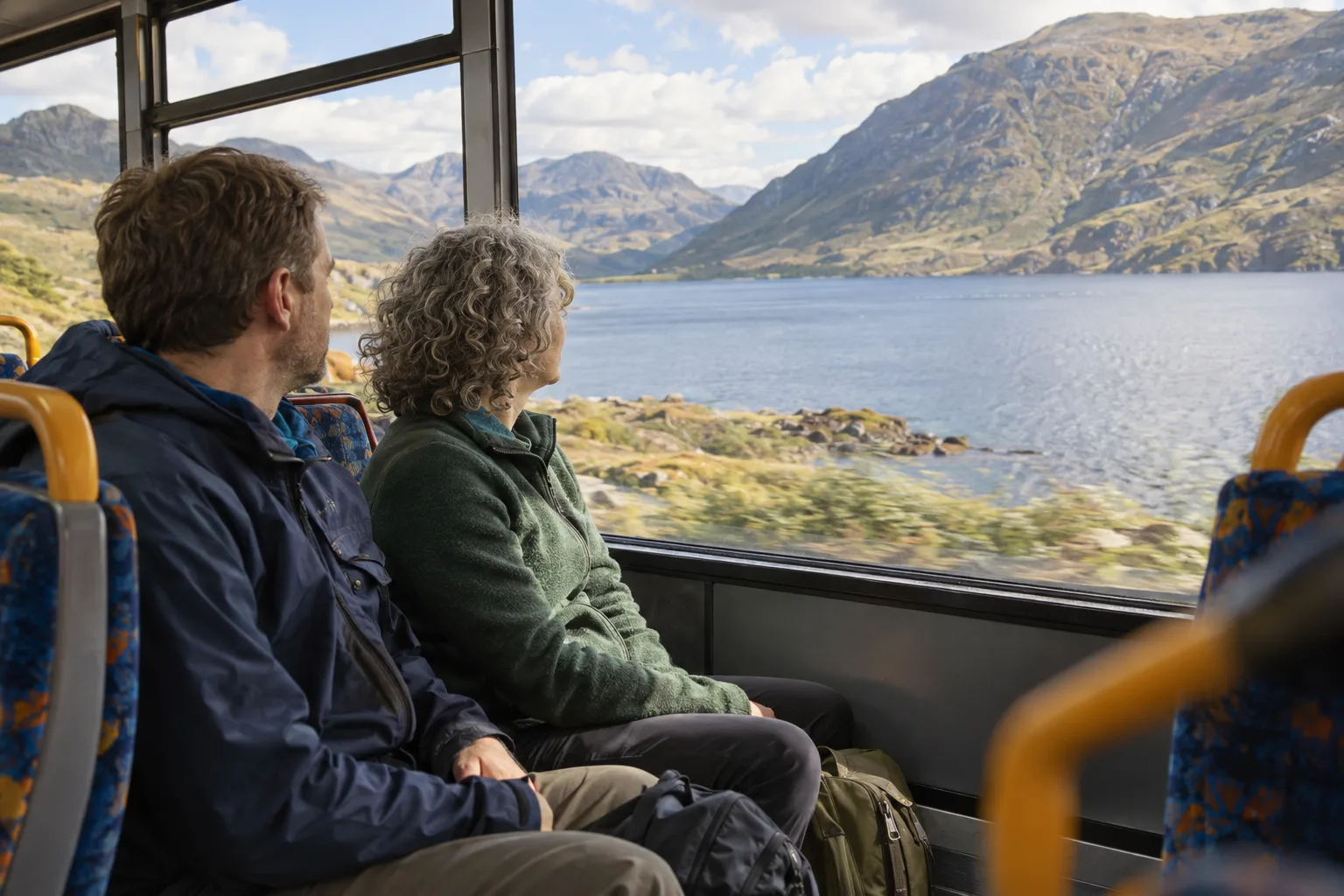
Quick answerExploring Scotland by bus works best when you build your holiday around a few well-chosen bases. We rate Fort William for varied day trips, Islay for whisky visits without driving, and Glasgow for an outing to Loch Lomond.
Scotland’s local buses deserve a place in your holiday planning, not just as a fallback when the hire-car quote arrives. Routes through the Highlands, along the Clyde coast and across the islands put lochs, beaches and whisky towns within reach without spending every day behind the wheel.
Our pick for a first attempt is Fort William: it offers two quite different directions for an excursion, towards Mallaig’s coast or the mountains around Kinlochleven. The important qualification is that these are working bus services, not sightseeing tours. Build your day around the timetable, rather than expecting the timetable to accommodate your day.
What happened
The appeal of a car-free Scottish break is straightforward: the road journey can become part of the pleasure. Someone else handles the bends while you watch the landscape, and there is no parking space to find when you arrive. Local routes also reach places that a railway-only itinerary would leave out.
Low fares strengthen that argument, but we would not book a holiday on a headline price alone. A £2 single-fare cap is described in the supplied material; its current dates, coverage and exclusions have not been independently verified for this article. Transport Scotland is the original authority to consult for scheme rules, alongside the operator for your particular journey.
Start with a useful base
Fort William makes sense because you can stay put and choose different landscapes each day. The Shiel Buses 44 corridor towards Kinlochleven crosses the mouth of Loch Leven at Ballachulish before following the loch east. This is a waterside approach to mountain country, rather than a tour through the full length of Glencoe.
In the other direction, the Shiel Buses 500 links Fort William and Mallaig, with Glenfinnan and Morar along the way. We rate this for variety: railway heritage, freshwater scenery and west-coast sand can feature in the same holiday without changing hotels. Check the operator’s timetable before treating any intermediate stop as a workable excursion.
Glenfinnan rewards getting off rather than trying to collect a photograph through glass. At Morar, the beaches offer a different sort of stop, while Mallaig provides a harbour-town destination in its own right. Choose one main stop if departures are sparse; trying to fit in all three could leave more clock-watching than sightseeing.
The background
Scotland’s geography makes the distinction between a scenic ride and a practical day trip especially important. A road can follow a loch for miles before reaching a crossing, and a short distance on the map may not translate into a quick connection. Island journeys add ferry timetables to the calculation.
Easier introductions on the mainland
Glasgow to Balloch is our suggestion for travellers who want a taste of car-free touring without committing their whole holiday to it. Balloch sits at Loch Lomond’s southern end, with access to the water and Balloch Castle Country Park. It is also served by rail, giving you another transport option to compare.
The First Bus 1E is the service identified for this corridor. Once in Balloch, keep the outing simple: a shoreline walk and woodland paths require less coordination than a cruise departure. If a boat trip is the main reason for going, check its sailing time separately and allow a margin between connections.
For seaside towns rather than mountain scenery, consider the Ayr–Largs corridor, identified with Stagecoach’s 585. It connects places including Prestwick, Irvine, Saltcoats and Ardrossan along the Ayrshire coast. Our preference would be a single town stop followed by time in Largs, rather than an ambitious series of brief visits.
Islands need a different rhythm
Islay is particularly persuasive for adults planning distillery visits: nobody in the group needs to drive after a tasting. The Islay Coaches 451 corridor connects Port Ellen, Bowmore and Port Askaig. Match a distillery’s actual entrance and tour time to the relevant stop, rather than assuming its postal address tells the whole story.
Port Ellen also offers access to the walking route linking Laphroaig, Lagavulin and Ardbeg. Walking can complement the bus, but it is not a substitute for checking distances, weather and your group’s stamina. One booked tour with enough time for lunch is a more dependable plan than several tightly packed tastings.
On Lewis, the W2 West Side Circular provides a framework for exploring from Stornoway. The western side of the island contains the prehistoric Callanish stones, Dun Carloway’s Iron Age broch and the reconstructed mill and kiln at Shawbost. These are distinct visits, not attractions to assume you can comfortably cover in one circuit.
What people are saying
Our view is that the strongest selling point is freedom from driving, not a promise of effortless travel. A bus-based holiday suits people who enjoy lingering in one place and can accept a smaller daily radius. It is less suitable for a group whose essential stops are scattered across remote roads.
Where we would be more selective
Skye illustrates that trade-off. The Stagecoach 56 corridor runs from Portree towards Dunvegan and the island’s north-west, with destinations including Glendale and Milovaig. It offers a way to explore beyond Portree without negotiating single-track roads yourself, but individual departures and their destinations need careful checking.
We would choose a specific village or coastal outing here, not describe the bus as an all-purpose solution for Skye’s walking sights. A stop near open countryside does not establish a safe route to a trailhead. Check the walking approach, daylight and terrain before committing to a departure that leaves little flexibility.
The Inverness–Scrabster corridor, identified with Stagecoach’s X99, calls for another mindset: treat it as a substantial northbound journey. It links the Highland capital with the far north, including Thurso and Scrabster. An overnight stay at the destination may make more sense than using a long ride as the basis for a hurried return outing.
For families, our practical test is not simply whether the scenery is impressive. Ask what happens if it rains at the planned stop, someone needs a toilet or the group tires early. A town with places to eat and shelter can be a better choice than a spectacular but exposed roadside destination.
What happens next
Start with your travel date and check the full outbound and return timetable with the operator. Route numbers here are planning leads, not confirmation that every departure serves every named stop. Look for Sunday restrictions, school-day notes and seasonal variations before paying for accommodation or timed admission.
Next, check the ticket rules. Confirm the fare for each leg, whether changing buses requires another ticket and whether a day ticket offers better value for your itinerary. Do not assume a cheap single includes stopovers, ferries, attraction entry or onward travel on another operator.
Finally, book accommodation around the practicalities of arrival. Ask how far the stop is from reception, whether the walk is manageable with luggage and what happens after a delayed connection. Download the timetable, carry weather protection and keep some flexibility in the budget. The best car-free itinerary is one you can still enjoy when the day does not run exactly to plan.
Related: Istanbul gay bars after police raids: what travellers should know
Why this matters
For UK holidaymakers, travelling without a hire car can remove a significant booking decision, but it shifts the work towards choosing the right base. Before committing, price the journey from home, accommodation near transport and any transfers together. Ask the operator about luggage and accessibility if either matters to your group, and check the walking route from each stop. A modest itinerary with a dependable return is usually a better holiday than a bargain ticket attached to an impractical plan.
From Before You Book Travel · Sponsor
Plan your trip with Becky
Tell Becky where you're dreaming of and she'll come back with a personalised holiday plan. No obligation, and no call centre.
Common questions
- can you explore Scotland without a car?
- Yes, but choose bases and outings around public transport. Fort William, Glasgow and Stornoway offer starting points for the journeys covered here; rural frequencies and return services need checking before booking.
- where is a good base for exploring the Highlands by bus?
- We rate Fort William for a first bus-based Highland break. It offers routes towards Mallaig via Glenfinnan and Morar, and towards Kinlochleven along Loch Leven.
- can you get to Loch Lomond by bus from Glasgow?
- Yes, the Glasgow–Balloch corridor provides access to Loch Lomond’s southern end. Check First Bus’s current 1E timetable; Balloch also has a railway station.
- can you visit Islay distilleries without driving?
- Yes, buses and walking can support distillery visits. Check the Islay Coaches 451 timetable and match your tour booking to the stop, entrance and return departure.
- are buses in Scotland capped at £2?
- Do not assume every journey is capped at £2. The scheme’s current dates and coverage have not been independently verified for this article; check Transport Scotland and your operator before budgeting.
- do rural Scottish buses run on Sundays?
- Some routes have no Sunday service. Check the timetable for your exact date, including school-day and seasonal notes, rather than relying on a weekday journey shown in a search result.
- can you explore Skye by bus?
- You can explore selected places by bus, but not every walking destination is straightforward to reach. Check Stagecoach’s 56 corridor from Portree towards the north-west and verify the walking approach from your chosen stop.
About the writer
Sophie ClarkeFeatures Writer · Brighton
Writes seasonal escapes, cruises and romantic breaks.
More from SophieSources
This article is original reporting by Before You Book based on the sources above. Last reviewed 8 October 2026. Product mentions are editorial unless clearly marked as sponsored.