Deals & Travel Tips
Safety abroad: the holiday checks worth making before you go
From airport taxis to passport storage, a few practical decisions before departure can make holiday mishaps easier to avoid — and manage.
By the Before You Book Editorial Team
Published · Updated · 5 min read
Quick answerFor better safety abroad, check FCDO destination advice, plan licensed transport and keep valuables secure. Confirm local passport-carrying rules before leaving yours in a hotel safe, and know how to contact local police and your travel provider.
Holiday safety starts before you reach the hotel: with the transfer you choose, the documents you carry and the information you save before departure. Guidance for travellers abroad highlights familiar pressure points, including airport pickpockets, unlicensed taxis and uncertainty over where to keep a passport.
This is practical preparation, not a warning against travelling or evidence of a new rise in crime. Our view is that the most useful precautions remove decisions from moments when you are tired, distracted or somewhere unfamiliar. Here is what deserves space on your pre-holiday checklist — and what to do if prevention is not enough.
What happened
The advice sets out everyday steps for reducing exposure to theft and unsafe situations overseas. It also covers reporting crime and responding to a serious security incident. There is no dated announcement or destination-specific alert in the supplied guidance, so it should be treated as an evergreen checklist rather than breaking news.
For UK travellers, the starting point is the Foreign, Commonwealth and Development Office, or FCDO. Its destination pages cover security, local laws and other practical considerations. Read the entry for the country you are visiting, including any regional distinctions; a country name alone does not tell you whether advice applies to your particular itinerary.
Sort out the first journey
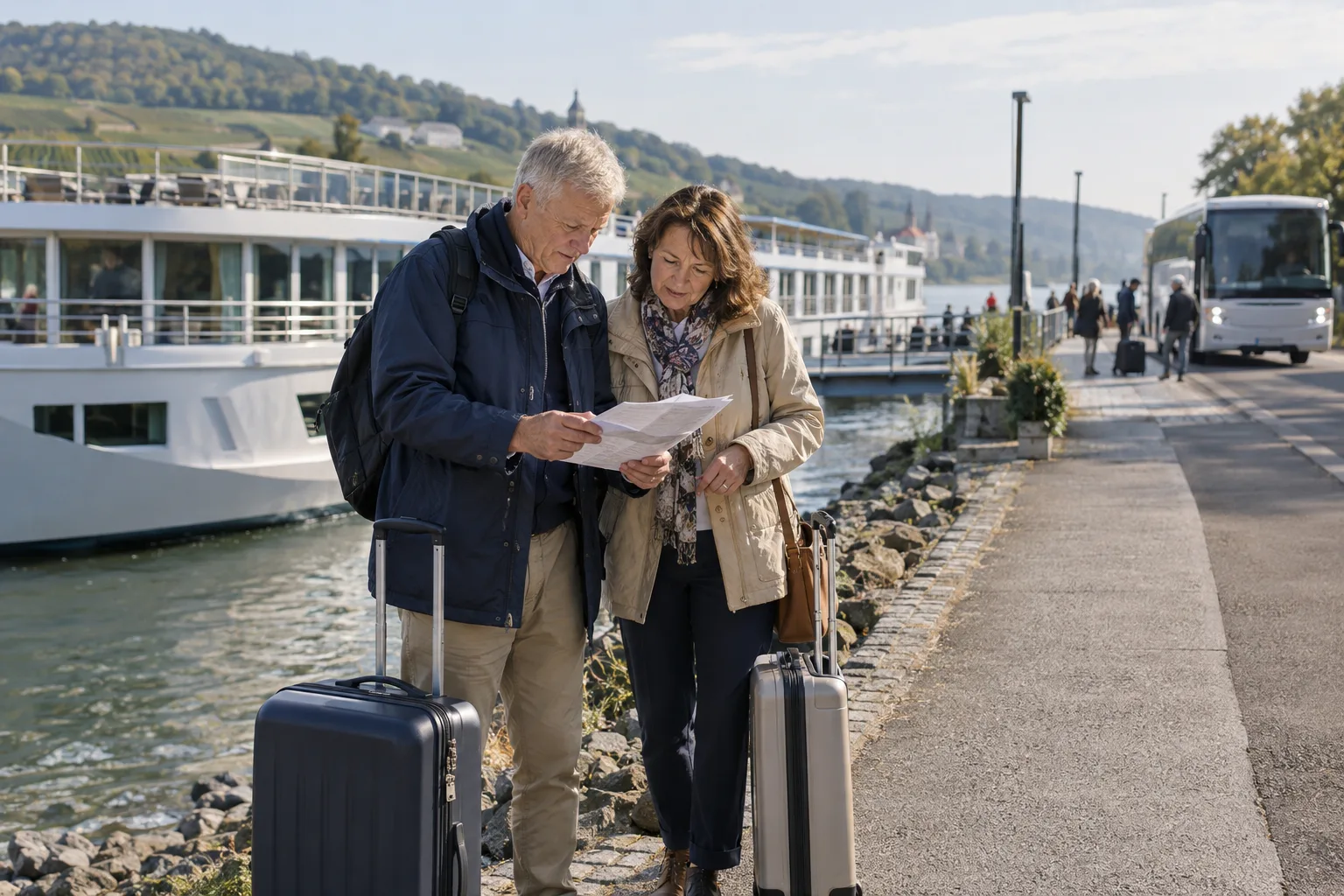
We would make the airport-to-accommodation journey the first practical task. Know where the official taxi rank is, how your booked transfer identifies passengers or which public transport route reaches your accommodation. Save the address somewhere you can access without relying on a mobile signal.
A licensed taxi is the appropriate choice if you need a cab. Airports commonly signpost official ranks, and your hotel can arrange a car. Do not assume someone approaching you in arrivals is an authorised driver simply because they sound helpful or know the names of nearby hotels.
The same principle applies to unsolicited assistance. Plenty of people genuinely want to help, but friendliness is not proof that a transport offer or request is legitimate. If an approach leaves you unsure, step away and ask at an official information desk or your accommodation reception instead.
The background
Travel creates predictable distractions. You may be checking a departure board, lifting luggage or navigating an unfamiliar ticket machine while carrying money and documents. Airports, busy attractions and transport serving airports and stations are all settings where thieves can look for those opportunities.
Keeping a wallet or passport in a back pocket makes it easier to reach without your noticing. Use a secure compartment, close your bag after paying and avoid leaving valuables loose while sorting tickets. The useful habit is consistency: give essential items a secure place rather than moving them between pockets throughout the journey.
Decide what actually needs to come out
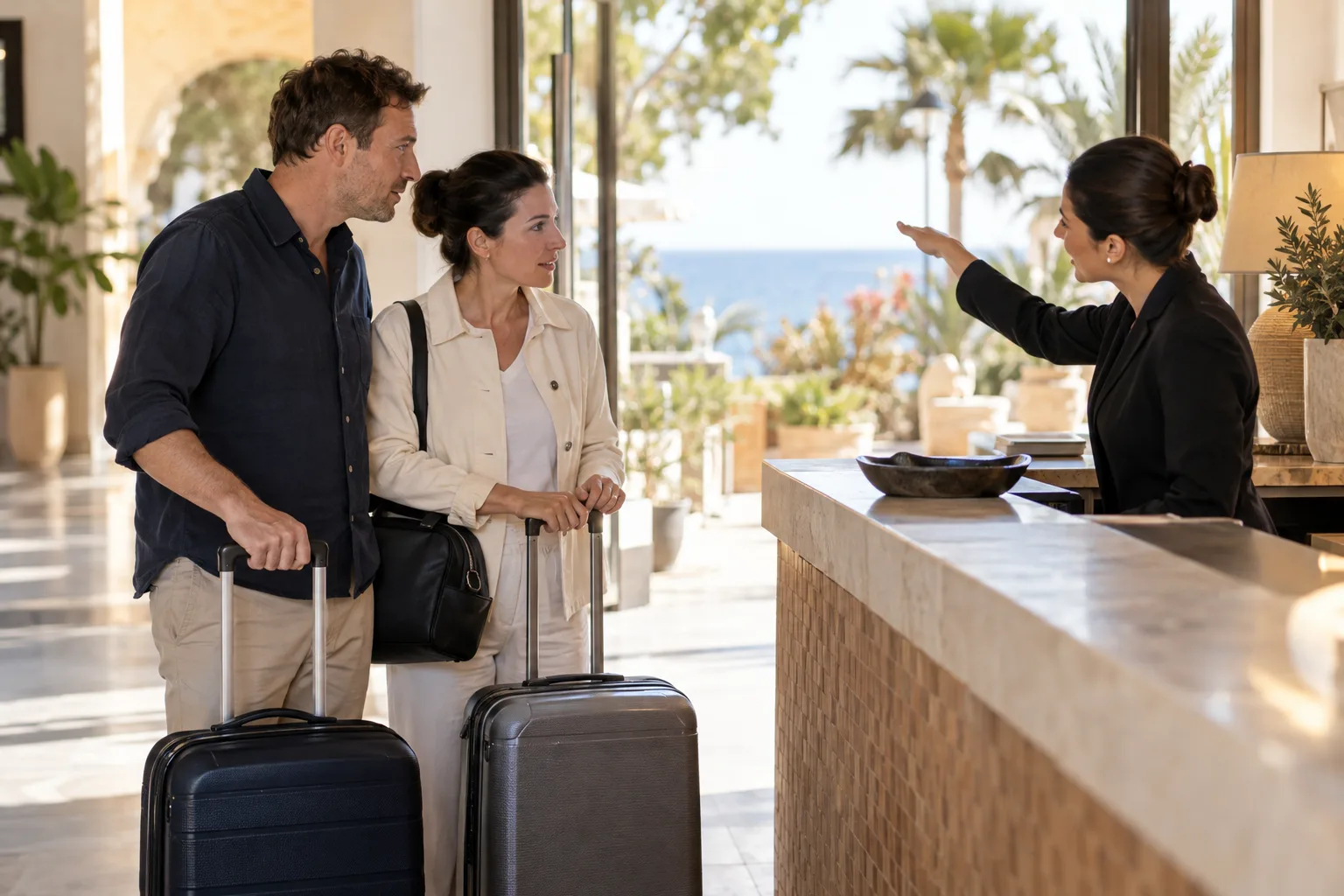
Once you reach your accommodation, reduce what you carry. Use the room safe for spare cash, cards and other valuables; if there is none, ask reception about a hotel safe. Carry enough money for the day's plans and a backup card rather than your entire holiday budget.
A safe is a sensible precaution, not a promise that every loss will be covered. Check your travel insurance wording for valuables limits, exclusions and any storage requirements. Jewellery, cash and electronics may have different conditions, so do not assume that putting everything in one place settles the insurance question.
Passports need a separate decision. Some countries require visitors to carry them, which means blanket advice to leave yours at the hotel can be wrong. Check the destination's identification requirements before deciding. A photograph or photocopy may help if the original is lost, but do not assume it satisfies a legal requirement to carry the document.
Keep document copies and useful contact details secure and accessible separately from the originals. Consider what would happen if the phone holding your booking confirmation disappeared along with your wallet. A travelling companion or a securely stored paper record can provide another route to essential information.
Safety also depends on the activity and location, not just the destination. Travellers planning nights out should check relevant local advice rather than relying on a general city guide. Our report on Istanbul gay bars after police raids illustrates why venue-specific circumstances deserve attention when planning an evening.
What people are saying
The supplied guidance contains no traveller interviews, survey findings or new incident figures. There is therefore no basis here for claiming tourists feel less safe, or that overseas holidays have become more dangerous. Its value is in identifying practical decisions travellers can make, not measuring a trend.
Our take is that advice works best when it becomes a specific arrangement. ‘Be careful getting home’ is less useful than agreeing how to return, who is travelling together and where to meet if plans change. Where possible, avoid walking back alone; arrange suitable transport before the evening leaves everyone scattered.
For groups, nominate a meeting point and make sure more than one person has the accommodation address and booking details. Solo travellers can share their plans with someone they trust and ask their accommodation about appropriate local transport. Neither approach guarantees safety, but both reduce avoidable uncertainty.
We also favour separating ordinary precautions from emergency instructions. Securing a wallet is routine housekeeping. Responding to violence requires immediate attention to what is happening around you and instructions from staff or local authorities. Treating every unfamiliar encounter as an emergency is neither useful nor a fair judgement of the people you meet.
What happens next
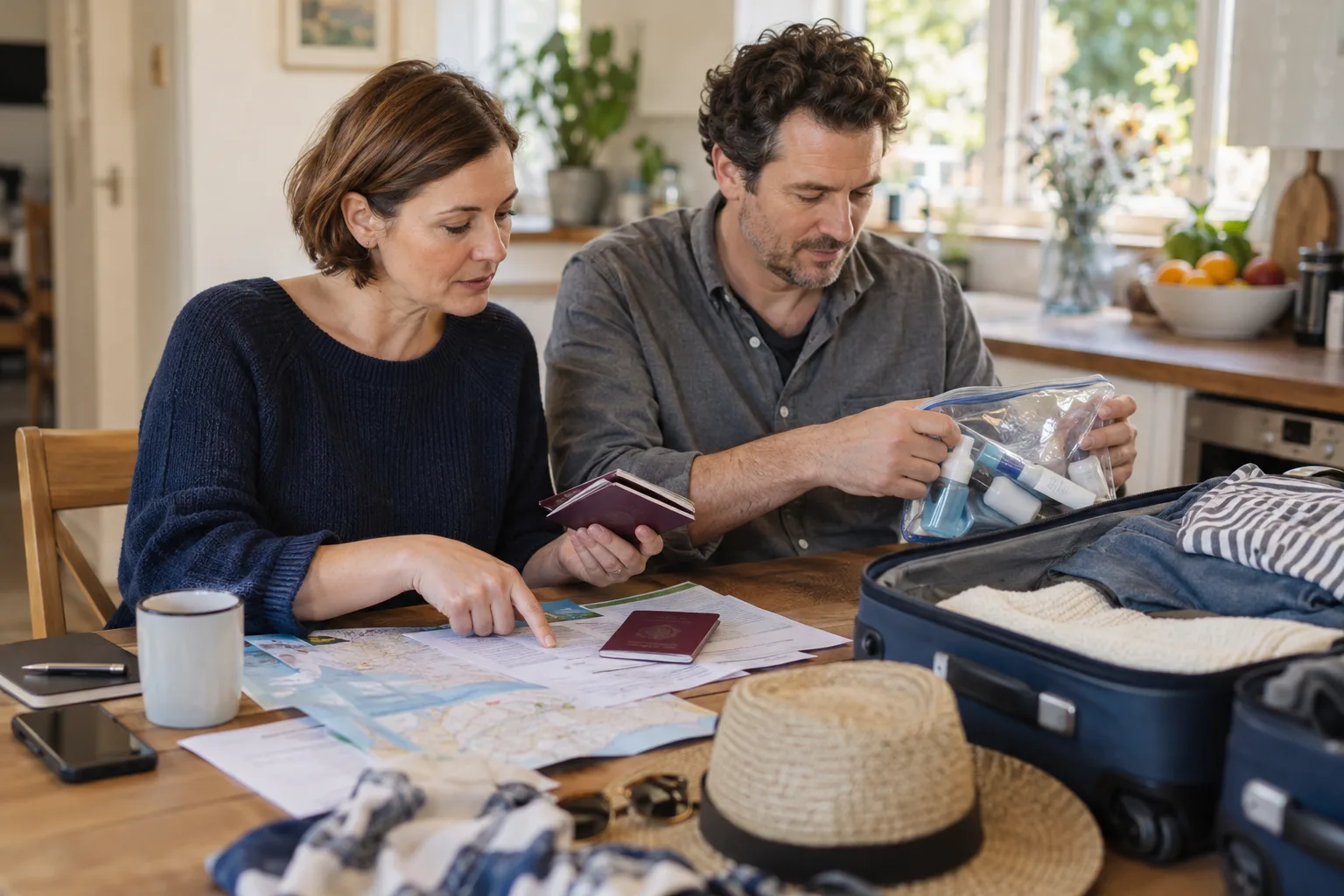
Before departure, turn the advice into a short, usable plan. Read the FCDO destination page, confirm identification rules, arrange your arrival journey and check your policy's emergency contact information. Save your accommodation and travel provider details, then make sure you can reach them if your usual phone is unavailable.
If something is stolen
Report a crime promptly to local police and your tour operator, if you have one. Ask for a report reference and retain relevant paperwork, since an insurer may request evidence. Contact your bank to block stolen cards, and speak to your insurer about the next steps rather than assuming replacement purchases will automatically be reimbursed.
If your passport is missing, consult official UK government guidance on lost or stolen passports abroad. Do not wait until the return journey to investigate your options. A document copy can help establish details, but it is not a replacement travel document and will not by itself get you home.
If there is a serious security incident
Follow instructions from staff and local authorities. For a firearms or weapons attack, the established Run, Hide, Tell guidance means escaping if there is a safe route; hiding if escape is not possible; and contacting police when it is safe. Do not stop to film or retrieve possessions. Look up the destination's emergency number before you travel so you are not searching for it under pressure.
Related: Holiday checklist: the checks to make before you travel
Related: Sustainable travel tips: what to check before you book
Related: River cruise itinerary changes: your rights and refund options
Why this matters
For UK holidaymakers, the practical benefit is less improvisation when something goes wrong. Before paying for extras, check the basics: how you will reach the hotel, where documents can be stored and what your insurance requires after a theft. Ask your accommodation about licensed transport and safe facilities rather than assuming both are available. For plans involving particular venues or communities, destination-specific reporting, such as our guide to Istanbul nightlife after police raids, can help identify questions that a general packing checklist will miss.
From Before You Book Travel · Sponsor
Plan your trip with Becky
Tell Becky where you're dreaming of and she'll come back with a personalised holiday plan. No obligation, and no call centre.
Common questions
- how can i stay safe on holiday abroad?
- Check FCDO destination advice, arrange licensed transport and keep money and documents secure. Plan your return journey after nights out, save emergency contacts and know how to reach your accommodation without relying solely on your phone.
- should i carry my passport or leave it in the hotel safe?
- Check local identification rules first, because some countries require you to carry your passport. If carrying it is not required, hotel safe storage is a sensible precaution. Do not assume a photocopy meets local legal requirements.
- how do i find a safe taxi at the airport?
- Use the airport's designated official taxi rank or a properly arranged licensed transfer. Your hotel can also arrange a licensed cab. Do not accept a lift from an unlicensed driver or assume an unsolicited approach is legitimate.
- what should i do if i get robbed on holiday?
- Report the crime promptly to local police and your tour operator, if you have one. Keep the report reference, block stolen bank cards and contact your insurer about evidence and any replacement purchases.
- what if my hotel room has no safe?
- Ask reception whether a hotel safe is available. Check your insurance policy's storage requirements for cash and valuables, and avoid carrying your entire holiday budget when you go out.
- can i fly home with a photocopy of my passport?
- A photocopy is not a replacement travel document and will not by itself get you home. If your passport is lost or stolen, consult official UK government guidance promptly rather than waiting until departure.
- what does run hide tell mean?
- Run, Hide, Tell is guidance for a firearms or weapons attack: escape if a safe route exists, hide if you cannot escape, and contact police when safe. Follow instructions from staff and local authorities.
Sources
This article was written by Before You Book using the sources listed above. Product mentions are editorial unless clearly marked as sponsored.