TrendingHoliday News
Tenerife emergency alert test: what Canary Islands visitors need to know
Tenerife will send loud test warnings to mobiles on Thursday morning as part of a volcanic drill; visitors may also receive alerts on nearby islands.
By the Before You Book Editorial Team
Published · 6 min read
Quick answerTenerife will run a volcanic emergency drill on Thursday between 9am and 2pm, sending loud ES‑Alert test messages to mobiles. Officials say it’s only a test and no action is required.
Interest in the Canary Islands is spiking as October half term approaches, and searches for Gran Canaria have jumped this week. The timing isn’t accidental: Tenerife will run a major volcanic emergency drill on Thursday morning, and the test alert could be felt beyond the island.
The Canary Islands government has confirmed it will use Spain’s ES‑Alert mobile warning system to send test messages between 9am and 2pm. With many UK schools breaking up for half term from Friday, visitors already on the islands—and those flying in mid‑week—should know what to expect if their phone suddenly screams at them on the beach.
What happened
Authorities in the Canaries will stage a full‑scale emergency exercise—called VOLCANEX Tenerife 2026—that includes three ES‑Alert messages delivered to compatible mobile phones on Thursday. Officials emphasise this is a drill only and, in their words, “There is no real volcanic emergency.”
The first message will simulate a change to the orange volcanic alert level and is due to broadcast island‑wide across Tenerife. Because of how cell broadcast coverage works, the signal may also reach parts of Gran Canaria, plus the channels between the islands, and some areas of La Palma, La Gomera and El Hierro.
A second message will model a preventive evacuation for two rural hamlets—Chirche and Aripe—in the municipality of Guía de Isora on Tenerife’s west side. That notification is targeted at Guía de Isora and Santiago del Teide, with possible spillover to sections of Adeje, Los Silos, Buenavista del Norte and El Tanque.
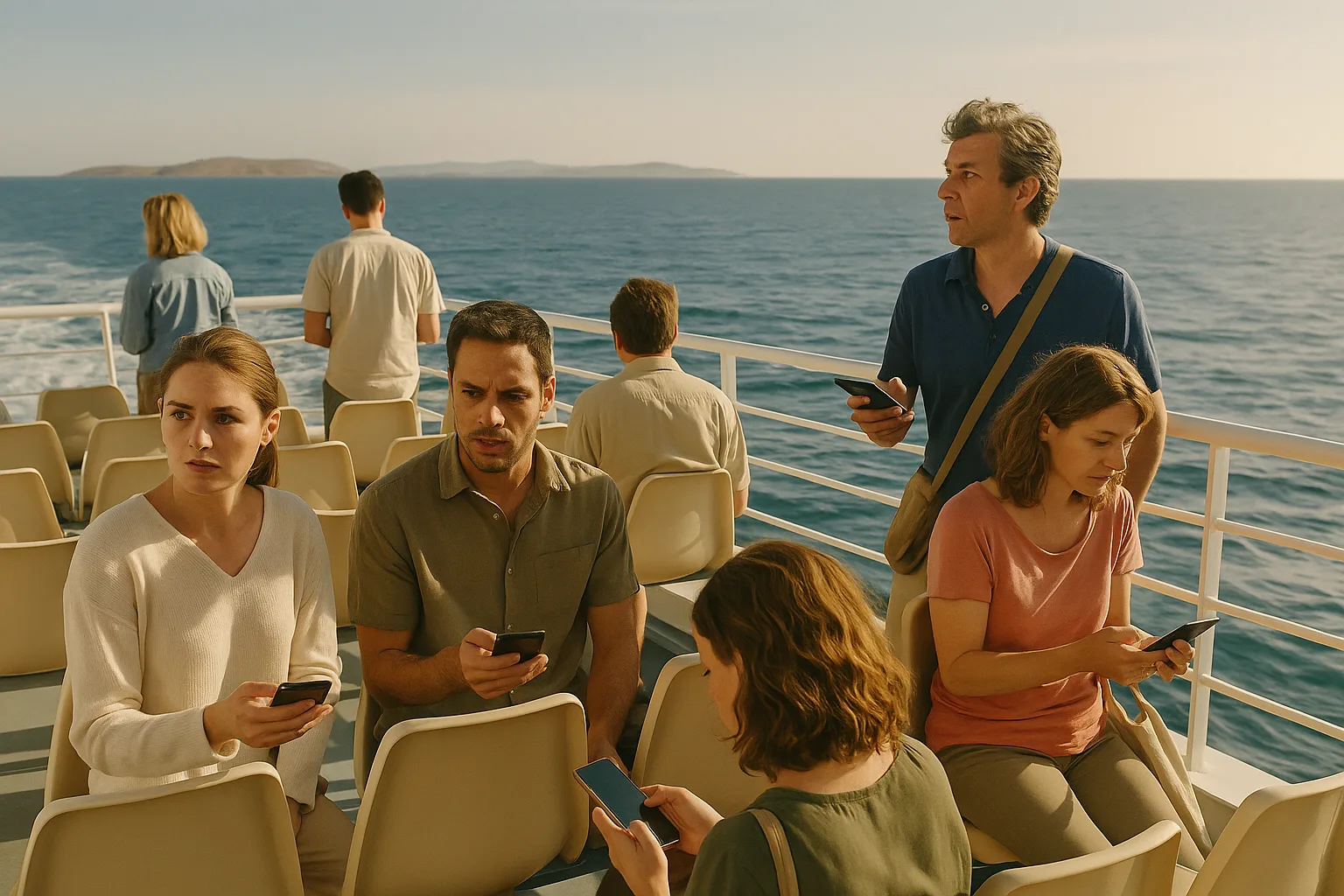
A final message will close the exercise and confirm the end of the test. All alerts will arrive with a distinctive siren‑like sound and vibration, display clearly as a test (“PRUEBA”) and can be dismissed by pressing ‘accept’ after reading.
Authorities say recipients do not need to act on the messages, and they specifically ask people not to call 112 unless they require genuine emergency assistance. Drivers who receive an alert are told to pull over somewhere safe before checking their phone.
The background
Spain’s ES‑Alert is a public warning system that sends time‑critical safety messages to mobiles using cell broadcast, a technology designed to reach phones in a defined area without needing a specific app or phone number. In Spain it can be activated for wildfires, floods, extreme heat and volcanic activity.
The Canary Islands sit on a volcanic hotspot in the Atlantic and maintain robust contingency plans. Tenerife’s Teide massif is closely monitored, and drills like this test how responders, local authorities and the public communications system would perform under pressure. The inclusion of targeted evacuation messaging for Chirche and Aripe is designed to mirror a realistic, localised response rather than a blanket island‑wide action.
Because ES‑Alert relies on cell towers and compatible devices, the geographic footprint of a test can extend beyond the main target area, which explains why phones on neighbouring islands might also chime in. For travellers, that means you could be sunbathing in southern Gran Canaria and still receive Tenerife’s test alert because of network overspill.
Half‑term timing matters: the Canary Islands are a classic autumn‑sun choice for UK families thanks to short flights, reliable warmth and established resorts. If you’re balancing pool time and school schedules, the last thing you want is to panic over a message you weren’t expecting. The drill aims to build familiarity so that, if a real incident ever occurred, locals and visitors would recognise the alert format and respond appropriately.
If you’re flying out this week, add this to your pre‑departure checks alongside travel documents, insurance and money matters. Our holiday checklist sets out the core admin to sort before you lock the front door, from medical cover to card limits.
What people are saying
Officials in the Canaries have been clear: this is a test, not a live emergency, and no one should call 112 in response to the alerts unless they need help. They also remind drivers to stop safely before looking at their phones, which mirrors standard road‑safety guidance for any urgent notification.
Seasoned travellers often stress a few practical habits for warning systems like ES‑Alert. First, keep your phone on and with roaming enabled; cell broadcast works even with data off, but keeping the device active ensures you don’t miss time‑sensitive local information. Second, read the full message before dismissing it—if one day it isn’t marked “PRUEBA,” you’ll want to follow the instructions precisely.
Tour operators typically brief reps and hotel teams ahead of planned tests so they can reassure guests. If you’re on a package and unsure, ask your rep or reception for confirmation of timings and how the hotel will handle the drill. Independent travellers should find that any resort‑level communications—noticeboards, WhatsApp groups, PA systems—echo the official line on Thursday morning.
For broader trip planning, it’s worth knowing that Spain and other Schengen countries are tightening border tech for non‑EU visitors. If you’re heading to the Canaries later in the year, our guide to how to check your EES status online explains what’s changing and how to fix common errors before you fly.
From a budget perspective, the Canaries remain one of the UK’s most reliable winter‑sun buys. If you’re comparing late‑deals against the Caribbean or Indian Ocean, start with our picks for affordable winter sun holidays to see where your money stretches further, including Spain’s islands. And if you’re timing things for peak warmth, our round‑ups of where is hot in January and December sun or a festive city break will help lock in realistic expectations for sea temperatures and daylight.
What to do if you receive the test
- Don’t panic: the alert is clearly marked as a test (“PRUEBA”).
- Read it fully, then press ‘accept’ to clear it.
- Do not call 112 unless you have a genuine emergency.
- If you’re driving, stop somewhere safe before checking your phone.
- If you’re unsure, ask your hotel or rep to confirm it relates to Thursday’s drill.
What happens next
The drill runs 9am–2pm Thursday, with three messages from island‑wide alerting to a targeted evacuation simulation and a final all‑clear. After the exercise, authorities will evaluate how the notifications performed—reach, clarity and timing—and how well on‑the‑ground teams coordinated.
For travellers, there should be no disruption to flights, ferries or attractions linked to the test itself. Beaches, hotels and excursions are expected to operate as normal. If you’re out hiking around Teide or driving the TF‑1/TF‑5 during the window, the only practical change is the possibility of your phone sounding unexpectedly; take care to pull over safely before engaging with any alert.
Looking beyond Thursday, the benefit is straightforward: the stronger the public warning system, the safer the destination feels for families and first‑timers as well as regulars. With interest in the Canaries running high for late‑autumn and winter bookings, a transparent, well‑signposted test builds confidence without impacting holidays.
We rate Tenerife and its neighbours as smart shoulder‑season choices for British travellers—good value, easy flights, varied landscapes and plenty for kids. If you’re booking now, confirm your travel insurance covers volcanic disruption as standard alongside the usual medical and cancellation cover; many mainstream policies do, but it’s always worth checking the wording carefully before you pay.
Why this matters
If you’re heading to Tenerife or nearby islands this week, expect a loud test alert on Thursday morning and don’t mistake it for a real emergency. Knowing the drill means less stress poolside and safer driving if your phone goes off. Before you go, run through our practical holiday checklist and confirm your insurance covers disruption, so a two‑minute test doesn’t become a five‑minute panic.
From Before You Book Travel · Sponsor
Plan your trip with Becky
Tell Becky where you're dreaming of and she'll come back with a personalised holiday plan. No obligation, and no call centre.
Common questions
- what is the tenerife emergency alert on thursday
- It’s a scheduled ES‑Alert test during a volcanic emergency drill, running 9am–2pm. You’ll hear a loud tone; read the message, press accept, and take no action.
- will phones on gran canaria get the tenerife test alert
- They might. The signal can spill over to parts of Gran Canaria and even La Palma, La Gomera and El Hierro, depending on cell coverage.
- what will the emergency messages in tenerife say
- There are three: an alert‑level change, a simulated evacuation for Chirche and Aripe in Guía de Isora, and a final all‑clear.
- should i call 112 if i get the canary islands alert
- No. Officials say it’s a test only. Do not call 112 unless you have a genuine emergency requiring assistance.
- what should drivers do if the alert sounds in tenerife
- Pull over somewhere safe before checking your phone. Read the message, press accept, and continue your journey.
- will the tenerife alert affect flights or holidays
- No. It’s a messaging test and should not impact flights, ferries, hotels or excursions. Usual activities continue as normal.
- how will i recognise the test alert in spain
- Your phone will sound a loud tone and vibrate, and the message will be marked “PRUEBA,” indicating it’s a test.
- which areas are in the evacuation simulation in tenerife
- Chirche and Aripe in Guía de Isora are the focus, with notifications also targeting Guía de Isora and Santiago del Teide.
Sources
This article was written by Before You Book using the sources listed above. Product mentions are editorial unless clearly marked as sponsored.