Holiday News
Maldives travel advice update: swimming safety and flights
UK guidance now flags stronger swimming safety advice, with possible knock-on flight disruption via Middle Eastern hubs.
By the Before You Book Editorial Team
Published · Updated · 6 min read
Quick answerThe FCDO has updated its Maldives advice, highlighting swimming safety. It also warns that Middle East disruption may affect flight routes and connections to Malé.
The UK’s latest travel advice for the Maldives has sharpened its focus on swimming safety and flagged the chance of knock-on flight disruption caused by events in the Middle East. If you’re heading for overwater villas and lagoon days, the message is to check sea conditions locally and keep a close watch on your flight plans and insurance.
We rate the Maldives for stress-free winter sun, but this is an ocean nation with powerful currents and limited on-island services. Add the possibility of diverted or delayed flights on popular Middle Eastern routings, and a little planning goes a long way.
What happened
UK officials updated their guidance for the Maldives on 12 August 2026, adding fresh detail around swimming safety. They also cautioned that airspace closures and delays linked to the Middle East could affect routes to and from Malé, even if you’re not stopping in the region. In short: double-check your connections and allow extra time for changes.
The advice urges travellers to keep tabs on airline alerts and tour operator updates, and to review insurance to be sure missed connections or enforced stopovers are covered. That’s sensible even on straightforward itineraries via hubs such as Doha, Dubai or Abu Dhabi, but it’s essential during wider regional disruption. If your trip relies on a tight connection to catch a seaplane or speedboat transfer at the Maldivian end, build in breathing space.
Authorities also publish a tourism hotline for in-country help: +960 942 3131. Save it in your phone, alongside your resort contacts and transfer desk numbers.
The background
The Maldives is an archipelago built for boat and seaplane travel. Most visitors connect in the region before flying into Malé, then continue by resort speedboat or a short seaplane hop. That last leg runs to fixed schedules in daylight hours only, so any upstream delay can strand you in Malé overnight. We recommend padding connection times and clarifying your resort’s policy on missed transfers before you book. If you’re using points or mixing tickets, our guide to Amex Membership Rewards: best ways to earn and use points explains how to keep itineraries flexible.
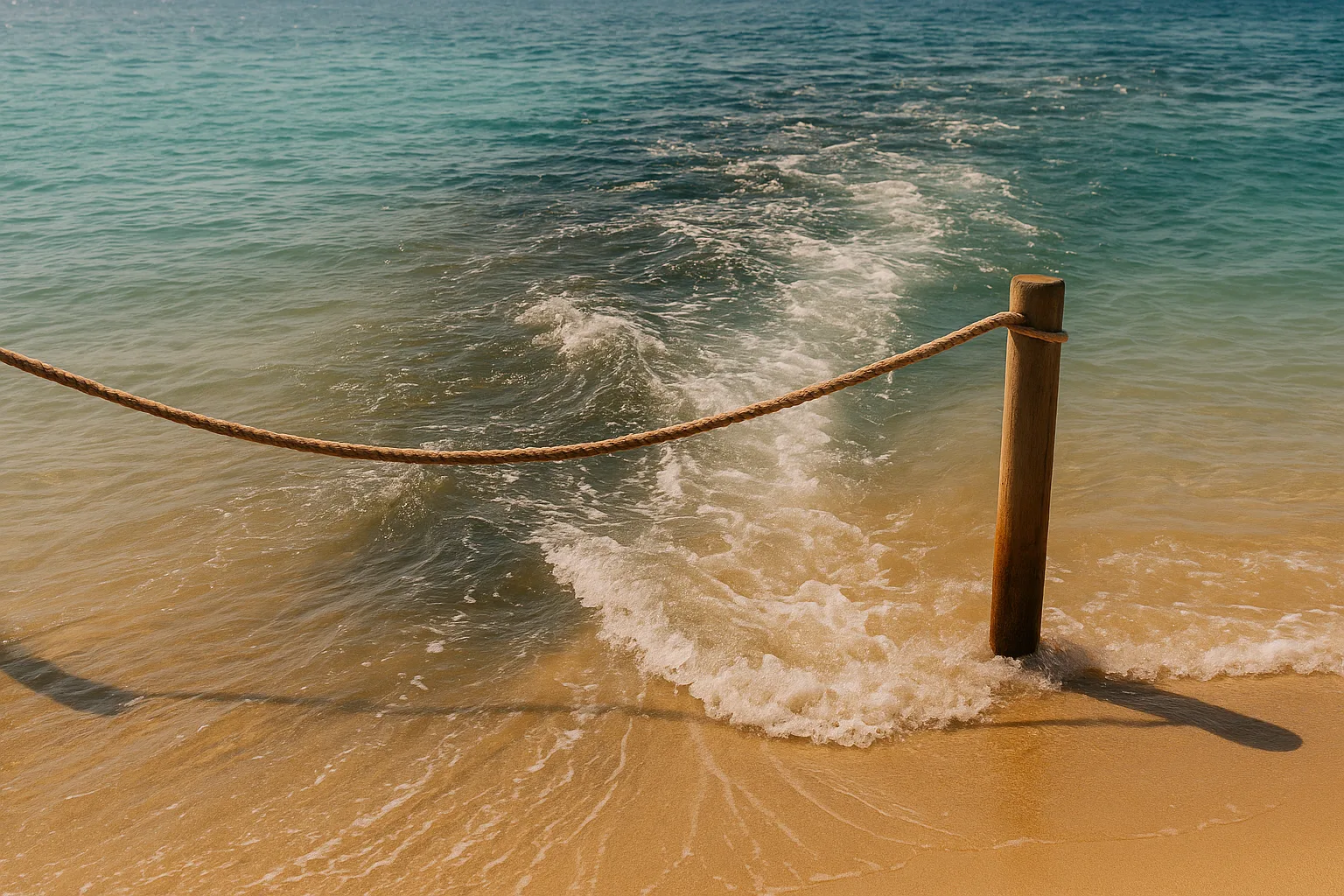
Swimming and snorkelling are big draws, but ocean conditions change quickly. International guidance notes that strong currents are common and that drownings occur each year, including on resort beaches. Resorts vary in whether lifeguards are present; many rely on flags and briefings. Ask staff where the safest entry points are, how tides affect the house reef, and what to avoid in monsoon periods. We also rate a simple buddy rule and a surface marker buoy if you’re venturing off the beach.
Diving standards differ by operator. Foreign advisories record diving injuries linked to poor kit and lax procedures, and note fatal accidents at whale shark sites in South Ari Atoll. Choose centres with recognised certifications, check maintenance logs, and be honest about recent dive frequency for proper weighting and refreshers. If you’re planning channel dives or deep sites, ask detailed questions about current strength, drift procedures and boat cover. It’s your safety briefing—use it.
On land, petty theft can happen in busier areas such as Malé and Hulhumalé. Keep passports and valuables locked away, and be cautious with cards: skimming and ATM fraud are reported. Use machines inside banks or reputable hotels, cover your PIN and scan statements for rogue charges. For wider prep, our Holiday checklist: the checks to make before you travel remains a solid pre-departure run-through.
Officials also cite a terrorism threat and occasional demonstrations, especially in the capital. Tourists rarely linger in Malé beyond transfers, but if you do explore, stay aware of your surroundings, avoid protests and follow local advice. Evening ferries and streets can feel crowded; plan routes in daylight and keep belongings close.
The global picture matters for your route. Many UK travellers transit Middle Eastern hubs for schedules and fares. When regional airspace is curtailed, airlines can reroute or retime flights, pushing connections outside seaplane hours or triggering crew-duty limits. Check your booking class and ticket type—split tickets carry more risk for missed connections. Our take: where budgets allow, a through-ticket to Malé with protected connections is worth it.
Weather can amplify sea risks. International briefings flag that oceanic patterns such as El Niño can influence conditions and that rips are a persistent hazard. Even when the lagoon looks flat, channels near reef edges can run fast. Fins, a snorkel vest and conservative judgement beat bravado every time.
Maldivian islands are low-lying with minimal road networks; emergency response can be slower than at home. Verify that your policy covers speedboat or seaplane medical evacuation and recreation like diving or kitesurfing. If you’re not sure, upgrade now—our guide to Safety abroad: the holiday checks worth making before you go explains the fine print to look for.
What people are saying
The official line is pragmatic. The UK government warns of “widespread travel disruption” linked to the Middle East and urges travellers to monitor airline and tour operator updates. We agree and would add: sign up for carrier app alerts and WhatsApp your resort if your inbound flight slips.
Seasoned Indian Ocean travellers highlight three recurring mistakes: underestimating currents on postcard-perfect sandbars, booking the last seaplane of the day after a tight connection, and assuming every dive centre works to the same standards. A five-minute chat with the watersports team about tides and a 24-hour safety stop in Malé after a long-haul inbound can remove most of the stress.
Security specialists consistently note that most crime affecting visitors is opportunistic—think unattended bags on the beach or phones left charging in public areas. In the capital, they advise steering clear of large gatherings and sticking to well-lit routes. It’s basic city sense, which applies just as well to a Dubai stopover checklist if you’re connecting through the Gulf.
Diving and whale shark briefings increasingly stress rules around boat spacing, entry numbers and no-touch wildlife interactions. Ask how your operator manages crowds at popular sites and what safety gear is on board. If the answers feel vague, switch boats—there’s plenty of choice.
For the budget-conscious, travellers suggest building flexibility into plans rather than cutting corners on protection. A through-ticket and a night in a mid-range Malé or Hulhumalé hotel can cost less than rebooking a missed seaplane and losing a day at your resort. If you’re still shopping around, our guide to Affordable winter sun holidays: where your money goes further compares options when Maldives rates spike.
What happens next
Expect airlines to keep tweaking schedules if regional airspace remains constrained. If your itinerary changes, contact your resort early to rebook transfers—seaplane slots are finite. Keep boarding passes and delay notifications for any insurance claim, and photograph resort receipts if you incur extra costs.
In the water, treat red flags and staff briefings as non-negotiable. Snorkel within your comfort zone, stay within marked areas, and avoid channels or exposed reef edges when currents are running. For divers, verify oxygen on board, surface cover and emergency plans before every trip, and consider a refresher if it’s been a while.
In Malé, demonstrations can pop up with little notice. If you have time to explore, go early, dress modestly, and leave passports in your hotel safe with copies on your phone. Use accredited taxis or hotel transfers, and keep cash and cards secure. If you need assistance, the Maldivian tourism hotline is +960 942 3131.
Finally, audit your insurance today. Confirm cover for missed connections outside the UK, alternative routings via different hubs, and evacuations from remote islands. If you’re building an itinerary with points or mixing carriers, document everything and keep all bookings on one app where possible. A few admin steps now can preserve the laid-back island mood you’re flying out for.
Related: Nepal travel advice after 2026 floods: what UK travellers need
Related: Papua New Guinea travel advice updated: what UK visitors need to know
Why this matters
The Maldives remains a dream trip, but currents, limited lifeguard cover and tight transfer windows mean planning matters. Check airline alerts, allow slack for seaplane cut-offs, and make sure insurance covers missed connections and water sports. Ask your resort about safe swim spots and briefings before getting in. For broader prep, see our Holiday checklist: the checks to make before you travel (/article/holiday-checklist-the-checks-to-make-before-you-travel).
From Before You Book Travel · Sponsor
Plan your trip with Becky
Tell Becky where you're dreaming of and she'll come back with a personalised holiday plan. No obligation, and no call centre.
Common questions
- is it safe to swim in the maldives right now
- Yes, but currents can be strong and drownings occur each year. Ask your resort about hazards, obey flags and stay within advised areas.
- are maldives flights affected by the middle east situation
- They can be. UK officials warn regional disruption may delay or reroute flights to Malé, so monitor airline updates and allow extra connection time.
- do maldives seaplanes run after dark
- No. Seaplane services operate in daylight hours only, so late long-haul delays can force an overnight in Malé or a next-day transfer.
- is there a terrorism risk in the maldives
- Yes. Foreign advisories note a terrorism threat, with Malé the most likely focus. Stay aware, avoid large gatherings and follow local advice.
- how common is petty crime in the maldives
- Petty theft and card fraud occur, especially in Malé and Hulhumalé. Keep valuables secure, use ATMs in banks or hotels, and watch for skimming.
- is diving in the maldives safe for beginners
- It can be, with reputable operators. Officials report injuries and some fatal incidents; choose certified centres and take refreshers if needed.
- who do i call for tourism help in the maldives
- Use the Maldivian Ministry of Tourism hotline on +960 942 3131 for assistance while in country.
- what insurance do i need for a maldives trip
- Get cover for missed connections, flight delays, seaplane or speedboat transfers, and water sports including diving and snorkelling.
Sources
- GOV.UK Foreign Travel Advice: Maldives travel advice - GOV.UK
- travel.gc.ca: Maldives travel advice
- GOV.UK Foreign Travel Advice: Kiribati travel advice - GOV.UK
This article was written by Before You Book using the sources listed above. Product mentions are editorial unless clearly marked as sponsored.