Where to Go
Things to do in La Rioja: wine, walks and where to stay
Why La Rioja deserves a place on your Spain list now — and how to do it well.
By the Before You Book Editorial Team
Published · Updated · 6 min read
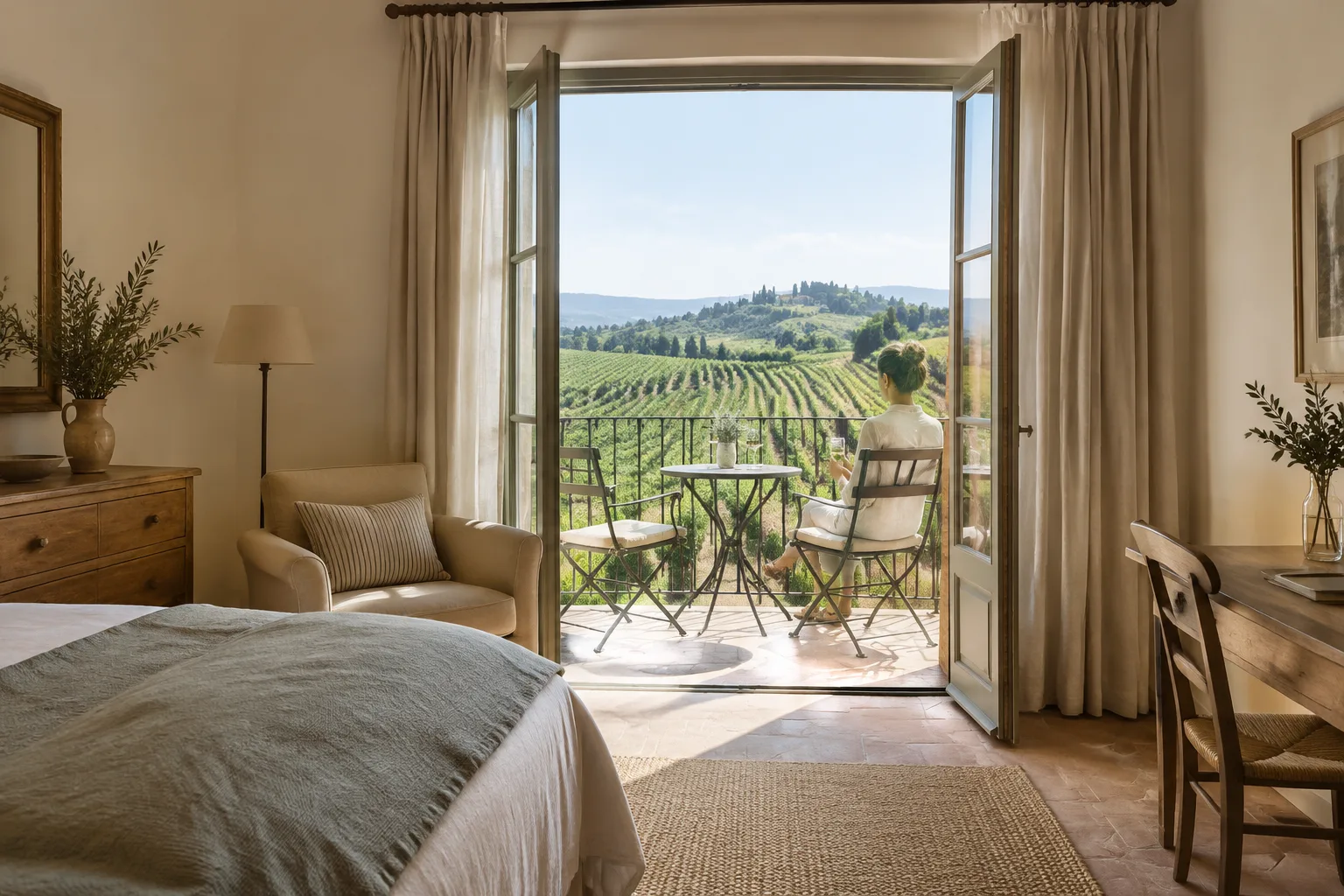
Quick answerLa Rioja in northern Spain pairs world‑class Rioja wine with monasteries, mountain walks and excellent tapas in Logroño. We rate it for long weekends and low‑key gourmet breaks, especially outside peak summer.
If you’ve done Barcelona and the Balearics and want Spain with more flavour and fewer crowds, head for La Rioja. This trim northern region blends serious wine credentials with monastery calm, mountain air and some of the country’s most satisfying tapas streets.
We rate La Rioja for three- to five‑day trips where the plan is simple: graze through Logroño’s old town, tour traditional and cutting‑edge bodegas, and slip away to quiet valleys for walks between pine forests and high meadows. Here’s how to make it sing.
What happened
La Rioja has been steadily edging onto British itineraries as travellers pivot beyond Spain’s headline coasts and cities. The wine is the lure, of course, but the region’s appeal runs wider: concentrated clusters of bodegas for easy tastings, UNESCO‑listed monasteries, modern landmark architecture and protected landscapes that reward unhurried exploring.
Logroño, the compact capital, anchors most trips. Its medieval lanes pack an outsized number of pintxo bars, with Calle del Laurel and Calle San Juan the twin spines for an evening crawl. Order small and often; each bar tends to specialise, and the fun is in hopping.
Haro, to the north‑west, is the other obvious stop. The town’s Station Quarter grew around the railway, which helped Rioja boom; today, famous names still cluster within walking distance, making it one of Spain’s easiest places to taste across styles in a single afternoon.
Beyond the bottles, the Monasteries of San Millán — Yuso and the older hillside Suso — are recognised by UNESCO for their cultural significance. Set among folds of green, they show another, more contemplative side to the region.
Out in the countryside, the Sierra de Cebollera Natural Park folds together spruce and beech forests, clear rivers and wildlife from red deer to raptors. Trails range from family‑friendly rambles to longer ridge walks, all a short hop from cellar doors.
The background
Where is it and how is it set up? La Rioja sits south of the River Ebro, bordered by the Basque Country and Navarre. The wider Rioja wine denomination is traditionally split into three zones — Rioja Alta, Rioja Alavesa and Rioja Oriental — which deliver subtly different expressions, from firmer, age‑worthy reds to brighter, earlier‑drinking styles.
Logroño makes a handy base, with sights, dining and day‑trip options radiating in all directions. We like it for short breaks when you want to park the car and walk to dinner. Haro works for wine‑first itineraries, with tasting rooms lined up close together.
Architecture fans should detour to the eye‑catching complex at Marqués de Riscal, whose hotel is a Frank Gehry design set amid vines. It’s a statement piece that underlines how Rioja blends heritage with modern ambition — and it makes a memorable overnight if you’re marking an occasion.
Several smaller towns reward slow wandering. Ezcaray is known for handsome stone houses and a gentle, outdoorsy rhythm; Navarrete (a ceramics centre), Calahorra (with Roman roots) and hilltop Cornago show off the region’s layers of history in compact, walkable packages.
Museums? The Vivanco Museum of Wine Culture in Briones digs deeper than grape‑to‑glass. Across roughly 9,000 square metres and six permanent rooms, it treats wine as craft, agriculture and art, with a Bacchus Garden showcasing more than 220 grape varieties from around the world.
Nature lovers shouldn’t miss the glacial‑carved Lagoons of Neila just over the provincial line, a protected area famous for its string of mirrored pools such as Laguna Negra, Cascada and Tejera. Closer by, Las Calderas Gorge threads waterfalls, swim‑able pools and eroded rock bowls into a superb half‑day hike.
On the food front, La Rioja punches above its weight. In Daroca de Rioja, tiny Venta Moncalvillo holds two Michelin stars, cooking hyper‑seasonal menus grounded in its own kitchen garden. Across the region, asadores (grill houses) turn out pitch‑perfect chuletillas (lamb cutlets) and vegetables cooked over vine cuttings.
When to go? Spring and autumn are sweet spots for mellow temperatures, harvest atmosphere and golden vineyard light. Summer brings festivals and longer evenings but also more heat. Winter is quiet, good for cellar tours, hearty stews and value stays.
Getting there is simple via Bilbao or Zaragoza airports, followed by a 1.5–2‑hour drive to Logroño. For flight‑planning tips, see our guide to new winter routes from UK airports and check schedules outside school holidays for the best fares. If you’re collecting points, our Avios guide to status and transfers can help you squeeze more from a long weekend.
What people are saying
Ask sommeliers and you’ll hear the same refrain: base yourself where tastings are walkable, book marquee winery tours early, and balance big‑name visits with smaller, family‑run bodegas to get a feel for tradition and experimentation.
Seasoned Spain hands recommend mastering the tapas rhythm in Logroño: hit Calle Laurel before 10pm, order a speciality at each stop, and stand at the bar — it’s faster and more fun. “One dish, one drink, move on” is an easy rule of thumb.
Hikers point out how quickly you can change scene here. A morning among barrels can turn into an afternoon loop through beech forests in the Sierra de Cebollera, with a fair chance of spotting deer and birds of prey if you keep quiet and scan the treeline.
Architecture buffs argue that La Rioja rivals better‑known design trails: from Romanesque touches at Suso to Gehry’s shimmering hotel, plus sleek contemporary wineries hidden among vines. Photographers should carry a polarising filter — vineyard colours pop in autumn and after rain.
Budget‑watchers flag that winery tastings now often carry a fee, but pours are generous and usually offset by fewer taxi miles when you concentrate visits in Haro’s Station Quarter. For overall trip costs, factor in Spain’s local levies with our explainer on tourist taxes in 2026.
Families who enjoy the outdoors rate picnic‑friendly walks around the Neila lagoons and the gentler stretches of Las Calderas Gorge, then swapping to early‑evening pinchos in Logroño before younger travellers fade.
What happens next
Visitor interest in northern Spain continues to spread inland, and we expect La Rioja to benefit as travellers seek shorter drives, better value and richer food‑and‑nature combinations. Book central Logroño rooms and well‑known winery tours a few weeks ahead in spring and autumn; high‑demand weekends sell out sooner during harvest.
Plan your days with contrast in mind: a morning cellar tour, a long lunch, then a late‑afternoon monastery or village wander before a tapas crawl. Pre‑book tastings at headline bodegas; leave space for one or two spontaneous drop‑ins at smaller producers.
Drivers should pick a designated spitter and keep tastings measured, or base in Haro/Logroño and use taxis for winery hops. If you’re hiring a car, double‑check fuel policies and insurance excesses — our advice on travel insurance essentials for tricky trips is a good refresher when adding rental‑car cover.
Keep an eye on Spain‑wide travel updates before you go; rail or road incidents occasionally ripple across the network, and our piece on Spain travel advice after a rail crash explains how to monitor official guidance.
Finally, build in at least one non‑wine day. Head for the Sierra de Cebollera, loop the Neila lagoons, or simply idle between Ezcaray’s cafés. You’ll return to the glass with a clearer head — and that, in Rioja, is half the point.
Related: St Kitts travel guide: where to go and what to do now
Related: Maldives interest spikes as Philippines named top island country
Related: Where was Rivals filmed? Cotswolds, Bristol and beyond
Why this matters
La Rioja is an easy, great‑value Spain add for UK travellers who like food, wine and walks without crowds. Book Logroño or Haro as a base, pre‑reserve marquee winery tours and restaurants, and plan a car‑light itinerary. Check local taxes and Spain travel updates; our guide to tourist taxes in 2026 covers what you’ll pay.
From Before You Book Travel · Sponsor
Plan your trip with Becky
Tell Becky where you're dreaming of and she'll come back with a personalised holiday plan. No obligation, and no call centre.
Common questions
- where is la rioja in spain
- La Rioja sits in northern Spain, south of the River Ebro, between the Basque Country and Navarre, with Logroño as its capital.
- what are the best things to do in la rioja
- Taste in Haro’s Station Quarter, tapas‑hop in Logroño, tour the Vivanco wine museum, visit UNESCO‑listed Yuso and Suso monasteries, and hike Sierra de Cebollera.
- when is the best time to visit la rioja
- Spring and autumn offer mellow temperatures, harvest vibes and golden vineyard light. Summer is hotter and busier; winter is quiet and good value.
- do i need a car to visit la rioja wineries
- A car helps for rural sites, but Haro and Logroño allow multiple tastings on foot or by short taxi rides. Always plan a designated driver or spit.
- where should i stay in la rioja for a weekend
- Stay in Logroño for tapas and easy day trips, or Haro for walkable winery visits. Design fans can splurge at the Gehry‑designed hotel at Marqués de Riscal.
- are there good hikes in la rioja
- Yes. Sierra de Cebollera has forest and ridge routes with wildlife. Las Calderas Gorge and the Neila lagoons offer scenic half‑day walks.
- is there a good wine museum in la rioja
- Yes. The Vivanco Museum of Wine Culture in Briones spans about 9,000 m² with six permanent rooms and a garden of 220+ grape varieties.
- are there michelin star restaurants in la rioja
- Yes. Venta Moncalvillo in Daroca de Rioja holds two Michelin stars, serving hyper‑seasonal menus grounded in its own garden produce.
Sources
- ABTA: Things to do in La Rioja | ABTA
- newinzurich.com: La Rioja Spain Travel Guide: Wine, Food & Things to Do
This article was written by Before You Book using the sources listed above. Product mentions are editorial unless clearly marked as sponsored.