Where to Go
Alentejo, Portugal road trip: white towns, talha wine and big skies
Portugal’s Alentejo rewards a slow road trip with vineyard stays, medieval towns and Europe’s largest artificial lake — without the Algarve crowds.
By the Before You Book Editorial Team
Published · Updated · 6 min read
Quick answerHead south from Lisbon for an Alentejo road trip of whitewashed hill towns, talha‑aged wines and empty horizons. We rate Évora, Monsaraz, Lake Alqueva and Marvão for a slow, crowd‑free circuit.
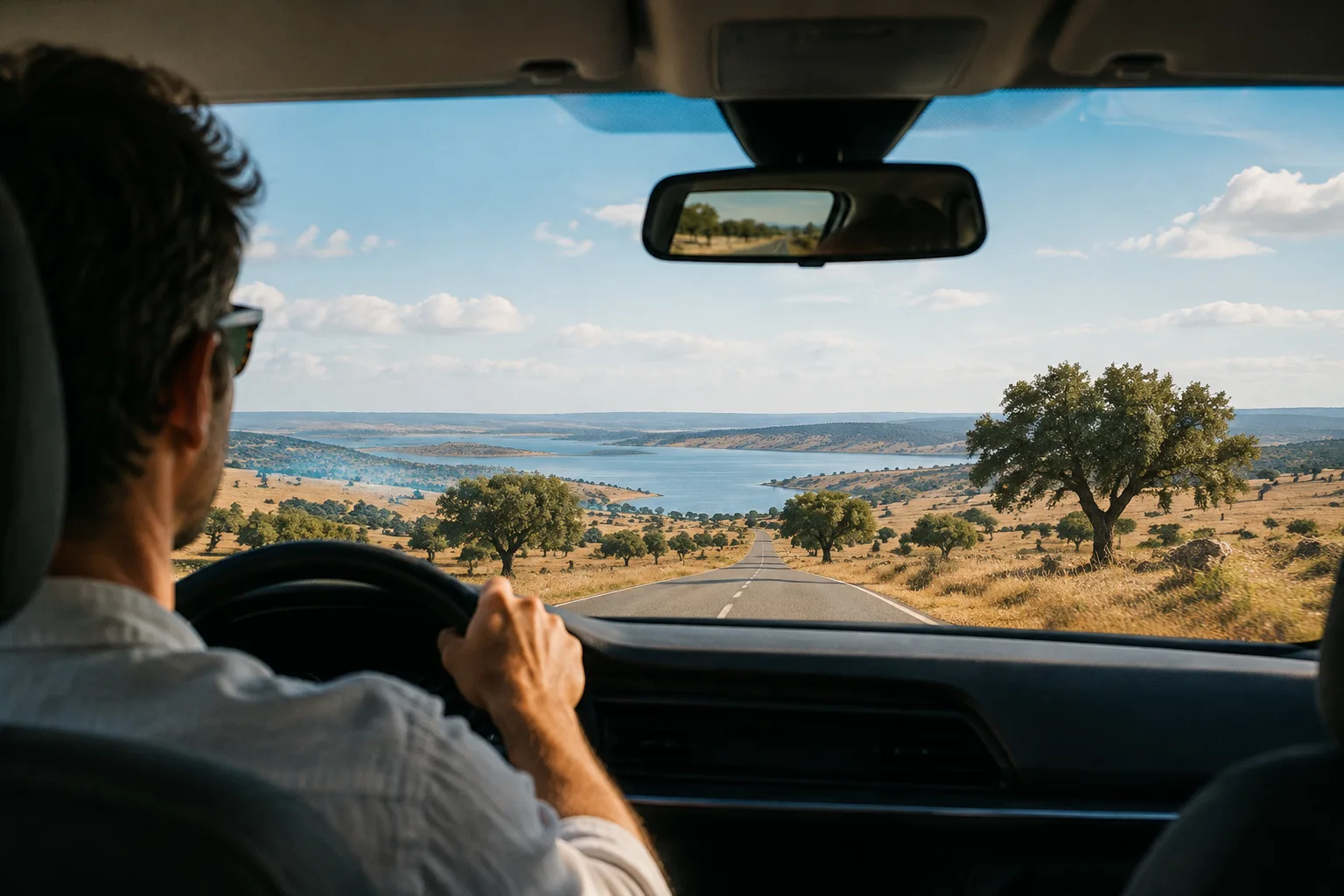
Drive an hour or two south of Lisbon and Portugal changes gear. Traffic peters out, cork oaks dot tawny fields, and low, white villages blink in and out of view. This is the Alentejo: big‑sky country of olive groves, talha‑aged wines and medieval ramparts, with the time and space to enjoy them.
We rate it as Portugal’s best slow‑travel circuit right now — the antithesis of a checklist trip. Come for vineyard hotels, long lunches and short drives between characterful towns: Évora, Monsaraz, a boat day on Lake Alqueva and a finale among Marvão’s eagle‑perch walls.
What happened
The Alentejo is stepping into the spotlight for UK travellers seeking Portugal without the Algarve scrum. The region covers about a third of the country but only a small fraction of its people, which translates to quiet roads and roomy itineraries. Inland, olive and cork estates roll towards schist‑built towns; out west, the same region meets the Atlantic in a wilder run of coast.
Food and wine are the clearest calling cards. Traditional talha winemaking — fermenting in vast clay vessels — still thrives, and producers now mix heritage with experimentation. One sizeable estate near Reguengos de Monsaraz farms dozens of grape varieties and has even aged tens of thousands of bottles underwater in a reservoir about 30 metres down. At the other end of the spectrum, a young winemaker runs a compact talha cellar where grapes and clay do most of the talking.
Architecturally minded travellers get a two‑for‑one: Roman stones and medieval walls reworked over centuries into whitewashed towns, plus a wave of imaginative re‑use. A former cereal mill has been turned into a design‑led lodge and open‑fire restaurant that keeps the grain‑age bones on show; in Reguengos, an old blanket factory now produces contemporary textiles on handlooms.
Then there’s water. The Alqueva Dam created Europe’s largest artificial lake, a blue expanse with beaches, marinas and island‑flecked views that contrast sharply with the honeyed plains. Hire a small boat for a picnic and a swim, then stay after dark: the wider area is recognised for superb stargazing thanks to low light pollution.
The background
Cork, olives, wine, bread and pork are not just produce here; they’re the edible history of a landscape shaped by Romans, Moorish rule and later Christian kingdoms. You’ll see that mix in everything from the schist lanes of Monsaraz to Évora’s tiled façades and convent courtyards. UNESCO listed Évora’s historic centre in 1986, noting its layered urban fabric — a rare chance to wander through eras in a few streets.
Talha wine is the region’s signature. Long before stainless steel, households made wine in giant clay jars sealed with olive oil and resin. Some adegas still do, releasing aromatic whites and amber‑toned field blends that pair naturally with Alentejo cooking: migas (garlic‑rich bread panade), slow pork, tomato‑laced stews and sharp sheep’s cheeses. Expect restaurants that split along two lines: crisp, forward‑looking kitchens riffing on tradition, and institutions that still wheel out linen, silver and the classics.
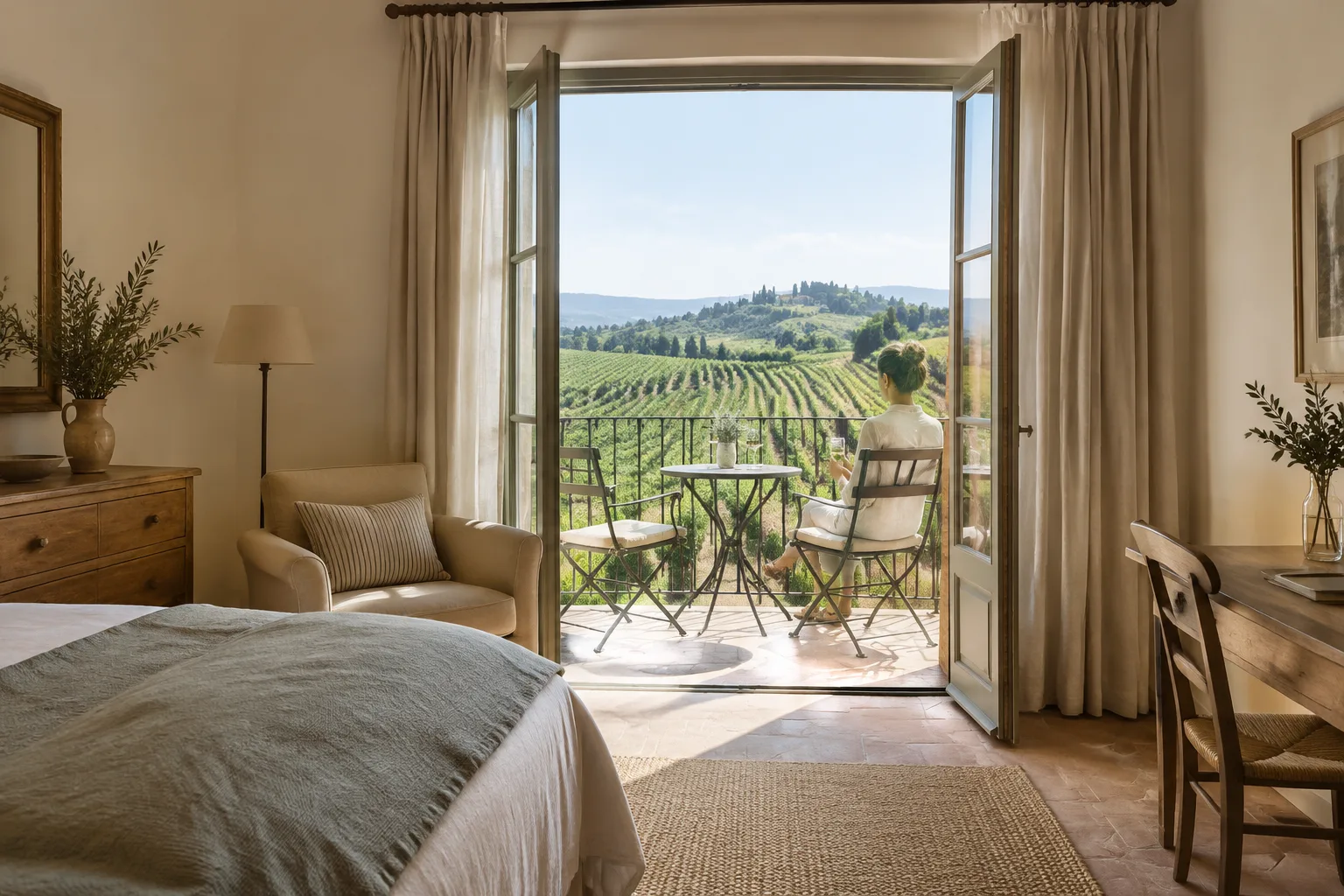
The accommodation scene mirrors that balance. Vineyard hotels frame pools with rows of vines and set olive‑oil tastings beside stone presses. One standout estate near Monsaraz layers bougainvillea and waterways around white‑and‑blue buildings for a glossy take on rural life; another, outside Monsaraz, couples ancient olive trees with clean, earthy design for a more elemental stay. Both put produce — and place — centre stage.
Geography shapes the route. A sensible loop runs Lisbon–Évora–Reguengos de Monsaraz–Lake Alqueva–Marvão, then either back to Lisbon or on towards the Centro and Douro. It’s an easy drive, but be prepared for languid secondary roads that reward patience and pull‑overs for viewpoints. If you like your breaks with a coastal bookend, tack on the Alentejo coast to the west for wild beaches and fisherman’s‑trail walking after the inland run.
What people are saying
Portuguese winemakers talk about expressão do território — wine that tastes of its place — and Alentejo’s producers lean into that idea, whether via clay or steel. Travellers tend to come away surprised by the range: amphora‑aged whites that feel savoury and food‑friendly; fresh reds from higher vineyards; and olive oils that are so green they verge on peppery. The consensus from guides and repeat visitors is to plan less, taste more, and leave room for a long lunch you didn’t expect to have.
Industry bodies push a simple rule of thumb for the region: progress slowly. Book fewer hotel swaps, keep to short drives, and devote afternoons to a single town or estate rather than dashing between sights. That goes double for Évora, where the urge to tick off the Roman temple fades once you start noticing small details — a tiled stairwell, a Moorish arch, a courtyard that still belongs to a noble family.
First‑timers often underestimate distances to the high country. Marvão sits far up in the São Mamede hills on tight, cobbled lanes; you’ll want daylight for the final approach and a flexible plan if low cloud rolls in. The reward is an aerie‑like fortress town with views over olive groves and blue‑tinged ranges, and dinners that feel intimate by necessity — there are only a handful of places to eat and sleep inside the walls.
Specialists also urge travellers to look beyond tasting rooms. Textile workshops keep hand‑loomed patterns alive for a global audience; cork‑goods boutiques show how the bark becomes handsome bags and notebooks; and marinas on Lake Alqueva rent small boats for self‑drive pottering. “The luxury is the emptiness,” locals like to say — a fair summary once you’ve had a beach or pontoon to yourself.
For UK holidaymakers used to coastal Portugal, the headline is value for space. Rooms with vineyard views, ambitious kitchens and thoughtful design still price gentler than Portugal’s most famous coastal addresses in peak months, especially outside school holidays.
What happens next
We expect the Alentejo to keep drawing those who’ve ‘done’ Lisbon and the Algarve and now want depth over dazzle. Our pick for a first trip is four to six nights split between Évora (city heritage), the Monsaraz–Alqueva area (lake life and vineyards) and Marvão (hill‑fort drama). Book one guided tasting with a talha producer, one lunch at a contemporary kitchen in Évora, and one slow boat session on the lake.
Getting there is straightforward: fly to Lisbon, pick up a hire car and aim for Évora via the A6, then switch to slower regional roads. Trains link Lisbon and Évora, but a car gives you access to estates, lakeside beaches and hill towns. Summer brings heat; spring and autumn deliver warm days and clear light; winter suits fireplaces and red wines. If you’re weaving in other trips, pair it with a short break such as our Vilnius and Kaunas twin city weekend for contrast, or fold it into a longer Iberian loop after a Mallorca in autumn beaches-and-culture week.
For now, the region still feels uncrowded. That won’t last forever as design hotels, revamped mills and word‑of‑mouth restaurants keep landing on traveller maps. Our advice is to go soon, stay fewer places for longer, and let the Alentejo work at its own tempo.
Related: Things to do in La Rioja: wine, walks and where to stay
Related: Krakow gun attack: what happened and what UK visitors should know
Related: St Kitts travel guide: where to go and what to do now
Why this matters
For UK travellers craving Portugal without the crush, the Alentejo delivers space, heritage and serious food within easy reach of Lisbon. Book a car, plan short hops, reserve one winery visit and one standout meal, and check opening hours outside peak months. If you’re tying it to a wider itinerary, our guide to new winter flight routes from UK airports helps with planning.
From Before You Book Travel · Sponsor
Plan your trip with Becky
Tell Becky where you're dreaming of and she'll come back with a personalised holiday plan. No obligation, and no call centre.
Common questions
- where is alentejo in portugal
- The Alentejo spans much of south‑central Portugal, south of the River Tagus, stretching from near the Spanish border to the Atlantic coast.
- is evora worth visiting on an alentejo road trip
- Yes. Évora’s historic centre is UNESCO‑listed for its layered Roman, medieval and ecclesiastical heritage, and it makes an ideal first stop from Lisbon.
- what is talha wine in alentejo
- Talha wine is made in large clay vessels, an ancient method that survives in the Alentejo. Expect aromatic whites and amber blends with food‑friendly textures.
- what is special about lake alqueva
- Lake Alqueva is Europe’s largest artificial lake, good for boat hire, lakeside beaches and stargazing thanks to very low light pollution.
- how long do you need for an alentejo portugal road trip
- Four to six nights works well: split time between Évora, the Monsaraz–Alqueva area and Marvão for heritage, wine and hill‑fort views.
- do you need a car to explore alentejo
- A car is best. Trains reach Évora, but driving lets you visit wineries, Lake Alqueva and hill towns such as Monsaraz and Marvão with ease.
- when is the best time to visit alentejo
- Spring and autumn bring warm days and clear light. Summer is hot and dry, ideal for pool and lake time; winter suits firesides and red wines.
- is alentejo less crowded than the algarve
- Yes. The Alentejo covers a large area with fewer residents and visitors, so roads, towns and sights feel calmer than Algarve hotspots.
Sources
- The Independent Travel: Exploring Portugal’s uncrowded corner of olive groves, white villages and medieval castles | The Independent
- noblplaces.com: Alentejo Portugal Travel Guide: The Quiet Appeal - NOBL
This article was written by Before You Book using the sources listed above. Product mentions are editorial unless clearly marked as sponsored.