Holiday News
Argentina travel advice update adds Hantavirus warning
UK guidance now flags Hantavirus risks in Argentina, with separate alerts on crime hotspots and tighter security checks.
By the Before You Book Editorial Team
Published · 6 min read
Quick answerThe UK has updated its Argentina travel advice with new guidance on Hantavirus (7 May 2026). Expect tighter security checks nationwide and use extra caution in parts of Buenos Aires and Rosario due to crime.
Timeline
7 May 2026
UK guidance for Argentina updated with new information on Hantavirus.
14 October 2026
Canadian advisory adds detail on El Niño-related weather risks.
28 October 2026
UK Argentina advice page confirmed as current.
Argentina’s official travel guidance has been refreshed to include new health advice for Hantavirus, a rodent‑borne infection present in parts of the country. The change, made on 7 May 2026, sits alongside ongoing alerts about street crime in major cities and reports of tightened security at public sites and border points.
For UK holidaymakers eyeing Patagonia’s big skies, Mendoza’s wine country or a few days in Buenos Aires, the headline is simple: check your health cover, pack your city smarts and allow a little extra time for checks. We rate Argentina as a rewarding trip if you go prepared.
What happened
-
Health officials added fresh guidance on Hantavirus to Argentina’s country advice on 7 May 2026, highlighting a preventable risk for travellers spending time in rural or forested areas. The update advises standard precautions to reduce exposure to rodents and their droppings, especially in rustic accommodation and on trails.
-
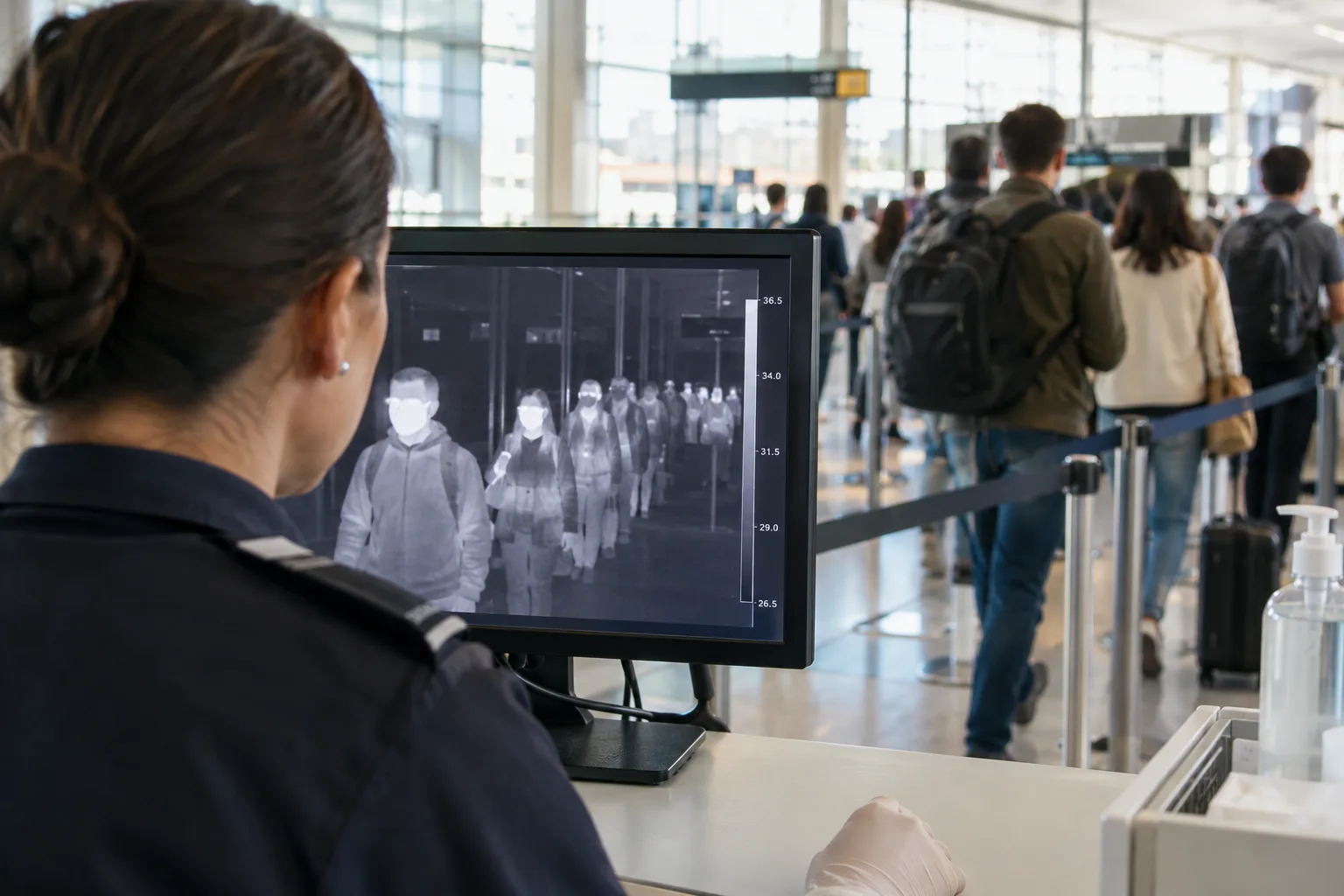
Separately, authorities have raised the national security posture, with enhanced protection for critical infrastructure and Jewish community sites. Expect more visible policing, bag checks and tighter screening at border crossings and major transport hubs. In practical terms, that may mean longer queues at popular times.
-
Crime warnings remain in place for parts of the Greater Buenos Aires area and Rosario. Petty theft and muggings are a regular issue in busy districts, transport interchanges, hotel lobbies and bar terraces. In La Boca, local guidance is to stick to Caminito Street and avoid neighbouring blocks after dark.
-
Weather planners have also flagged a higher chance of heavy rain and local flooding in some seasons linked to El Niño patterns. If you’re heading to river regions or planning road trips, keep an eye on local forecasts and flexible routes.
We see this as an incremental tightening rather than a reason to cancel plans. With sensible precautions, most trips run smoothly.
The background
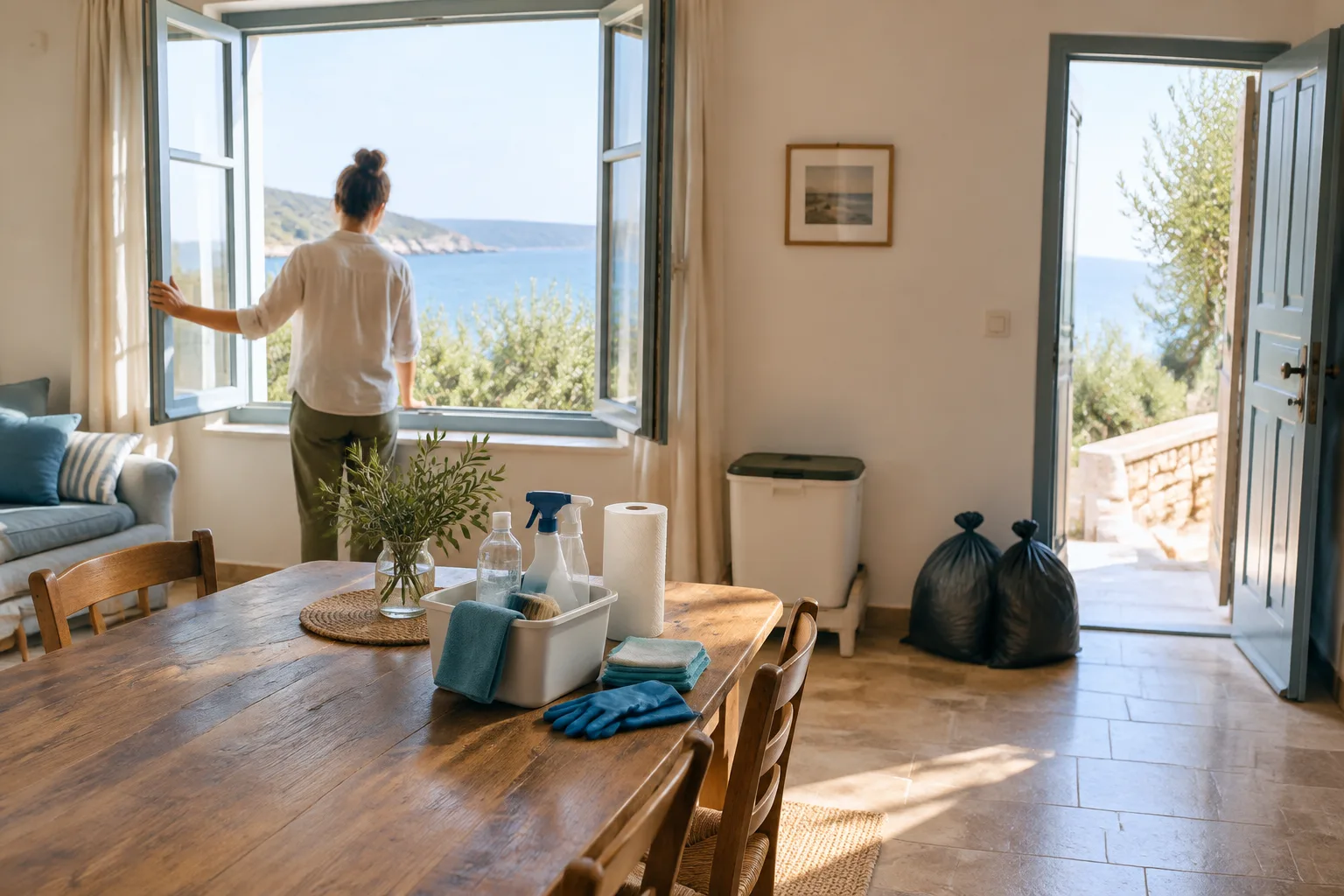
Hantavirus has cropped up in southern South America for years, often in rural settings where people can be exposed to rodent urine or droppings. The risk to casual city‑breakers is low, but hikers, campers and anyone using simple cabins in forested areas should take it seriously. Basic steps help: keep food sealed, ventilate cabins before cleaning, and avoid sweeping enclosed, dusty spaces where droppings might aerosolise.
Buenos Aires remains one of the continent’s great city breaks, but — like many big capitals — it has well‑known pickpocketing and distraction‑theft hotspots. Busy areas such as Florida Street, Plaza de Mayo, Congreso, Constitución, Puerto Madero, the Retiro bus terminal zone and the area around the Obelisk see regular grab‑and‑go thefts. Teams sometimes use spills, “helpful” strangers or a shove to distract while an accomplice lifts a phone or bag. Our take: carry the minimum, keep a zipped cross‑body bag in front and be choosy about where you use your phone.
Rosario has seen spikes in violent incidents linked to organised crime. Tourists are rarely the target, but the risk of being in the wrong place at the wrong time rises after dark or on quiet streets. Choose central, well‑reviewed accommodation, use reputable taxis and ask your host which blocks to avoid.
Security measures have been stepped up nationwide, particularly around sensitive sites and key infrastructure. That means more patrols, vehicle stops and ID checks around airports, bus terminals and ferry ports. Build a margin into transfers and keep your passport (or a good copy) handy when moving between provinces.
On the weather front, El Niño years can mean unsettled conditions, with heavier downpours in some regions. That’s relevant if you’re planning time around the Paraná and Uruguay river systems, or road journeys in low‑lying rural provinces. Check forecasts daily and avoid driving through floodwater — recovery services can be slow in remote areas.
If you’re structuring a longer multi‑stop trip through South America, factor in that official advice can change quickly. We’ve seen health and entry rules tighten at speed elsewhere, including Ebola-related checks for Madagascar and swimming safety alerts in the Maldives travel advice update. Treat country pages as a pre‑flight checklist, not a one‑off read.
Insurance is non‑negotiable. Medical care in Argentina ranges from excellent private clinics in big cities to basic rural facilities; medical evacuation from Patagonia or the northwest can be pricey without cover. If you’re adding adventure sports — rafting in Bariloche, high‑altitude trekking near Salta — make sure your policy names them. Requirements are tightening in parts of the world, as seen when Tanzania and Kenya introduced mandatory visitor insurance. It’s a good yardstick for how the wind is blowing elsewhere.
What people are saying
Health specialists stress that Hantavirus is uncommon but serious, and say the best defence is avoiding exposure in the first place. That means rodent‑proofing food, cleaning safely (damp‑wipe, don’t sweep) and choosing accommodation with sealed floors and good ventilation. If you develop fever and flu‑like symptoms after rural travel, seek medical advice promptly and flag your exposure history.
Seasoned travellers in Buenos Aires swear by a few simple habits: use ATMs inside banks or shopping centres, have restaurants bring the card machine to your table, and keep a cheap back‑up phone. Many also pre‑book rides with vetted apps instead of hailing on the street at night. We would add: leave your passport in a hotel safe where possible and carry a copy day‑to‑day.
Tour guides in La Boca echo the local line: Caminito’s colour‑washed houses and tango shows are worth a wander by day, but “do not stray beyond the tourist grid” and call it a night early. Rosario experts advise sticking to central, well‑lit avenues after dark and keeping jewellery to a minimum.
On logistics, airport staff report more thorough screening of bags and vehicles and occasional spot‑checks around terminal forecourts. It’s rarely dramatic, but it can slow things down at peak times. Our view: arrive earlier than usual for domestic flights, especially if connecting the same day.
For long trips — volunteering, road‑tripping or backpacking — veteran travellers recommend a belt‑and‑braces plan: comprehensive insurance, cloud backups of documents, and a simple emergency routine. If that’s you, our gap year travel checklist covers the admin many people forget.
What happens next
We expect the health section to be updated again if Argentina records clusters or seasonal shifts in Hantavirus activity, as happens some summers in the Andean south. Any change is usually flagged first in official advisories, then picked up by local health departments.
Security‑wise, enhanced measures tend to ratchet up or down in line with global events. For travellers, that means the odd extra checkpoint rather than curfews or closures. Plan on a little slack in your schedule and keep ID to hand.
Crime patterns in big cities are cyclical. As visitor numbers rise, so do thefts in touristy zones — watch periods around festivals, summer holidays and major football fixtures. Hotels and local tourism boards often publish current hotspot maps; ask on arrival. In La Boca, the guidance to stay within the Caminito grid by day and give the area a miss after dark is unlikely to change.
On weather, El Niño’s influence typically plays out over months, not days. If you’re headed for river regions or planning inter‑provincial drives, track local forecasts 72 hours out and adapt as needed. Bus companies sometimes reroute or pause services during floods; flexibility helps avoid stale hours at terminals.
As always, keep an eye on official advisories before you fly and once you’re on the ground. The UK’s country page for Argentina confirmed the Hantavirus addition on 7 May 2026, while Canadian officials highlighted El Niño‑linked flood risk on 14 October 2026. Between them, the direction of travel is clear: informed, insured and alert beats anxious any day.
Why this matters
Argentina is firmly on British wishlists, but the latest official notices mean a little more prep. Read the current country advice, check your cover includes medical evacuation and adventure sports, and build buffer time for enhanced security checks. In Buenos Aires and Rosario, stick to well‑lit, busy areas and keep valuables out of sight. If you’re planning rural hikes or cabin stays, follow Hantavirus precautions and keep an eye on local weather in El Niño seasons. For longer itineraries, our gap year travel checklist is a solid starting point.
From Before You Book Travel · Sponsor
Plan your trip with Becky
Tell Becky where you're dreaming of and she'll come back with a personalised holiday plan. No obligation, and no call centre.
Common questions
- what changed in the argentina travel advice in 2026
- The UK added new guidance on Hantavirus on 7 May 2026, and officials separately flagged tighter nationwide security checks and crime cautions for Buenos Aires and Rosario.
- is argentina safe to visit right now
- Yes, with normal city precautions. Expect more visible security, watch for petty theft in busy areas, and follow local advice in La Boca and Rosario.
- where should i be extra careful in buenos aires
- Be vigilant around Florida Street, Plaza de Mayo, Congreso, Constitución, Puerto Madero, the Retiro bus terminal area and the Obelisk, and keep phones and bags secured.
- is la boca safe for tourists
- By day, stay on Caminito Street and avoid surrounding blocks; avoid La Boca after dark. Keep valuables out of sight and use licensed transport.
- what is hantavirus and how can travellers avoid it
- Hantavirus is a rodent‑borne illness. Avoid exposure by sealing food, ventilating cabins before cleaning, and not sweeping enclosed, dusty spaces with droppings.
- are there extra security checks in argentina now
- Yes. Authorities have tightened security at public sites and border points. Allow more time at airports, bus terminals and crossings, especially at peak hours.
- could el niño affect travel in argentina this year
- Possibly. Officials warn El Niño can bring heavier rain and local flooding in some regions. Monitor forecasts and avoid driving through floodwater.
- do i need special travel insurance for argentina
- You need comprehensive medical cover, including evacuation and any adventure sports you plan. Private treatment and remote evacuations can be costly without insurance.
Sources
This article was written by Before You Book using the sources listed above. Product mentions are editorial unless clearly marked as sponsored.