Holiday News
Madagascar travel advice update: Ebola entry requirements added
UK travel advice for Madagascar now includes Ebola-related entry rules. Here’s what UK travellers should know, from health checks to on‑the‑ground safety.
By the Before You Book Editorial Team
Published · Updated · 6 min read
Quick answerThe UK has updated its Madagascar travel advice to add Ebola-related entry requirements. Check airline and Malagasy government instructions for any health screening before you fly.
Timeline
14 October 2025
Military takeover announced a two‑year transition with an interim president; conditions reported as calm.
9 September 2026
UK government added Ebola-related entry requirements to its Madagascar travel advice.
9 October 2026
Canada updated its Madagascar advice, noting El Niño in the natural disasters section.
The UK government has updated its foreign travel advice for Madagascar to include new information on Ebola-related entry requirements. It’s a technical change on the “Entry requirements” page, but for UK holidaymakers planning lemur country, it means building in a little extra time to check for any health screening or documents before you pack.
At the time of the update (9 September 2026), officials flagged an “addition of information on Ebola entry requirements.” In plain terms, rules can tighten quickly in response to regional outbreaks, so airlines and border officers may ask for health screening or declarations. We rate Madagascar highly for adventurous wildlife travel, but recommend treating this as a pre‑departure admin check alongside visas, vaccinations and insurance.
What happened
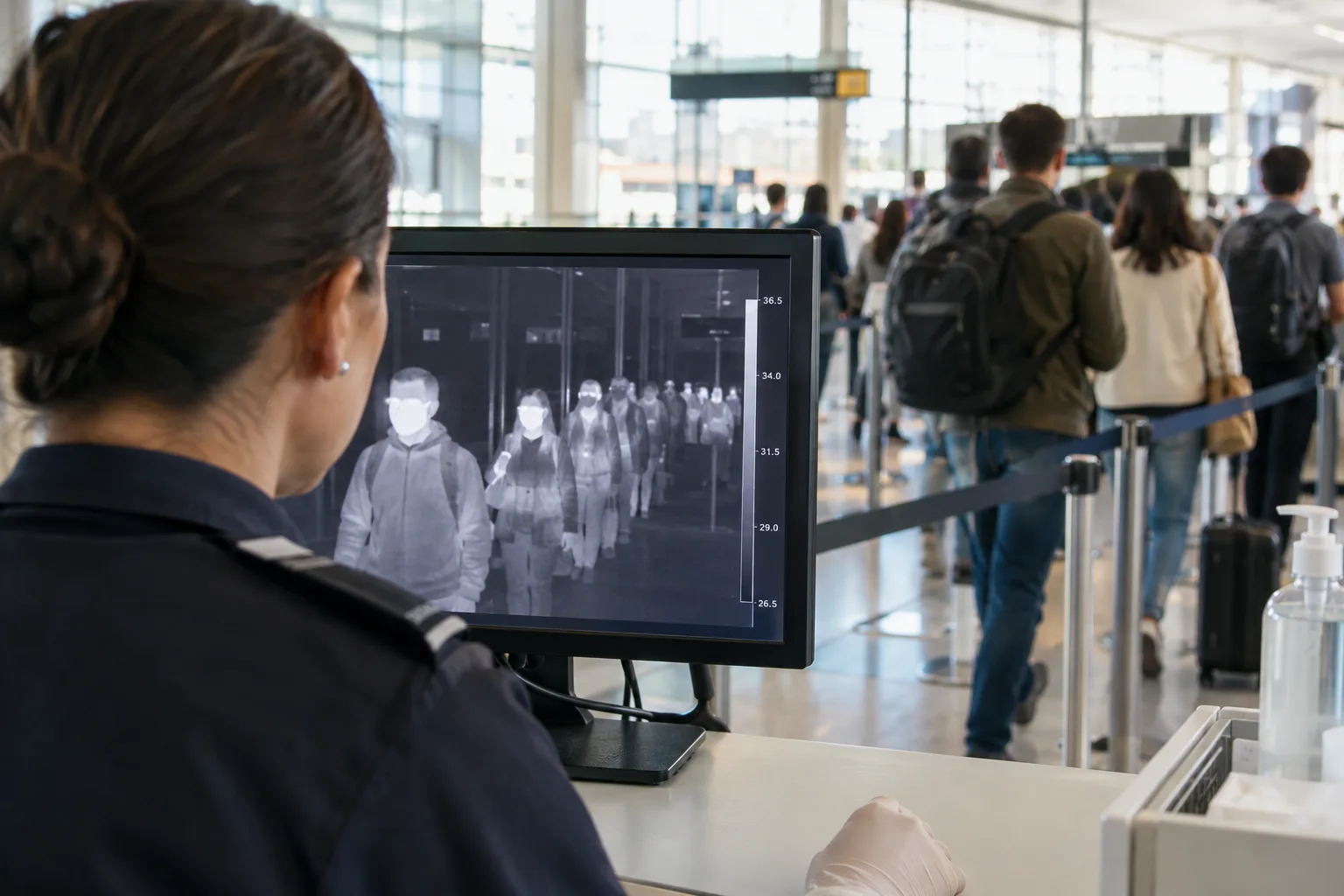
The Foreign, Commonwealth & Development Office (FCDO) amended its Madagascar guidance on 9 September 2026 to add Ebola-related entry information on the requirements page. While the advisory does not spell out permanent, one‑size‑fits‑all rules, updates like this typically indicate that health checks or paperwork may be requested by carriers or at the border. Expect practical measures such as verification of recent travel history or health questionnaires, and follow your airline’s instructions when you check in.
We advise travellers to confirm any pre‑departure health forms or screening with their airline 48 to 72 hours before travel, and again at online check‑in. If you’re connecting via a third country, also check the transit airport’s rules — carriers can deny boarding if your documents aren’t in order. For comparison on shifting entry rules elsewhere, see our explainer on Tanzania and Kenya’s new mandatory travel insurance requirements.
The update arrives alongside broader safety considerations. Canadian travel advice continues to recommend a high degree of caution in Madagascar due to crime and potential political instability. Following large demonstrations in October 2025, the military announced a two‑year transition under an interim president; conditions have since been reported as calm. For holidaymakers, that translates to monitoring local news and steering clear of rallies.
The background
Crime targeting visitors is an established risk, particularly in Antananarivo, where pickpocketing and bag‑snatching are common around busy streets, markets and transport hubs. Smash‑and‑grab theft at traffic lights and opportunistic robberies from vehicles also occur. Keep valuables out of sight, windows closed in traffic, and use hotel safes where available.
Reports of violent crime, including armed robbery, carjacking and home invasions, are not confined to the capital. Tourists have been assaulted in some coastal areas and national parks, and authorities caution against visiting isolated beaches or trails alone. Where you do go exploring, we recommend using a reputable operator and insisting on a national guide accredited by Madagascar’s Ministry of Tourism.
Several specific locations have seen incidents reported, including areas such as Nosy Be, Sainte Marie (Nosy Boraha), Toliara’s Batterie Beach, and sites around Tôlanaro (Fort Dauphin). Before heading to these or other remote spots, seek current local advice on conditions, security and road access — and avoid solo visits.
Road safety is a significant risk. Outside major cities, roads can be poorly maintained with potholes, stray livestock and limited lighting; vehicles themselves may be in poor condition. Night‑time driving is strongly discouraged. If you plan overland routes, hire a 4x4 with a driver who knows the terrain, and allow extra time between destinations — a three‑hour map estimate can become a full‑day journey in the rainy season.
Weather adds another layer. The rainy season typically runs from November to April and can make driving more hazardous, particularly in northern provinces. Seasonal cyclones and El Niño effects can further disrupt roads, flights and power. Build slack into your itinerary and keep your first night near your arrival airport in case of delays.
Madagascar’s coast is spectacular but not without hazards. Strong riptides are common, and sharks are present on parts of the east coast, notably around Tamatave and Manakara. Follow local advice and avoid swimming on unpatrolled or isolated beaches. If you’re planning time in the water elsewhere this winter, our safety tips in Maldives travel advice: swimming safety and flights are a sensible checklist to apply anywhere.
Medical infrastructure outside Antananarivo is limited, which is why comprehensive travel insurance is a must. Check your policy covers emergency medical treatment, medical evacuation and adventure activities you plan to do, such as trekking or diving. For broader insurance pitfalls to avoid, see our practical guide to gap year travel and the cover you really need.
What people are saying
Health authorities routinely adjust border health measures in response to outbreaks, and the UK update explicitly notes an “addition of information on Ebola entry requirements.” In practice, airlines often act as the first checkpoint, verifying paperwork at departure to avoid fines on arrival. Travellers who turn up without required documents can be refused boarding.
Tour operators we rate for Madagascar itineraries typically build in daytime transfers and rely on vetted drivers, which aligns with official advice to avoid after‑dark travel. In cities, seasoned travellers favour hotels with secure compounds and recommend pre‑booked, reputable taxis rather than hailing on the street. For park visits, the consistent tip is to insist on accredited national guides and to avoid hiking alone.
Security specialists also highlight common‑sense steps that make a difference: keep phones and cameras discreet, split cash/cards, and carry only what you need when out. In traffic, doors locked and windows raised is standard practice. If confronted, avoid resistance — belongings are replaceable; injuries are not.
On protests, the line remains to avoid all demonstrations and large gatherings, even when they look peaceful. Rallies can spring up without warning, and peaceful crowds have the potential to turn quickly. If your hotel is in a central area, ask staff for any planned marches or closures and adjust routes accordingly.
What happens next
Expect entry requirements to remain under review. Health‑related border rules tend to evolve with regional case trends and airline operations. Your best defence is to check for updates twice: once when booking, and again in the week before you fly. Keep boarding passes and any health forms handy for connections.
If you’re piecing together a multi‑stop trip through Africa or the Indian Ocean, keep a running list of each country’s rules; what’s needed for one leg may differ entirely for the next. For other moving parts that can catch travellers out, our guide to how to check your border status in the EU’s new EES shows the value of pre‑trip admin, even though the EU system doesn’t apply in Madagascar.
On the ground, plan conservatively. Aim to arrive before dusk, stick to main routes, and allow an extra day at the end of your trip in case poor weather affects internal flights or roads. For city time, concentrate activities in daylight and use recommended drivers arranged through your hotel or tour operator.
Lastly, lock in robust travel insurance and keep your insurer’s emergency number saved offline. With limited emergency services in rural regions, evacuation cover is crucial. For inspiration on where good planning pays off, our round‑up of six once‑in‑a‑lifetime trips worth planning properly is a reminder that the best adventures start with solid prep.
Related: Argentina travel advice update adds Hantavirus warning
Why this matters
Entry rules can change quickly, and Madagascar now flags Ebola-related requirements. UK travellers should check airline and border instructions in the week before departure, carry print and digital copies of any health paperwork, and build extra time into connections. Strong travel insurance with medical evacuation cover is essential, especially if you’re exploring national parks or remote coasts. For broader rule changes elsewhere, our guide to new East African insurance requirements helps you sense‑check your policy before you go: Tanzania and Kenya add mandatory travel insurance for visitors.
From Before You Book Travel · Sponsor
Plan your trip with Becky
Tell Becky where you're dreaming of and she'll come back with a personalised holiday plan. No obligation, and no call centre.
Common questions
- what changed in madagascar entry rules in 2026
- The UK added Ebola-related entry information on 9 September 2026. Check your airline and Malagasy authorities for any health screening or paperwork before travel.
- is there ebola screening for travel to madagascar
- Screening or health declarations may be required based on current rules. Confirm with your airline and the Malagasy authorities before you fly.
- is madagascar safe to visit right now
- You should exercise a high degree of caution due to crime and potential political instability. Conditions are calm, but take sensible security precautions and avoid demonstrations.
- when is the rainy season in madagascar
- The rainy season typically runs from November to April. Driving conditions worsen and some routes may become hazardous during this period.
- is it safe to drive in madagascar
- Road safety is poor, especially outside cities. Avoid night driving, use a 4x4 with a driver, and allow extra time for journeys.
- can i swim on madagascar’s beaches safely
- Coastal waters can be dangerous, with strong riptides and sharks in some areas. Follow local warnings and avoid isolated or unpatrolled beaches.
- are protests a risk for travellers in madagascar
- Demonstrations occur and can turn violent. Avoid all gatherings, follow local advice, and monitor local news for disruption.
- do i need travel insurance for madagascar
- Yes. Medical facilities are limited outside Antananarivo. Choose comprehensive cover including emergency medical treatment and evacuation.
Sources
- GOV.UK Foreign Travel Advice: Madagascar travel advice - GOV.UK
- travel.gc.ca: Madagascar travel advice
This article was written by Before You Book using the sources listed above. Product mentions are editorial unless clearly marked as sponsored.