Where to Go
German Baltic Coast: where to go and what to do now
Handsome spa towns, soft sand and simple rail links make Germany’s Baltic shore a smart, lower-key beach escape for UK travellers.
By the Before You Book Editorial Team
Published · Updated · 6 min read
Quick answerGermany’s Baltic coast offers easy rail-access seaside towns, long sandy beaches and handsome spa resorts. We rate Rügen, Heiligendamm, Kühlungsborn and family-friendly strands like Timmendorfer Strand and Poel for a low-stress European beach break.
The Baltic shore of northern Germany is hiding in plain sight for UK beach-goers: broad, pale sand, spruce forests meeting dune-backed strands, and a run of handsome spa towns that don’t demand Mediterranean heat to shine. With easy rail links from Hamburg and Berlin, it’s a gentle, good-value way to get your fix of sea air without a long‑haul flight.
We’ve picked the stretch that works best for first-timers: Rügen for big skies and walks, Heiligendamm and Kühlungsborn for old-school elegance, plus simple family days at Timmendorfer Strand and on Poel. Add in a lighthouse climb here, a maritime museum there, and you’ve got a satisfying long weekend or a slower week by the water.
What happened
Germany’s Baltic resorts are enjoying fresh interest among travellers looking for cooler‑climate beach time and rail‑friendly holidays. ABTA highlights that the coast is straightforward to reach by train from Hamburg and Berlin, which puts classic resorts and islands within easy, car‑free range for UK arrivals connecting by air or Eurostar‑ICE combinations.
On Rügen, Germany’s biggest island, the seaside town of Binz fronts a deep, powdery beach and a smart promenade of villas in pale timbered styles. A short hop away, the Königsstuhl cliff rises more than 100 metres above the sea within Jasmund National Park, a dramatic chalk headland with waymarked trails through beech woodland. Expect breezy viewpoints, photogenic white escarpments and relaxed cycling routes between resort towns like Göhren and Putbus.
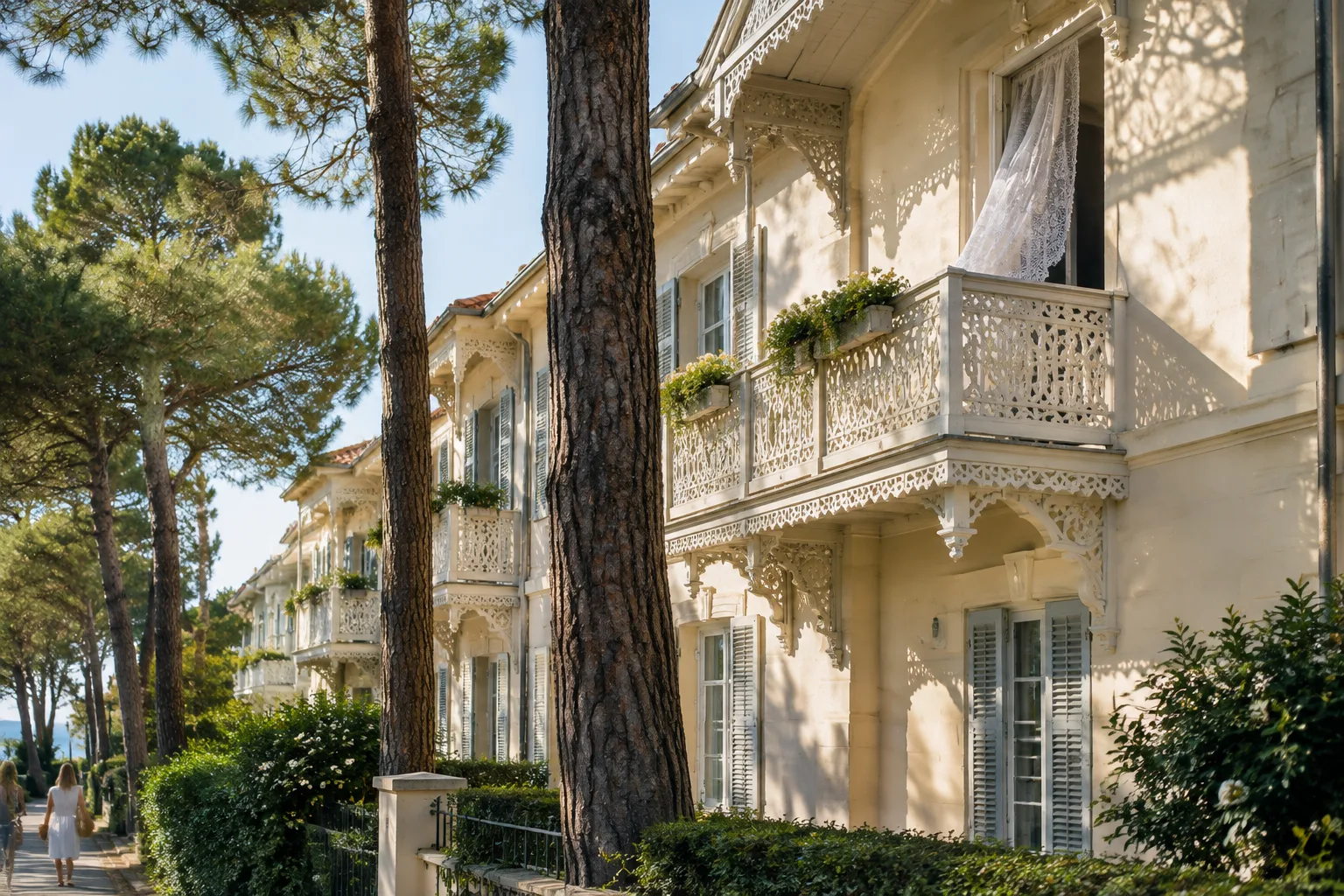
Southwest along the coast, Heiligendamm is Germany’s oldest seaside resort, its seafront a parade of dignified neoclassical buildings and grand hotels. Locals affectionately call it the “White Town by the Sea”, and it remains the place for an unhurried spa afternoon and a slow promenade before dinner.
Neighbouring Kühlungsborn keeps the 19th‑century seaside spirit going with ornate villas, a seafront ferris wheel for kid‑pleasing views, and long pedestrian strands. The narrow‑gauge Molli heritage railway puffs between Kühlungsborn, Heiligendamm and Bad Doberan, making a cheerful, low‑effort day out without needing a car.
For families, two easy picks: Timmendorfer Strand offers a wide sweep of soft sand and generally gentle shallows ideal for first dips and sandcastle marathons. On the island of Poel, broad beaches and calm water keep things simple for paddling and picnics. Active types can hire kayaks or stand‑up paddleboards, or take windsurfing lessons when the breeze is up.
Culture breaks up the beach nicely. In Warnemünde, climb the lighthouse for coast‑spanning views and a sense of how much sand there is to play with. In Stralsund, the acclaimed Ozeaneum sea museum brings the Baltic’s underwater world ashore with big‑scale exhibits — a handy option for a blustery afternoon. In Lübeck, the red‑brick Holstentor city gate anchors a rewarding detour if you fancy a dose of Hanseatic history before or after the beach.
The background
This is the gentler face of Germany’s coast: rolling farmland and forest giving way to dune‑lined beaches, resort towns set back enough to stay calm even in summer, and a consistent thread of spa culture from the 19th century that still informs how people holiday here. Expect wicker beach chairs, long promenades and an emphasis on unhurried fresh‑air time.
The geography shapes the experience. Rügen’s chalk coast and beech woods bring cliff‑top walks and shaded cycling; the flatter strands nearer Lübeck and Rostock suit families who want easy access and shallow entries. Seaside architecture is part of the appeal: resorts like Heiligendamm and Kühlungsborn show off light‑coloured villas and pavilions, a northern riff on the grand spa towns further south.
Getting there is easier than many realise. Fly into Hamburg or Berlin, then take direct or one‑change trains north to Rostock, Stralsund or Binz for Rügen. For UK travellers commuting to London, train‑to‑train connections onwards are simple too — our guide on how to check your EES status online is a useful refresher on border formalities before you go.
Once you’re in resort, you’ll rarely need a car. Local trains, buses and ferries stitch together the islands and mainland, and most towns are designed for strolling or cycling. Heritage rides add character: the Molli narrow‑gauge steam railway between Kühlungsborn, Heiligendamm and Bad Doberan feels like a miniature Great Western holiday transported to the Baltic.
When to go depends on what you want. Late spring to early autumn brings the most reliable beach weather, with water sports centres open and cafés spilling onto promenades. Outside peak summer, there’s still plenty to do: autumn’s lower sun and quieter paths make Rügen’s cliff and forest trails especially appealing, not unlike the shoulder‑season calm we love in Mallorca in autumn.
Where to base yourself comes down to pace. Binz on Rügen works for a classic “bucket and spade plus nature” mix. Heiligendamm is for spa time and serene evenings. Kühlungsborn suits couples or families wanting seafront buzz without late‑night roar. Timmendorfer Strand is all about convenient family beach days, while Poel offers a softer, island‑time feel.
Practicalities are straightforward. Many German cities and resorts levy small overnight taxes; check your hotel’s details and factor it into your budget — our explainer on tourist taxes in 2026 sets out what to expect more broadly across Europe. Card payments are widely accepted, though it’s sensible to carry some euros for beach kiosks and heritage rail tickets.
What people are saying
German and Scandinavian families have long used this coast for low‑stress beach holidays: short travel times, clean strands, and resorts that are set up for prams, scooters and hire bikes. UK tour planners we speak to rate the mix of soft adventure — coastal walks, lighthouse climbs, easy cycling — with reliable options for rainy hours like maritime museums and aquariums.
Rail advocates say it’s one of Europe’s easier coastal trips to do without a car: direct trains from big hubs, solid local buses and ferries, and compact towns where you can walk from station to seafront. Seasoned travellers advise booking seafront rooms early for summer weekends, and choosing properties one street back for better value and quieter nights.
Families commonly recommend packing windbreaks and light layers even in July and August; the breeze is part of the charm, and it keeps the heat in check. Water sports centres on bigger beaches are well‑used for beginner lessons, while confident paddlers and kayakers should check local flags and rent from operators who monitor conditions.
Food‑wise, expectations should match the setting: lots of fresh fish, simple beach cafés, and hotel dining rooms that skew classic rather than cutting‑edge. Day trips into Rostock, Stralsund or Lübeck widen the options, with bakeries and casual spots an easy way to keep costs steady.
For budget control, frequent visitors like the value of rail day passes and bike hire in resort rather than taxis. And if you’re flying into Germany, using points to offset fares into Hamburg or Berlin helps — start with our guide to British Airways Avios if you’re collecting.
What happens next
If you’re set on a peak‑summer beach week, shortlist your bases and book accommodation soon — waterside rooms in Binz, Heiligendamm and Kühlungsborn go first. Look for properties that include beach chair rental or bike hire, and check the fine print on resort taxes.
Plan rail first, beaches second. Work your route into Rostock, Stralsund or Binz from Hamburg or Berlin, then map local hops to your beach of choice. For a car‑free itinerary, stitch together two nights in Heiligendamm or Kühlungsborn with three on Rügen, using the Molli train for a nostalgic day and leaving time for a half‑day at Stralsund’s Ozeaneum if the weather turns.
Build in flexibility. The coast shines on sunny days, but it’s still northern Europe — have a museum or lighthouse in your back pocket, and pick a hotel with a pool or spa if you’re travelling with kids. If you’re squeezing this into a school holiday, our Manchester Airport half‑term tips are a handy pre‑flight checklist.
Finally, factor in simple safety and admin. Check your passport validity and Schengen entry rules, and keep an eye on any new border systems via our guide to EES checks and fixes. Travel insurance that covers water sports is a small extra cost for a lot of peace of mind on windy days.
Related: Adams Morgan, Washington DC: where to go and what to do
Related: Things to do in Grenada: beaches, spices and waterfalls
Why this matters
Germany’s Baltic coast is an easy win for UK travellers who like beaches without the heat or hassle. It’s rail‑friendly, family‑practical and good value if you book early and one street back from the seafront. Check Schengen entry and EES status, factor in any local tourist taxes, and confirm water‑sports cover on your insurance before you go. If you’re building an itinerary around rail and shoulder‑season calm, our guide to tourist taxes in Europe is a useful cross‑check: what UK travellers will pay now.
From Before You Book Travel · Sponsor
Plan your trip with Becky
Tell Becky where you're dreaming of and she'll come back with a personalised holiday plan. No obligation, and no call centre.
Common questions
- is the german baltic coast easy to reach by train
- Yes. You can take straightforward rail journeys from Hamburg or Berlin to coastal hubs such as Rostock, Stralsund and resorts on Rügen.
- where are the best beaches on the german baltic coast
- Rügen’s Binz has a wide sandy strand, while Timmendorfer Strand and the island of Poel offer broad, shallow beaches ideal for families.
- what is special about heiligendamm
- Heiligendamm is Germany’s oldest seaside resort, known for elegant neoclassical villas and a calm promenade perfect for spa‑days and evening strolls.
- what can i do in kühlungsborn with kids
- Ride the Molli heritage steam train to Bad Doberan, take a spin on the seafront ferris wheel, and spend time on long, family‑friendly beaches.
- is there good hiking on the german baltic coast
- Yes. On Rügen, Jasmund National Park has trails through beech woods to viewpoints over the Königsstuhl chalk cliffs and the Baltic Sea.
- what indoor attractions break up a beach day
- Climb Warnemünde Lighthouse for views, visit Stralsund’s Ozeaneum maritime museum, and detour to Lübeck’s Holstentor for Hanseatic history.
- when is the best time to visit the german baltic coast
- Late spring to early autumn offers the best beach weather. Outside peak summer you’ll find quieter paths, easier bookings and lower prices.
- do i need to budget for tourist taxes in german resorts
- Often yes. Many resorts levy small overnight taxes, usually collected by hotels. Check your booking details and include them in your budget.
Sources
- ABTA: Things to do in the German Baltic Coast | ABTA
- id.trip.com: Panduan wisata German Baltic Sea 2026: tempat wisata, kuliner, hotel & itinerary | Trip.com
This article was written by Before You Book using the sources listed above. Product mentions are editorial unless clearly marked as sponsored.