TrendingWhere to Go
Mallorca in autumn: warm days, culture and quieter beaches
Why Mallorca is drawing late-season interest now — and how to plan it well.
By the Before You Book Editorial Team
Published · Updated · 6 min read
Quick answerYes. Mallorca stays warm well into autumn, with average highs around 27°C in September and roughly 18°C in November, plus over 300 sunny days a year.
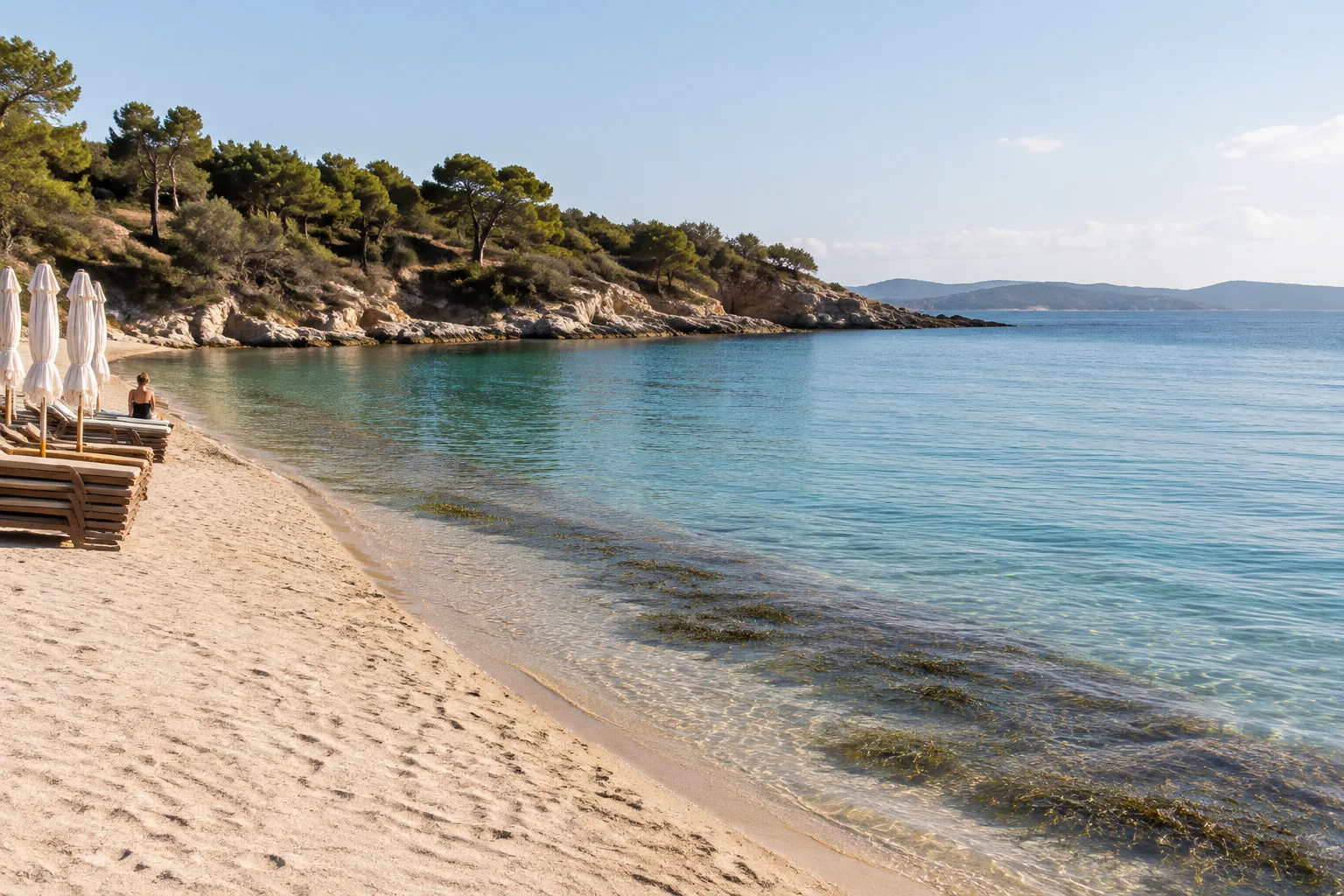
Mallorca is back on UK travellers’ shortlists for late-season sun, and with reason: the island stays warm long after summer, with average highs of roughly 27°C in September and still around 18°C in November. Add more than 300 sunny days a year and an easy blend of beach, culture and food, and you’ve got an autumn escape with fewer crowds and plenty still open.
As peak season fades, the experience shifts. Historic Palma breathes easier, galleries put on big nights, quiet fishing towns return to their gentle rhythm and headline attractions feel less hurried. We rate Mallorca for couples chasing shoulder-season value, families who prefer milder heat, and anyone who wants a city-and-sea break in one flight.
What happened
Mallorca has fresh momentum among holidaymakers this autumn because it delivers reliable warmth without peak‑season pressure. The island reports more than 300 days of sunshine annually, with average highs of about 27°C in September and pleasant days still around 18°C in November, which keeps beach time and outdoor sightseeing very doable. Local guides say interest has risen as travellers aim for shorter, better‑value getaways outside the school holidays; as one put it, “Mallorca has become really popular,” said tour guide Lorena Torres.
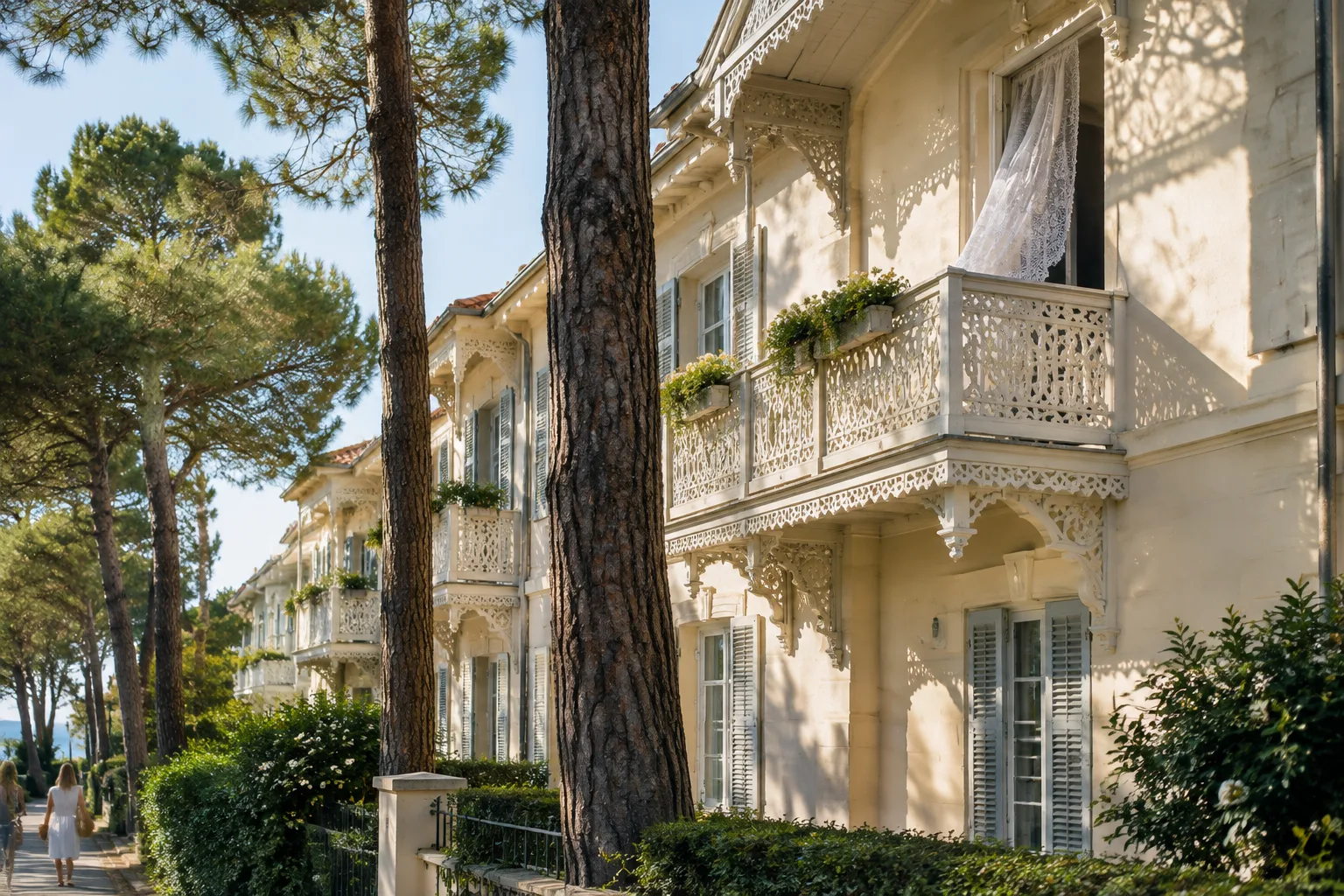
The island’s capital Palma offers exactly the kind of culture hit that suits a shoulder-season break. Its old town lanes are lined with centuries‑old mansions now housing boutiques, restaurants and galleries, so you can mix an easy morning at La Seu, the Gothic cathedral by the waterfront, with lunch and an afternoon gallery crawl without battling August crowds. In late September, the city’s annual Nit de l’Art marked its 30th edition, when galleries opened late and exhibitions spilled into the streets — a good cue that autumn is a lively time to visit beyond the beach.
Beyond Palma, Mallorca’s marquee sights stay compelling in cooler months. The Cuevas del Drach by Porto Cristo lead to Lake Martel, an underground lake where classical musicians perform from illuminated boats — a dramatic, sit‑down experience that fits shoulder‑season pacing. On the southeast coast, Portocolom shows a quieter face of the island, with a working harbour, coastal viewpoints and sunset‑friendly waterside restaurants.
The background
Mallorca is the largest of the Balearic Islands and attracts over 13 million visitors each year, drawn by sandy coves, clear water, historical architecture and an easy food scene. It sits roughly 125 miles off Spain’s eastern coast, which helps to keep autumn days warm and light. For UK travellers, the appeal is simple: reliable flights, broad accommodation choice and the option to split days between city time in Palma and coastal rambles.
La Seu, Palma’s defining monument, began construction in the 13th century and took 372 years to complete. Built on the site of a former mosque after the Christian conquest, it layers influences linked to Christianity, Judaism and Islam. Inside, the vast rose window is a talking point in a long‑running, good‑natured architectural rivalry with France over who claims Europe’s finest stained glass.
For a different kind of spectacle, the Drach Caves’ limestone chambers are illuminated to show forests of stalactites and stalagmites. The guided route leads to seats by Lake Martel for the short classical performance from boats — short enough for kids, atmospheric enough for date night. It’s one of the island’s most reliably memorable hours, in any weather.
If you prefer the island at its gentlest, Portocolom’s draw is its pace. The harbour remains the star, with low‑rise waterfront buildings and calm water; Cala Marçal is the main local beach, an easy stroll from most stays. It’s the kind of base where you can walk out for coffee, pick up bread, and be perched for sunset in minutes.
Accommodation‑wise, refurbished stock is improving shoulder‑season options. Wyndham Portocolom reopened in April 2026 after a revamp, combining self‑catering space with hotel‑style touches such as a pool and gym. It’s about 150 metres from Cala Marçal Beach and roughly a 20‑minute walk to the harbour, which keeps car‑free days simple. Rates start from €720 (£625) for seven nights for up to six people — strong value if you’re splitting costs with family or friends.
If you’re planning flights, it’s worth checking reward seats and sales before locking in cash fares; our guide to British Airways Avios: status and transfers explains how to squeeze value from points for Palma. If you’re wary of airline wobbles, bookmark your rights in case of cancellations or delays with our explainer on Ryanair and easyJet cancellations: your UK flight rights now.
Costs and practicalities
Mallorca’s broad appeal means budgets stretch. Self‑catering is plentiful near family‑friendly beaches such as Cala Marçal, while Palma city stays suit shorter breaks centred on food, galleries and the cathedral. Shoulder season often trims room rates and car‑hire prices versus summer; you’ll usually find easier tables at classic spots too.
Do factor in local taxes when comparing deals. Spain’s regions have varying levies on stays; see our breakdown of what tourist tax you’ll pay in 2026 to estimate costs before you book. If you’re combining Mallorca with a wider Schengen itinerary later this year or next, stay on top of border rule changes using our guide to how to check your EES status online — and fix errors.
What people are saying
Local guides emphasise the island’s calming rhythm once the summer peak fades — slower lunches, cooler strolls through Palma’s courtyards, and coastal walks without the midday burn. Industry operators highlight that reliable autumn temperatures stretch the season, keeping restaurants and attractions appealing to off‑peak travellers who want culture with their beach.
Seasoned visitors point to Palma’s easy wins: start at the cathedral, wind through the old town to independent galleries and artisans, then make a late afternoon beeline for the seafront. Families praise the caves as a weather‑proof highlight, and walkers favour the southeast coast for accessible, scenic paths around Portocolom.
The main planning pitfalls we see: underestimating how much still books up on event weekends like Nit de l’Art; overlooking regional taxes when pricing apartments; and leaving flights late in hopes of deep discounts, only to find limited times at higher fares. As ever, have a fallback if your flight shifts — our piece on your UK flight rights is the one to keep to hand.
What happens next
Autumn flows into a softer winter on Mallorca, when sunny spells continue and the island turns even more local. Expect shorter museum hours here and there, but the key sights in Palma and the major caves operate year‑round, making winter city‑plus‑coast weekends viable.
Looking ahead to spring, demand typically ticks up from Easter, but March and April still feel measured compared with high summer. If you liked the balance in October or November, that late‑spring window echoes it — beaches become swimmable for many, while the city remains comfortable for all‑day exploring.
For those targeting value, the strategy is simple: secure flights early for decent times, lock in an apartment or aparthotel near a walkable beach or harbour, and sketch in a couple of headline cultural stops. If you want the warmth without the scorch, autumn remains the sweet spot — and Mallorca’s blend of sun, streets and sea is exactly why it’s trending again.
Related: German Baltic Coast: where to go and what to do now
Why this matters
Mallorca is one of the easiest late‑season wins from the UK: warm days, fewer crowds and culture that’s open year‑round. Before you book, check local stay taxes for your dates, confirm off‑peak opening hours, and have a plan B for flights using our guide to UK flight rights.
From Before You Book Travel · Sponsor
Plan your trip with Becky
Tell Becky where you're dreaming of and she'll come back with a personalised holiday plan. No obligation, and no call centre.
Common questions
- is mallorca warm in november
- Yes. Reports indicate average temperatures around 18°C in November, making outdoor sightseeing and sunny lunches feasible outside peak season.
- how many days of sunshine does mallorca get
- Local reporting cites more than 300 days of sunshine a year, supporting reliable autumn and winter breaks.
- is mallorca the biggest balearic island
- Yes. Mallorca is the largest of the Balearic Islands and attracts over 13 million visitors each year.
- what to see in palma mallorca in autumn
- Start with La Seu cathedral, then explore the old town’s historic houses, boutiques, galleries and waterfront. Autumn events like Nit de l’Art add evening buzz.
- where are the drach caves in mallorca
- Cuevas del Drach are near Porto Cristo on Mallorca’s east coast, culminating at Lake Martel with classical music performed from boats.
- is portocolom good for a quiet stay
- Yes. Portocolom’s draw is its working harbour, coastal viewpoints and calmer pace, with Cala Marçal beach nearby for relaxed days.
- how much is wyndham portocolom per week
- Rates start from €720 (£625) for seven nights for up to six people, according to the property’s latest information.
- how far is wyndham portocolom from the beach
- About 150 metres from Cala Marçal Beach, with a roughly 20‑minute walk to Portocolom’s harbour for restaurants and sunset views.
Sources
This article was written by Before You Book using the sources listed above. Product mentions are editorial unless clearly marked as sponsored.