Where to Go
Malta travel: where to go now and what to do
A smart Mediterranean pick for UK travellers: compact cities, clear seas, island‑hopping and year‑round culture on one easy itinerary.
By the Before You Book Editorial Team
Published · Updated · 6 min read
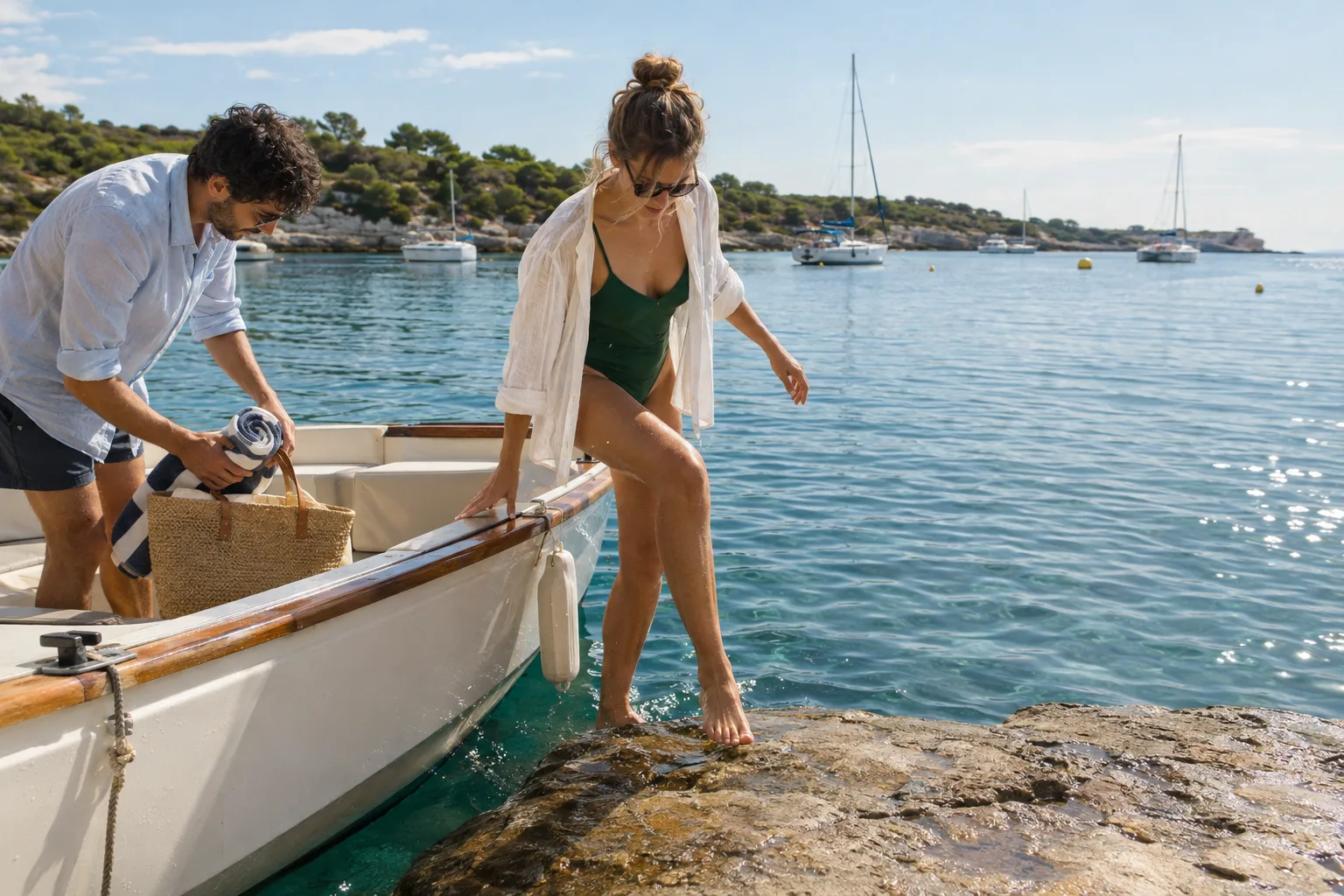
Quick answerMalta works for a short sunshine break or a longer culture‑rich holiday, with compact historic cities, rugged coastlines and easy day trips to Gozo and Comino.
Malta keeps popping up on our radar for good reason: it’s one of the easiest Mediterranean escapes to plan from the UK, with heritage‑packed cities, reliable sunshine and swims you can actually see your toes in. It’s also small enough to keep transfers short, yet varied enough to fill a long weekend or a full week without repeating the same view.
In early May 2026, a UK travel video ran through why Malta works so well: compact historic centres, cliffy coastlines, hearty local cooking, lively culture and plenty of outdoor time. We agree — and here’s our take on how to stitch those strengths into a trip that feels effortless.
What happened
A Travel Smart segment published on 3 May 2026 highlighted Malta’s headline appeal for holidaymakers: the concentration of history in its cities, the photogenic drama of its shores, distinctive food and traditions, and easy access to hiking, swimming and boat‑based days out. The islands’ scale means you can blend all of that in a single short break rather than choosing one theme and missing the rest.
From our perspective, that mix is precisely what makes Malta “a banker” for a first or second visit to the central Mediterranean. You get walkable capitals, clear‑water bays, a separate rural island that’s simple to reach for the day, and practicalities — language, currency, driving side — that don’t trip up UK travellers.
The background
Valletta and Mdina: two very different city days
Malta’s capital, Valletta, is a concentrated blockbuster of golden stone bastions, handsome piazzas and grand interiors from its time under the Knights. You can comfortably explore on foot: start at the Upper Barrakka Gardens for harbour panoramas, tour St John’s Co‑Cathedral for Caravaggios and inlaid marble floors, then wander down to the Grand Harbour ferry for quick hops to Vittoriosa and Senglea. We rate basing yourself within the walls if you’re here for two or three nights; you’ll walk to dinner and sunrise harbour views.
For contrast, carve out half a day for Mdina, the former capital, whose quiet lanes and honey‑coloured palazzi feel made for slow strolling. The surrounding town of Rabat adds catacombs and casual cafés for a gentle afternoon before returning coast‑side.
Gozo and Comino: easy boat days, calmer pace
Gozo, Malta’s smaller neighbour, is the obvious day trip and a smart overnight if you want country walks and village life. Ferries run frequently, and once you land it’s minutes to Xlendi or Marsalforn for seafood lunches and cliff‑top paths, or to Ġgantija’s prehistoric temple complex for a deep‑time pause. We suggest renting e‑bikes or booking a driver for a loop that takes in Dwejra Bay and the inland sea.
Comino, sitting between the two, is the go‑to for translucent swims at the Blue Lagoon outside peak times. Aim for early morning or late afternoon, shoulder seasons if possible, and take reef‑safe sunscreen and water shoes; the shore is rocky rather than sandy.
Coasts made for swims and walks
Malta isn’t all coves and boats. The west and northwest offer satisfying on‑foot sections, with limestone terraces, sea arches and farmed plateaus rolling to the edge. Ramla Bay on Gozo ticks the easy swim box with a generous red‑sand arc, while Mellieħa Bay on the main island delivers shallow, family‑friendly water. Confident swimmers will also find marked zones near Sliema’s lidos for quick city dips.
Food and evenings out
Expect a Mediterranean table with a Maltese accent: rabbit stews, lampuki when in season, ftira bread, and ricotta‑filled pastizzi from hole‑in‑the‑wall bakeries. Wine lists often feature indigenous grapes (Girġentina, Ġellewża); staff are happy to nudge you to a local bottle. Evenings run from waterfront sundowners in Sliema and St Julian’s to tucked‑away courtyards in Birgu; Valletta’s narrow streets now hum with independent kitchens worth booking in advance.
Practicalities UK travellers appreciate
English is widely spoken, the euro is the currency, and — unusually for mainland Europe — cars drive on the left. That makes short rentals feasible if you’re exploring beyond the main bus corridors, though we’d skip the car in Valletta. If you’re thinking about squeezing in a spontaneous hop, our guide to standby flights and whether any deals are left explains the realities at UK airports.
Public buses reach the main sights, but plan extra time at peak hours, particularly on beach‑day routes. Water taxis and harbour ferries are cheap and time‑saving between Valletta and the Three Cities; they also deliver the postcard approach you’ll want at least once.
When to go
Summer (June to September) is beach season, with heat that suits swims more than sightseeing in the middle of the day. We rate spring (April–May) and autumn (late September–November) for culture, coastal walks and calmer Blue Lagoon dips. Winter short breaks are viable, with mild days, open museums and lower hotel rates; pack a layer for breezy evenings.
Costs and taxes to know about
Most stays include a small per‑night eco‑contribution for adults, capped over a few nights; it’s typically collected by your hotel on arrival. Always check your confirmation and budget a few extra euros in cash just in case. For a refresher on per‑night charges across Europe, see our explainer on tourist taxes in 2026 and what UK travellers will pay.
Hotel pricing tracks the seasons; shoulder‑season city stays can be excellent value. If you’re points‑minded, Malta has enough international brands to make redemptions realistic; our British Airways Avios guide to status and transfers is a handy pre‑trip read.
Accessibility and family pointers
For step‑free needs, check room access carefully in Valletta and Mdina, where historic buildings can mean narrow lifts or staircases. Book assistance in advance for flights and ferries; our primer on how to book airport, rail and cruise help sets out the process. Families will find shallow water at Mellieħa Bay and a forgiving pace on Gozo; bring sun protection and water shoes for rocky entries elsewhere.
What people are saying
Malta’s current pitch to visitors emphasises a neat bundle of city culture, coastal drama, local flavours and outdoorsy days — the very things a May 2026 video flagged. Tour operators tell us the destination holds broad appeal because you can compress “a bit of everything” into four or five nights without long drives.
Frequent visitors we hear from stress timing and pacing. Start city sightseeing early, break for a swim or long lunch, and return to lanes and museums in the cooler late afternoon. For the Blue Lagoon, go off‑peak or go late; for Gozo, give yourself a full day, even if you don’t overnight.
Seasoned travellers also point out practical wins: the islands’ scale keeps taxi costs contained, ferry rides double as cheap sightseeing, and English‑language signage takes the stress out of buses. The most common mistake? Trying to do Comino at midday in high summer — you’ll be sharing the shallows with the whole island.
From a food perspective, regulars advise booking popular Valletta spots for dinner, then building in at least one village lunch beyond the urban core for a different tempo. Wine bars near the bastions make good pre‑theatre stops; check what’s on at the Manoel Theatre for a night out that isn’t just dinner.
What happens next
If you’re plotting a first go, we’d split a five‑night trip into three Valletta nights for museums, harbour ferries and dinners, then two on Gozo for walks and swims, dropping Comino in as a timed boat hop. For a long weekend, base entirely in Valletta or Sliema and pick one big day out — Gozo if you want countryside, Comino if you want those blue swims without over‑planning.
Looking ahead to peak months, lock in accommodation early in Valletta and Gozo’s smaller boutique stays; they’re limited and fill fast. Build flexibility into beach days so you can switch between bays with wind or crowd conditions. If you’re hoping for a winter‑sun reset, January and February bring mild days, open culture sites and fewer buses to contend with.
Finally, keep an eye on any changes that could affect airport or ferry timings during your dates. If you’re routing via multiple UK airports or mulling a short‑notice getaway, our round‑up of new winter flight routes from UK airports is worth a check before you book.
Related: Vilnius and Kaunas city break: twin it for culture and nature
Related: Alentejo, Portugal road trip: white towns, talha wine and big skies
Why this matters
For UK travellers weighing up a short‑haul break, Malta’s mix of city culture, coast and island‑hopping is unusually easy to package into four or five nights. Before you book, check whether your hotel collects an eco‑contribution, confirm step‑free access if needed, and time Comino for early or late swims. If you’re points‑curious, look at redemptions on city stays, and scan our explainer on tourist taxes in 2026 so the final bill doesn’t surprise you.
From Before You Book Travel · Sponsor
Plan your trip with Becky
Tell Becky where you're dreaming of and she'll come back with a personalised holiday plan. No obligation, and no call centre.
Common questions
- is malta good for a weekend break
- Yes. Valletta and the Three Cities are walkable, with easy ferries and short transfers. Add a boat hop to Comino or a Gozo day trip if you have time.
- when is the best time to visit malta
- June to September is prime for beaches; April–May and late September–November are best for walks, culture and calmer Blue Lagoon swims.
- is english widely spoken in malta
- Yes. English is widely spoken across Malta and Gozo, and signage is in English, which simplifies transport and day‑to‑day logistics.
- do i need a car in malta
- Not in Valletta. Use buses, taxis and harbour ferries. Consider a short car rental for Gozo or rural coast days, but avoid driving in the capital.
- how do i visit the blue lagoon on comino
- Take a boat from Malta or Gozo. Go early or late, and outside peak season if possible, and bring water shoes as access is rocky.
- is there a tourist tax in malta
- Most paid stays include a small nightly eco‑contribution for adults, capped after a few nights. It’s usually collected by your accommodation.
- what should i eat in malta
- Try pastizzi, ftira, rabbit dishes and local fish when in season. Ask for Maltese wines, including Ġellewża and Girġentina, by the glass or bottle.
- is malta family friendly
- Yes. Mellieħa Bay offers shallow, sandy swimming, and Gozo’s pace suits families. Pack sun protection and water shoes for rocky coves.
Sources
This article was written by Before You Book using the sources listed above. Product mentions are editorial unless clearly marked as sponsored.