Holiday News
Guatemala travel advice: border warnings and insurance checks
The UK warning covers specific areas, not the whole country — but overland routes and insurance exclusions need careful checking.
By the Before You Book Editorial Team
Published · 5 min read
Quick answerUK advice does not discourage every holiday to Guatemala, but it advises against non-essential travel to a specified Mexican border strip and three towns. As of 14 October 2026, holidaymakers should check their entire route and confirm insurance cover before booking.
Timeline
4 August 2026
The Foreign Office added information about volcanic activity at Fuego.
6 August 2026
A further Foreign Office update added information about Fuego’s volcanic activity.
13 August 2026
Information about Fuego volcanic activity was removed from the warnings and insurance page.
British holidaymakers planning Guatemala should check the roads between their stops as carefully as the destinations themselves. Foreign Office advice current on 14 October 2026 discourages non-essential travel to part of the Mexican border region and three named towns, with potential consequences for insurance if a journey enters those areas.
This is not a countrywide warning against holidays. Our take is that Guatemala needs itinerary-level planning: an airport transfer, border crossing or overnight stop can raise a different question from the hotel you have chosen. A reassuring destination name is not enough to settle the practicalities of getting there.
What happened
The Foreign, Commonwealth & Development Office (FCDO) advises against all but essential travel within 5km of the Mexican frontier along the section running from the Pacific coast to the Gracias a Dios crossing, including that crossing. It separately names Santa Ana Huista, San Antonio Huista and La Democracia, all in the department of Huehuetenango.
The precise boundary matters. The UK warning is neither a blanket restriction covering every part of Huehuetenango nor a warning covering Guatemala’s entire border with Mexico. Travellers need to locate the specified stretch and towns on the FCDO’s detailed map rather than guess from a small map on a booking site.
The advice was last updated on 13 August 2026, when information about Fuego volcanic activity was removed from the warnings and insurance page. That edit should not be interpreted as an assurance that volcano excursions are risk-free. A change to one notice does not replace checks on local conditions, access and an excursion operator’s safety arrangements.
For UK travellers, the immediate financial issue is insurance. The FCDO warns that travelling against its advice could invalidate a policy. That does not mean every insurer applies identical terms, but it does mean you should not assume that a policy covering Guatemala automatically covers every route or activity within it.
Before paying a deposit, give the insurer your proposed itinerary and ask for a written answer about any affected area. Our holiday checklist of checks to make before travelling is a useful starting point for keeping policy documents, bookings and emergency details together.
The background
Guatemala combines historic cities, archaeological sites, highland lakes and volcanic landscapes, often within a single touring holiday. That variety makes transport unusually important to the booking decision: a trip may involve several accommodation bases, long road journeys and, on a wider Central American itinerary, an international land crossing.
Antigua, Lake Atitlán and Tikal are not among the places named in the UK’s geographical warning above. That distinction is useful, but it is not a safety certificate. The FCDO explicitly says no journey can be guaranteed safe, and its wider guidance still needs to be read alongside the regional map.
Why overseas warnings look different
A comparison published by Living in Guatemala, using government feeds retrieved on 14 October 2026, reproduces the same UK warning and shows how Canadian and US advice differs. The key point is that these governments classify risks using different systems and geographical units; their headline labels are not interchangeable scores.
The US State Department’s advisory dated 11 March 2026 places Guatemala at Level 3, meaning travellers should reconsider travel. It identifies San Marcos and Huehuetenango departments, Guatemala City’s Zone 18 and the city of Villa Nueva as higher-risk areas, citing crime and terrorism associated with cartels, gangs and criminal organisations.
Canada’s advice, updated on 13 October 2026, calls for a high degree of caution nationally and advises against non-essential travel to specified areas because of violent crime. These include Guatemala City’s Zones 1, 3, 5–7, 18 and 21, selected municipalities and named land-border crossings. Its latest change concerned El Niño information, rather than a new nationwide travel restriction.
For a British customer, those differences are extra intelligence, not an invitation to choose the most reassuring headline. Check which advisory your insurance policy refers to, then use the other warnings to question particular transfers or stops. Our guide to safety checks before travelling abroad explains the broader preparation worth doing before departure.
What people are saying
The sound practical advice here is to separate the appeal of a destination from the suitability of a particular journey. We would favour an operator able to explain the route, transfer arrangements and contingency plans clearly over one offering only a general reassurance that its guests have never had problems.
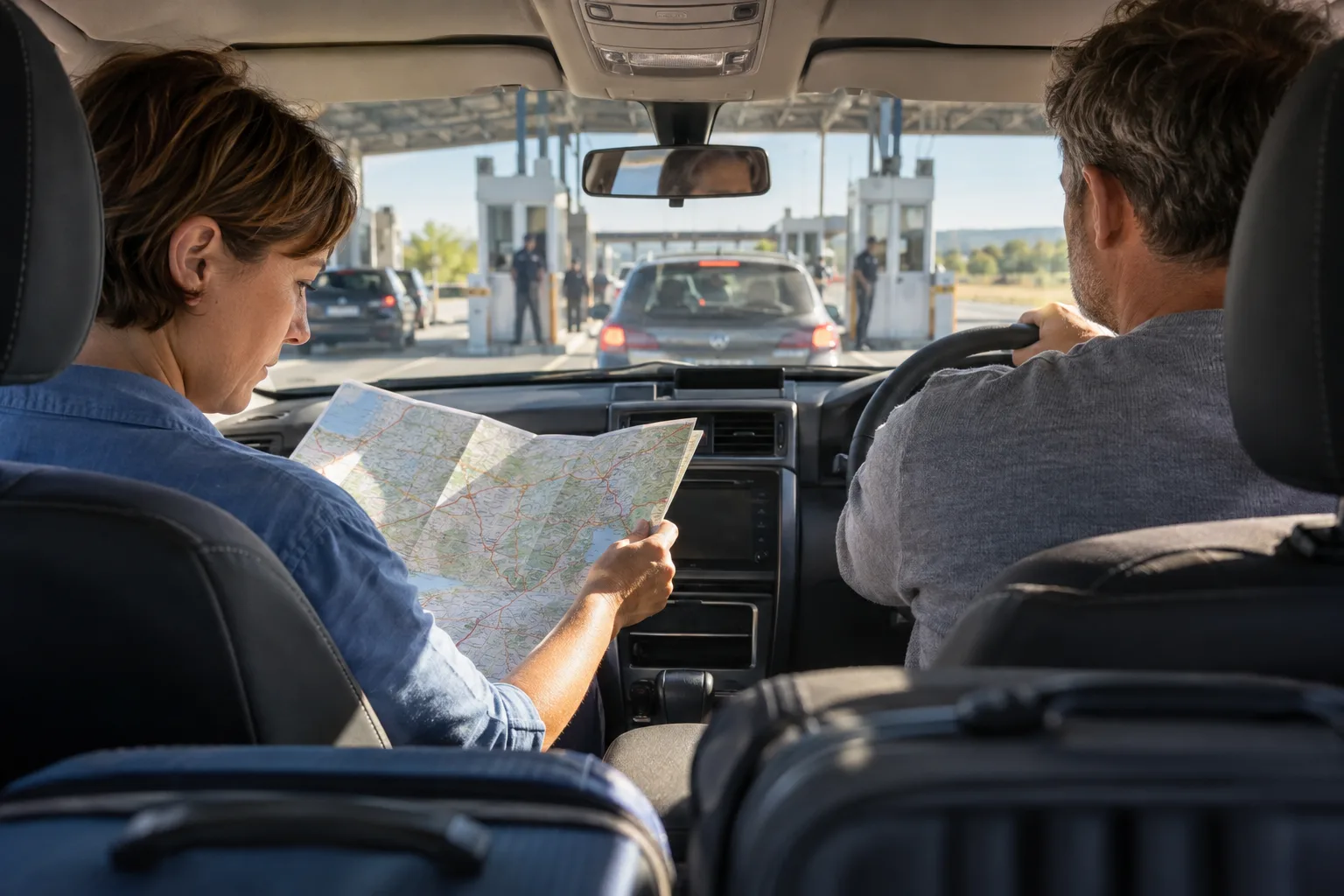
A common planning mistake is checking the overnight stops but leaving the connecting roads to someone else. Ask for border crossings by name and for the intended route through any area close to a warning boundary. An itinerary labelled simply “Mexico to Guatemala transfer” is not detailed enough to assess against the UK advice.
Another mistake is treating a holiday activity as automatically insured because it is sold by a tour company. If your plans include volcano walking or other adventure activities, check the policy’s activity definitions, altitude limits and emergency assistance provisions. The FCDO recommends cover that matches the itinerary, planned activities and possible emergency costs.
Useful help on the ground
The US advisory describes Guatemala’s ASISTUR tourist assistance programme, which works with tourist police in destinations including Antigua, Lake Atitlán and Tikal. It lists a Spanish- and English-speaking emergency call centre and WhatsApp contact at +502 5188 1819. Save the contact before travelling and check it again near departure.
The same US advice imposes restrictions on its own government employees, including avoiding driving outside Guatemala City at night and not using white taxis or public transport such as “chicken buses”. These are employee rules, not legal prohibitions on British tourists, but they provide useful context when weighing transport options and arrival times.
What happens next
The next step for anyone considering a booking is to build a usable route plan. List accommodation addresses, airports, land crossings and excursions, then compare the journey with the warning map. If a transfer is arranged separately from your main holiday, include it in the same review rather than treating it as an administrative afterthought.
Ask the operator what happens if conditions change: who chooses an alternative route, whether a missed stop can be replaced, and which extra costs you might face. For independently booked trips, check the cancellation terms of each component. A travel warning does not, by itself, establish that every separate booking will be refunded.
Once booked, sign up for FCDO email alerts and revisit the advice before departure and before any cross-border leg. Keep your insurer’s emergency assistance number available offline, alongside the policy number and accommodation details. Our practical sustainable travel checks also help when questioning operators about how a tour is run, rather than relying on its sales description.
For travellers already in Guatemala, an affected onward route deserves a conversation with the operator and insurer before setting off. Ask whether a suitable alternative is available and what it means for your cover. The sensible response is to resolve a specific itinerary problem, not assume either that the whole country is off-limits or that a short transit cannot matter.
Related: Albania protest alert: what Tirana visitors need to know
Why this matters
For UK holidaymakers, the costliest oversight could be a perfectly ordinary-looking transfer that enters an area excluded by their insurance. Check the complete journey before committing money, ask operators to name crossings and routes, and get cover questions answered in writing. Families and groups should also agree who holds the emergency contacts and booking documents. Our guide to planning holidays with friends and children is useful for dividing those responsibilities without leaving important decisions to the last minute.
From Before You Book Travel · Sponsor
Plan your trip with Becky
Tell Becky where you're dreaming of and she'll come back with a personalised holiday plan. No obligation, and no call centre.
Common questions
- is Guatemala safe to visit for UK tourists?
- The UK does not advise against holidays throughout Guatemala, but it discourages non-essential travel to specified areas. No trip is guaranteed safe; check the full advice, your route and insurance before booking.
- which parts of Guatemala does the UK advise against visiting?
- The warning covers a 5km Mexican border strip from the Pacific coast through the Gracias a Dios crossing, plus Santa Ana Huista, San Antonio Huista and La Democracia in Huehuetenango.
- are Antigua, Lake Atitlán and Tikal covered by the UK warning?
- These destinations are not named in the UK’s geographical warning described here. You should still check wider safety advice and the roads, transfers and excursions included in your holiday.
- will travel insurance cover a holiday to Guatemala?
- Cover depends on your policy, itinerary and activities. Travelling against FCDO advice could invalidate insurance, so ask your insurer to confirm cover for the complete route in writing.
- when was the UK Guatemala travel advice last updated?
- The advice current on 14 October 2026 was last updated on 13 August 2026. That update removed information about Fuego volcanic activity from the warnings and insurance page.
- why is US travel advice for Guatemala different from UK advice?
- The governments use different advisory systems and identify different geographical areas. The US advice names whole departments among its higher-risk areas, while the UK warning specifies a border strip and three towns.
- is there English-speaking tourist assistance in Guatemala?
- Yes. The US advisory describes ASISTUR’s emergency call centre as operating in English and Spanish. It lists WhatsApp contact at +502 5188 1819; check the details again before departure.
Sources
- GOV.UK Foreign Travel Advice: Guatemala travel advice - GOV.UK
- livinginguatemala.com: Guatemala Travel Advice: UK FCDO vs Canada vs US State Department, Side by Side
This article was written by Before You Book using the sources listed above. Product mentions are editorial unless clearly marked as sponsored.