Holiday News
Italy travel warning: UK FCDO keeps protest alert for visitors
The UK’s Italy travel advice still flags violent protests and urges visitors to avoid demonstrations and check for transport disruption.
By the Before You Book Editorial Team
Published · Updated · 6 min read
Quick answerYes, you can still travel to Italy, but the UK’s FCDO continues to warn about protests that have turned violent in some cities. Travellers should avoid demonstrations, follow police instructions and expect short‑notice transport disruption.
Timeline
October 2026
Italian government announces emergency measures aimed at curbing violent disorder at protests.
Late October 2026
Large demonstrations occur across cities including Rome, Milan, Naples, Turin and Bologna.
Last Saturday
Parts of the Colosseum area are locked down after protesters enter; police secure the vicinity.
Friday
Armoured vehicles are positioned near the Colosseum and heavy police trucks guard Circus Maximus.
Tuesday
The UK FCDO updates Italy advice, removing a strike note but retaining the protest warning.
British holidaymakers can still visit Italy, but the UK government continues to flag protest‑related risks after a spate of violent incidents in several cities. The Foreign, Commonwealth and Development Office (FCDO) has updated its advice to remove a note about a national strike, while keeping a clear warning about demonstrations that have, in places, turned ugly. Our take: Italy remains open for tourism, but street protests can flare quickly, so plan days with extra wriggle room and steer well clear of any marches.
Over recent weeks, demonstrations tied to the cost of living, fuel prices, wages and defence spending have sparked clashes with police in parts of Rome, Milan, Naples, Turin and Bologna. Authorities in Rome have used armoured vehicles near the Colosseum and deployed heavy police trucks to protect a military exhibition at Circus Maximus. In Vicenza, at least three people were injured during confrontations, including one person reportedly struck by a tear‑gas canister.
What happened
The FCDO continues to caution about political gatherings after updating its Italy page this week. While a previous reference to a national strike has gone, the advisory keeps stronger protest language, including a reference to “violent riots and looting,” and highlights an increased security presence in Milan. The advice is designed to nudge visitors away from hotspots, not to halt trips entirely.
Rome saw some of the most visible measures: armoured vehicles deployed close to the Colosseum and a lockdown around the ancient amphitheatre after protesters entered the area on a recent Saturday. Police also ring‑fenced the nearby Circus Maximus during a military event, using large vehicles as barriers. These steps were targeted at crowd control around big symbolic sites rather than city‑wide shutdowns.
Elsewhere, major northern cities have seen rolling protests that occasionally spill onto busy streets. In Vicenza, three injuries were reported during clashes, including one from a tear‑gas canister impact. While such incidents were limited geographically, they underline why authorities and the FCDO emphasise avoiding any demonstration zones and not lingering to watch events.
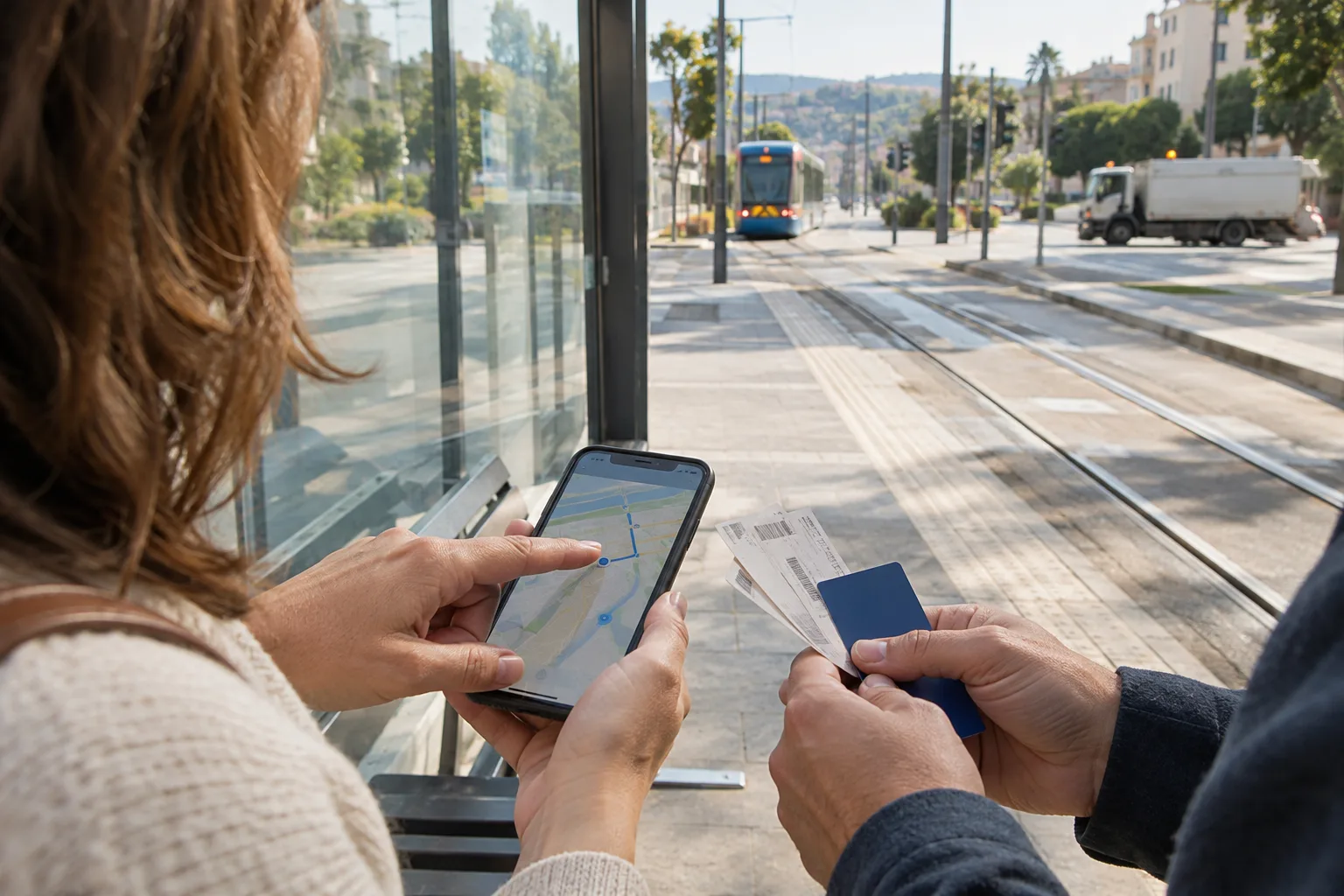
For travellers, the greatest practical risk is disruption rather than personal targeting. Marches and police cordons can force short‑notice bus and tram diversions, temporarily close metro stations, or delay airport transfers. If you’re landing late or catching an early train, build in contingency time and have a plan B for routes across the city.
Italy has not been placed on the UK’s Red List, which is the FCDO’s highest‑risk category advising against travel to a country. That matters for insurance: when there is no “advise against all but essential travel” notice, most standard policies remain valid for cancellation and medical cover linked to insured events. As always, check your specific terms for civil unrest exclusions.
The background
The current wave of demonstrations sits within broader European protests over rising living costs, stubborn fuel prices and wage pressures. Italy’s government responded in October with emergency measures aimed at curbing violent disorder, including the prospect of fines of €20,000 and prison terms of up to five years for joining groups deemed to endanger public safety. The intent is to deter organised violence, but it also leads to visible increases in police and, in some places, military presence.
Tourist sites in major Italian cities regularly operate through protests, though access may be restricted temporarily if crowds gather nearby. Recent lockdowns around the Colosseum were precautionary and localised. Museums, restaurants and hotels elsewhere in the city continued trading, but travellers in central districts should expect detours when authorities establish perimeters.
Transport is the pressure point to watch. Demonstrations can coincide with union actions or local stoppages even when no national strike is in place. City buses and trams are the first to be rerouted; suburban rail and intercity services are less likely to halt entirely but can slow if crowds gather around stations. Our earlier guide to travel disruption warnings for France, Italy and the UK explains how short‑notice alerts typically roll out and where to check on the day.
Holidaymakers heading to Rome, Milan or Naples should also remember the usual big‑city basics: keep valuables zipped and out of sight in crowded areas; use official taxis or app‑booked cars from safe pickup points; and avoid alleys or parks at night if police have diverted traffic away. Crowds attract opportunistic theft, and confusion during diversions makes distraction scams easier.
Insurance and airline rights are your backstop. If a protest causes a missed flight due to blocked roads, most travel insurers will treat it as a known risk rather than a force‑majeure event, so cover varies. Check your policy for “civil commotion” wording. If a flight is cancelled or heavily delayed, UK law sets out clear entitlements; our explainer on Ryanair and easyJet cancellations and your rights details compensation and duty‑of‑care rules.
What people are saying
The FCDO’s public line is cautious: avoid protests, follow local instructions and do not stop to film or photograph disorder. Its page notes reports of “violent riots and looting” and flags a more visible security posture in Milan. That aligns with what visitors on the ground have experienced: occasional police cordons, redirected buses and, on protest days, faster‑than‑usual museum security checks.
Travel specialists typically suggest keeping flexible, cancellable rates for the first night in a big city during volatile periods, in case your arrival is delayed. Booking cancellable airport transfers can reduce stress if streets are sealed. Always keep offline maps downloaded so your satnav works even if mobile data falters in dense crowds.
Industry bodies also advise monitoring official city channels on the day rather than relying on social media rumour. Hotels often receive advance notice of marches planned to pass nearby; ask reception each morning whether any routes will affect your plans. If you encounter a protest unexpectedly, the safest move is to change direction calmly and head to a well‑lit main street or metro station (if open) away from any confrontation lines.
For those heading to Italy in the coming months, routine travel admin still applies. Make sure your passport meets Schengen validity rules, and give yourself extra time at the border during busy windows. If you’re anxious about new EU border systems, our guide on how to check your EES status online and fix errors explains what UK travellers should know as checks bed in.
Budgeting remains relevant too. Cities such as Rome, Florence and Venice levy local tourist taxes collected by hotels and guesthouses, usually payable in cash. It’s not linked to protests, but it is one of those small line‑items that catches travellers out; see our round‑up of tourist taxes in 2026 and what UK travellers will pay for current ranges and exemptions.
What happens next
Expect the FCDO to keep its protest language in place until the pattern of demonstrations clearly ebbs. Advice pages change quickly when transport strikes or large marches are announced, so check again the day before you fly and on the morning of any intercity travel. We rate this as a vigilance issue rather than a reason to cancel holidays.
If you are building an itinerary, plan museum entries early in the day and leave outdoor sights for windows when marches are least likely to pass through. Keep emergency numbers saved, carry a credit card plus some cash in separate pockets, and avoid any crowd where fireworks, flares or masked individuals appear. For moving around protest‑prone centres, the metro (when open) can be more reliable than surface buses that are easily diverted.
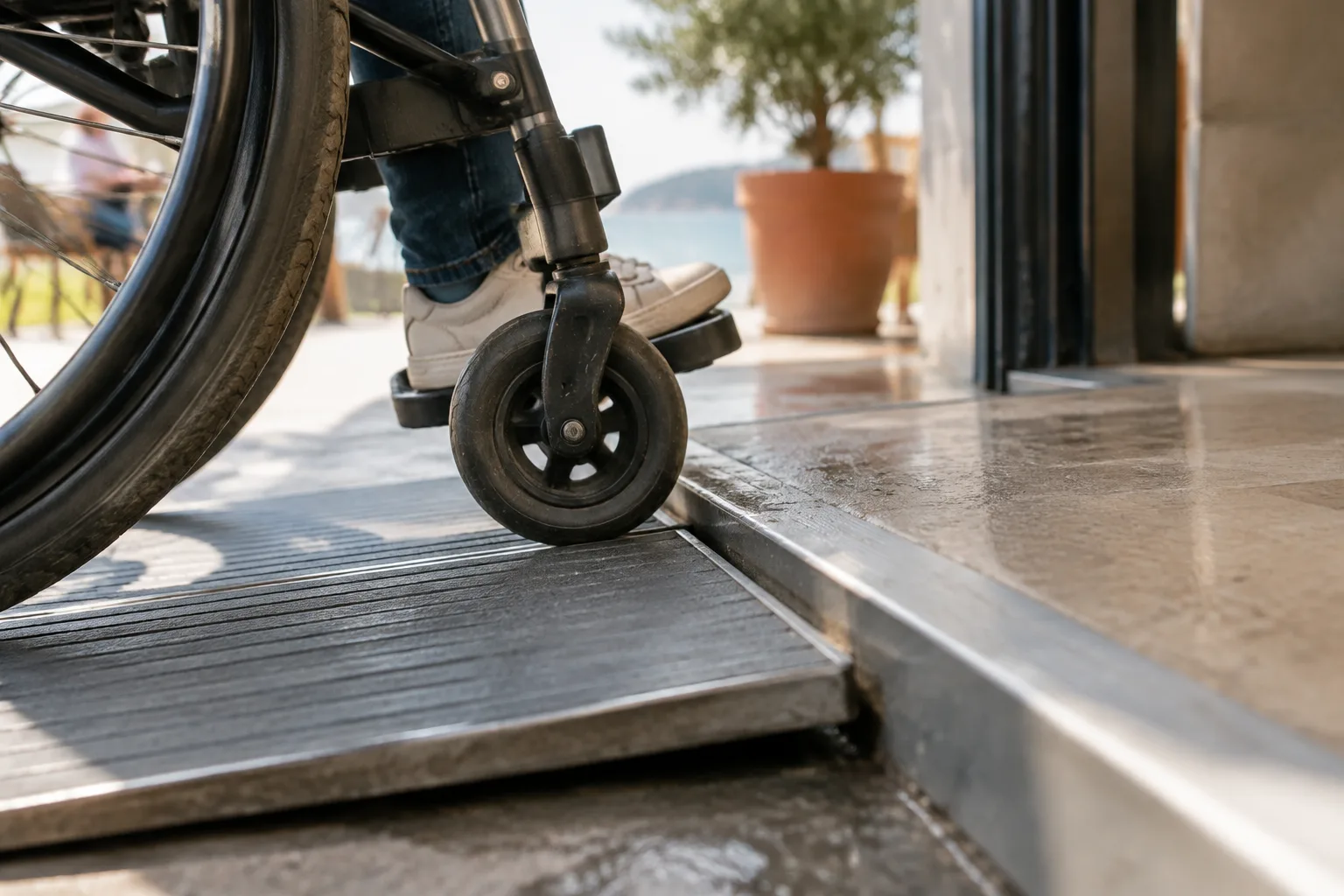
Finally, if you rely on accessibility assistance or travel with young children, call attractions 24 hours ahead to confirm step‑free routes or pram access when diversions are in place. Consider flexible rail fares on protest days so you can switch to a later train without penalty. If uncertainty makes you nervous about a same‑day airport run, an airport hotel the night before can be cheap peace of mind compared with a missed flight.
Italy’s culture, food and winter sun continue to draw UK travellers, and most trips run perfectly smoothly. With a sensible buffer in your plans and a hard pass on any political gatherings, your city break or countryside escape should be business as usual.
Related: Is Manchester accessible for wheelchair users? The pitfalls
Why this matters
For UK travellers, the practical risk in Italy is short‑notice disruption, not a blanket shutdown. Build buffers into transfers, ask hotels about march routes, and avoid protest areas entirely. Check your insurance wording on civil unrest, keep flexible bookings where possible and review FCDO updates on travel days. Our guide to travel disruption warnings for France, Italy and the UK explains how to track changes.
From Before You Book Travel · Sponsor
Plan your trip with Becky
Tell Becky where you're dreaming of and she'll come back with a personalised holiday plan. No obligation, and no call centre.
Common questions
- is it safe to travel to italy right now
- Yes. The UK has not advised against travel to Italy, but it warns about protests that have turned violent in some cities. Avoid demonstrations and follow police advice.
- what does the fcdo say about protests in italy
- The FCDO warns of protests that have, in places, involved “violent riots and looting,” and notes heavier police and military presence in some cities like Milan.
- which italian cities have seen protests recently
- Recent demonstrations have been reported in Rome, Milan, Naples, Turin and Bologna, with isolated clashes and injuries in Vicenza.
- could protests disrupt transport in italy
- Yes. Marches can force short‑notice diversions, station closures or delays. Check city transport updates on the day and allow extra time.
- has italy been placed on the uk red list
- No. Italy is not on the FCDO Red List. Standard travel insurance generally remains valid, subject to your policy’s civil unrest terms.
- what new measures has italy introduced around protests
- In October, the government announced emergency measures, including fines up to €20,000 and prison terms up to five years for groups endangering public safety.
- are tourist sites like the colosseum affected
- They can be temporarily restricted if protests occur nearby. Recently, the Colosseum area saw lockdown measures during a protest, but wider city attractions stayed open.
- what should travellers do if they encounter a protest
- Leave the area promptly, follow police instructions, and do not stop to watch or film disorder. Re‑route using main streets or open metro lines.
Sources
- The Independent Travel: UK keeps travel warning for Italy amid 'violent riots and looting' | The Independent
- the-independent.com: Why the UK government is still warning Brits about travelling to Italy | The Independent
This article was written by Before You Book using the sources listed above. Product mentions are editorial unless clearly marked as sponsored.