Holiday News
ID for travel between the UK and Ireland updated
UK travel advice now spells out ID rules for UK–Ireland trips under the Common Travel Area. Here’s what changes – and what to carry.
By the Before You Book Editorial Team
Published · Updated · 6 min read
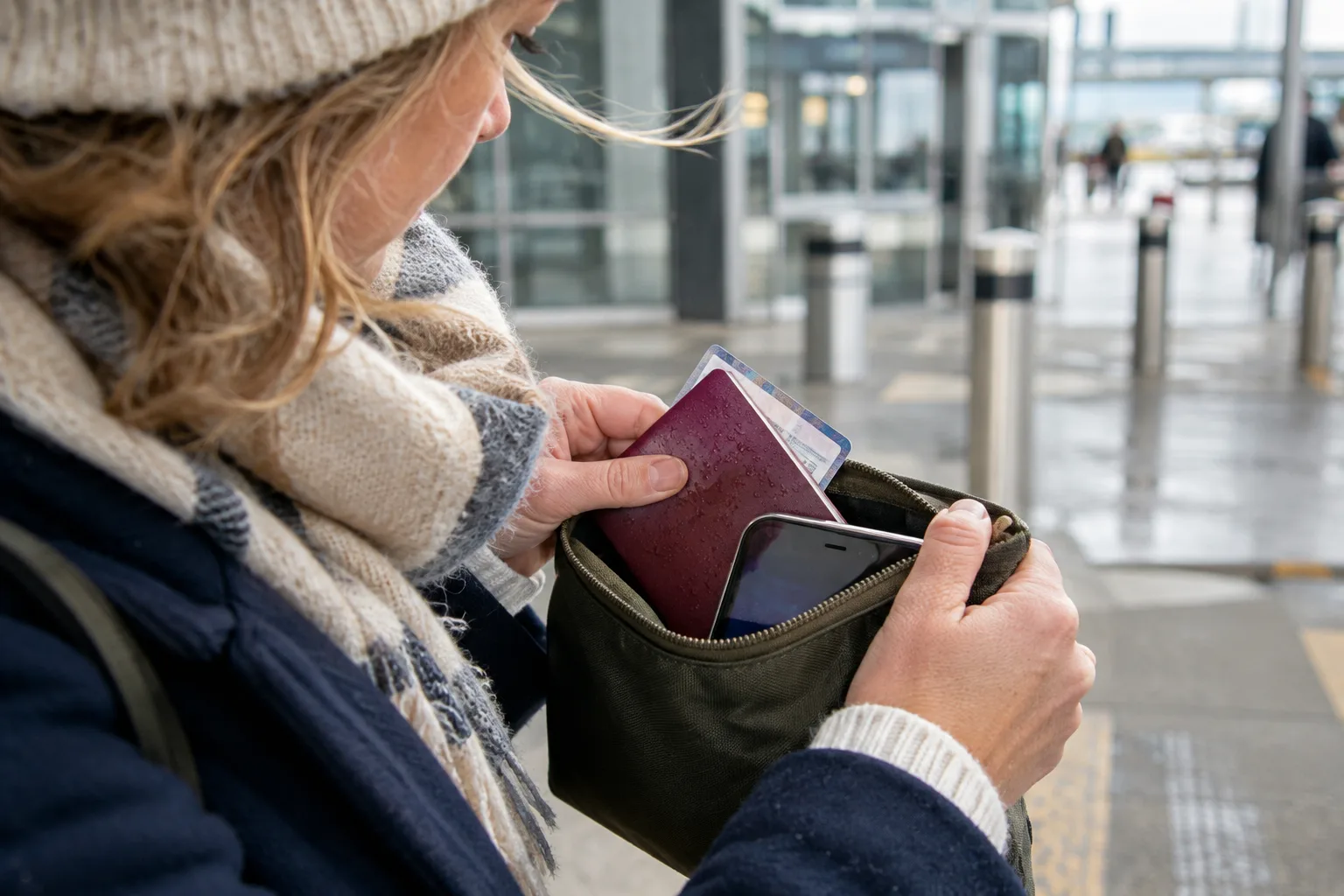
Quick answerYou can travel in the Common Travel Area without a passport in theory, but airlines and ferries usually demand valid photo ID. The UK government has clarified ID rules for UK–Ireland trips and urges travellers to check their carrier’s requirements.
Timeline
1922
Origins of the Common Travel Area date to the Irish Free State era.
2019
UK and Ireland reaffirm CTA free movement for British and Irish citizens.
March 2026
UK and Irish leaders agree to expand immigration data sharing to protect CTA.
4 September 2026
UK updates Ireland travel advice to add ID requirements for CTA travel.
7 November 2026
Advice remains current as of this date.
The UK has refreshed its official guidance on travelling to Ireland, adding clearer wording about what identification you need when moving between the two countries under the Common Travel Area. For British and Irish citizens the principle hasn’t changed: you can move freely within the zone. The practical reality, however, is that most airlines and ferry operators expect to see a passport or specific photo ID at check‑in.
For families planning half‑term in Dublin or a pre‑Christmas hop to Belfast, this is the important bit: carrier rules trump theory. The update, published on 4 September 2026, underlines what frequent travellers already know — you’ll normally be asked for a passport to board, even though border checks are limited on these routes.
What happened
The government updated its Ireland travel advice on 4 September 2026 to include explicit information on identification for travel between the UK and Ireland within the Common Travel Area (CTA). The new wording makes clear that, while British and Irish citizens enjoy free movement in principle, the ID you must show depends on your transport provider’s policy.
Airlines on UK–Ireland routes generally ask for a valid passport from all passengers, including children, regardless of nationality. Some carriers accept alternative photo ID on domestic‑style services, but policies vary by route and can change seasonally. Ferry companies also set their own rules, with most now requiring passports or defined photo ID for adult passengers and appropriate documents for under‑18s.
At the land border between Northern Ireland and Ireland there are no routine frontier controls. That does not remove the obligation to carry the identification your carrier requires for the UK or Ireland leg of your journey, nor does it change the immigration rules that apply to non‑British/Irish citizens elsewhere on the route.
For travellers who are not British or Irish citizens, normal entry rules apply. You need a passport and, where required, a UK or Irish visa that is valid for your journey. A joint British–Irish visitor visa scheme exists for certain Indian and Chinese nationals on short trips, but there is no general visa‑free movement for other nationalities under the CTA.
We rate the update as helpful housekeeping that reduces last‑minute surprises at the gate. But it also reflects today’s reality: carriers have near‑universal ID checks on these routes, and the days of reliably flying with no passport because “it’s only Ireland” are over.
What to carry in practice
- Passport: the most widely accepted form of ID for flights and ferries both ways. This remains our pick for simplicity, especially with children in the party.
- Alternative photo ID: on a minority of ferries and some routes, a driving licence or other photo ID may be accepted for British and Irish citizens. Always confirm the exact document list with your operator before you book.
- Documents for children: carriers usually require passports for under‑18s. Some may request consent paperwork when a child travels with one parent or without parents.
If you’re building a multi‑stop itinerary, remember that ID accepted by a ferry might not be enough for your connecting flight, and vice versa. For wider planning tips, see our guide to accessible travel support at airports and ports and our explainer on standby tickets and what still exists.
The background
The Common Travel Area covers the UK and Ireland (plus the Isle of Man and the Channel Islands). It has existed in various forms since 1922 and allows British and Irish citizens to move between the two countries without routine immigration checks. A 2019 agreement restated that free movement principle and confirmed reciprocal rights to live and work.
In practice, journeys by air and sea are subject to carrier ID rules and periodic immigration controls on arrival, particularly for arrivals into Ireland from Great Britain. Most transport operators now require passports from all passengers on these routes, which is why real‑world travel feels different from the underlying policy.
For the land border on the island of Ireland, there are no fixed checkpoints. Instead, both governments use behind‑the‑scenes cooperation and occasional internal operations to deter ineligible travel. In March 2026 the UK Prime Minister and the Irish Taoiseach agreed to expand data sharing to prevent what they called the “abuse of CTA free movement by those not entitled to its benefits”.
These controls focus on non‑British/Irish citizens, because the CTA does not give third‑country nationals a shortcut. With limited exceptions, there is no mutual recognition of UK and Irish visas. If you need a visa for one jurisdiction, you cannot assume you can visit the other without meeting its own rules.
For a sense of how entry policies evolve elsewhere, compare this with recent changes such as Bulgaria’s new EES rules for UK visitors and destination‑specific updates like Madagascar’s Ebola‑related entry checks. The consistent lesson: always verify the latest carrier and border requirements before you travel.
What people are saying
Airlines and ferry companies have steadily tightened ID checks on UK–Ireland routes over the past decade, citing security, safeguarding of minors, and the need for consistent boarding procedures. Industry practice now assumes a passport is the default document, even for British and Irish citizens.
Travel specialists recommend three simple habits. First, treat UK–Ireland journeys like any international trip and carry passports for everyone in your group. Second, cross‑check each leg against your carrier’s current ID list before you click buy, as rules can differ by route and booking channel. Third, pack supporting paperwork for children travelling without both parents, which some operators ask to see at the gate.
Consumer bodies frequently hear from travellers turned away at ports for assuming a driving licence would do. The common mistakes are booking on a route that requires passports and overlooking that policies can be stricter during peak periods. We also see confusion among non‑British/Irish residents who hold UK visas: those permissions do not automatically allow entry to Ireland.
If you’re weighing up a festive city break, our team still rates Ireland as one of the easiest quick trips from Britain, provided you follow the carrier’s ID guidance. For seasonal planning across Europe, see our pick of the cheapest Christmas markets to book this year, and, if flying, refresh your rights with our guide to UK flight delays and cancellations.
What happens next
We do not expect the principle of passport‑free movement for British and Irish citizens within the Common Travel Area to change. What will continue to evolve are carrier policies and the practicalities of document checks at ports and airports, which can tighten in response to security assessments and safeguarding guidance.
For non‑British/Irish nationals, the existing framework remains in place: follow normal passport and visa rules for the UK or Ireland, unless you qualify for the limited joint visitor visa scheme for certain nationalities. Expect ongoing UK–Ireland cooperation, including enhanced data sharing agreed in March 2026, to focus on those who try to use CTA routes without the right to do so.
From a traveller’s point of view, the smart move is to default to passports for flights and ferries, verify ID rules at booking, and re‑check a week before departure in case your carrier updates its policy. If your plans involve multiple jurisdictions, allow extra time at connections and keep documents handy. For wider disruption planning across Europe, our round‑up of current travel warnings and strike risks is updated regularly.
Related: St Helena, Ascension and Tristan da Cunha travel advice updated
Why this matters
Plenty of UK travellers still assume they can hop to Ireland without ID. The latest guidance confirms carriers usually require passports, even within the Common Travel Area. Before you book, check your airline or ferry’s document list, sort children’s papers, and confirm visa needs if you’re not a British or Irish citizen. For other evolving entry rules, see our guide to Bulgaria’s new border checks.
From Before You Book Travel · Sponsor
Plan your trip with Becky
Tell Becky where you're dreaming of and she'll come back with a personalised holiday plan. No obligation, and no call centre.
Common questions
- do i need a passport to fly to ireland from the uk
- Usually yes. Most airlines require a valid passport for UK–Ireland flights, even for British and Irish citizens. Check your carrier’s ID policy before booking.
- can i travel from the uk to ireland with just a driving licence
- Sometimes on certain ferry routes, but not reliably on flights. Most operators now insist on a passport or specific photo ID. Confirm your route’s rules directly with the carrier.
- is there border control between northern ireland and ireland
- There are no routine frontier controls on the land border. However, carriers and authorities conduct ID and immigration checks elsewhere on the journey when required.
- do non‑british or non‑irish citizens need a visa to visit ireland from the uk
- Normal rules apply. Many nationalities need an Irish visa regardless of UK status. A limited joint visitor visa exists for eligible Indian and Chinese nationals.
- what id do children need for uk–ireland travel
- Airlines typically require a child’s passport. Some operators may also ask for consent documents when a child travels with one parent or without parents.
- can i board a ferry to ireland without a passport
- Most ferry companies require a passport or specified photo ID. Policies vary by operator and route, so check your sailing’s exact ID list before travel.
- does my uk visa let me enter ireland without an irish visa
- Not usually. UK and Irish visas are separate for most nationalities. Unless you qualify under the joint visitor visa scheme, you’ll need an Irish visa if required.
- is common travel area travel really passport‑free for brits and irish
- In principle yes, but in practice carriers nearly always require photo ID and usually a passport. Always follow the operator’s current boarding rules.
Sources
- GOV.UK Foreign Travel Advice: Ireland travel advice - GOV.UK
- commonslibrary.parliament.uk: The Common Travel Area and the special status of Irish citizens in the UK - House of Commons Library
- GOV.UK Foreign Travel Advice: Iceland travel advice - GOV.UK
This article was written by Before You Book using the sources listed above. Product mentions are editorial unless clearly marked as sponsored.