Holiday News
Armenia travel advice update: what UK visitors must know
FCDO adds new entry guidance for the Iran land border and keeps strict warnings for Armenia’s east. Here’s what that means for UK trips.
By the Before You Book Editorial Team
Published · Updated · 6 min read
Quick answerThe UK government updated its Armenia travel advice on 1 March 2026, adding new guidance on entering via the Iran land border. It continues to advise against travel near the Azerbaijan frontier and along the M16/H26 between Ijevan and Noyemberyan.
Timeline
10 December 2025
FCDO added information for dual nationals returning to the UK.
17 February 2026
FCDO reviewed Armenia advice; no significant changes reported.
1 March 2026
FCDO added new details on entering Armenia via the Iran land border.
The UK government has updated its Armenia travel advice, adding new information about entering the country via the land border with Iran. The change, published on 1 March 2026, sits alongside continued warnings against travel in areas close to Azerbaijan due to tensions between the neighbours.
For UK holidaymakers planning a Caucasus trip, the headline remains caution: the frontier with Azerbaijan is closed, and the Foreign, Commonwealth & Development Office (FCDO) advises against travel within 5km of that entire eastern border. The government also advises against using the M16/H26 road between Ijevan and Noyemberyan. If your itinerary edges towards the east or northeast, you’ll need to rethink routing and check your insurance small print.
What happened
The FCDO confirmed on 1 March 2026 that it had added fresh guidance to the Entry Requirements section covering arrivals across the land border from Iran. While the detail sits within the government’s advisory pages, the practical takeaway is simple: if you are considering overland travel via Iran, check the latest rules before you set off and be ready for requirements to differ from airport arrivals.
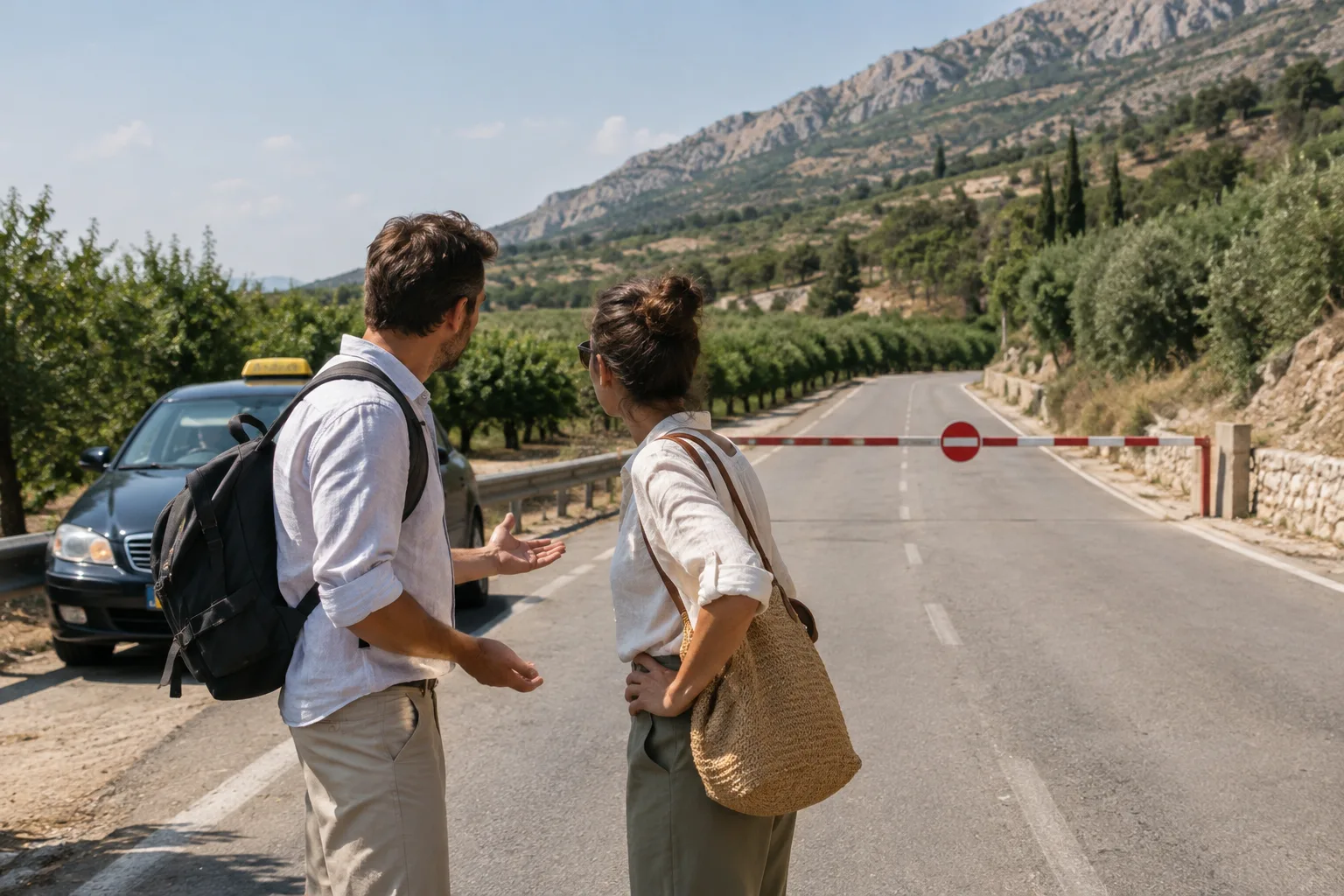
The rest of the safety picture remains strict. The Azerbaijan–Armenia border is closed to travellers, and UK officials advise against all travel within 5km of that frontier because of ongoing tensions. The same “against all travel” line applies to the M16/H26 between Ijevan and Noyemberyan, a key route that runs close to the border in the far northeast.
The advisory also restates a point with big implications for bookings: travelling against FCDO warnings can void your cover. Some policies exclude claims arising in areas where the FCDO advises against travel, which can affect medical and repatriation costs. Travellers planning complex, off‑the‑beaten‑path routes should confirm with their insurer in writing that the policy covers their exact plans.
Although Yerevan and many popular cultural sights sit well away from the eastern border, anyone combining Armenia with regional overland legs needs to plan around these red zones. In practice, that means using internal routes that avoid the 5km band along the Azerbaijan frontier and skipping the specified stretch of the M16/H26 altogether.
The background
Armenia’s border security posture is shaped by long‑running tensions with Azerbaijan. When advice reads “against all travel”, insurers and tour operators often change their own risk thresholds accordingly, which can drive itinerary tweaks or cancellations in affected corridors. That’s why seemingly narrow geography—such as a single road segment—still matters materially to your trip.
The fresh entry note for the Iran land border reflects another practical reality: overland travellers may face different checks to those arriving by air. Requirements at land posts can include document verification or opening hours constraints that don’t apply at airports, and procedures can change with little notice. The safest approach is to check official updates the week you travel and again the day before you cross.
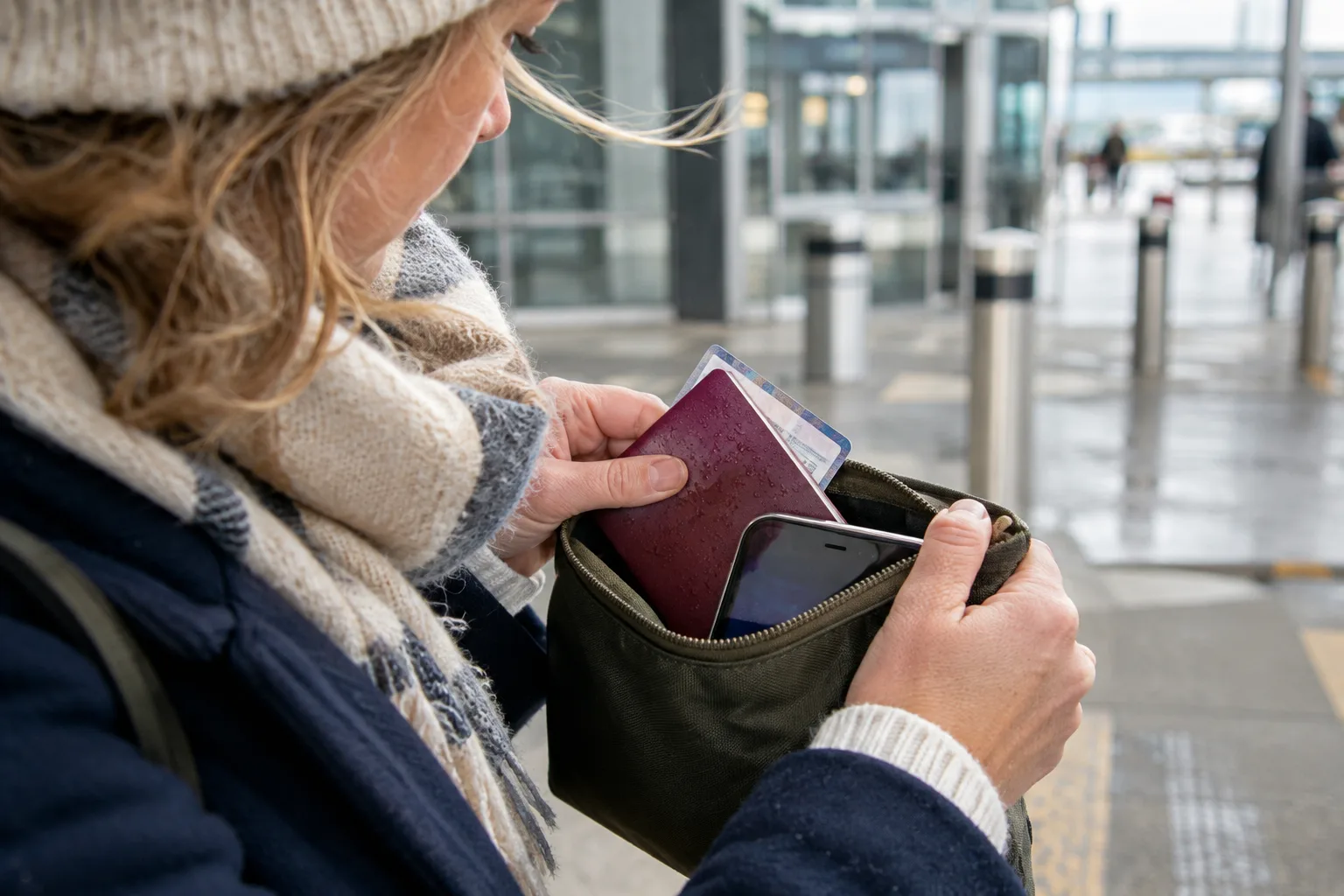
Passport validity rules are straightforward for British nationals: your passport must be valid for the duration of your stay. Airlines will turn you away if your documents don’t meet entry criteria, so confirm your airline’s requirements alongside the country’s official rules. If your passport has been reported lost or stolen—even if later found—you can be refused entry.
Insurance remains a non‑negotiable for this region. In our view, comprehensive medical cover with evacuation and repatriation is essential, with policy wording that does not exclude the specific parts of Armenia you intend to visit. If your plans involve higher‑risk activities or remote areas, buy cover that explicitly lists them. We’ve seen a similar pattern of destination‑specific requirements elsewhere this year, including new compulsory insurance rules in East Africa; our guide to Tanzania and Kenya’s mandatory travel insurance explains how insurers interpret government diktats.
For context on how quickly official positions can move, scan our recent briefings on other destinations where advice shifted suddenly. When guidance changed for Madagascar’s Ebola‑related entry checks, travellers with last‑minute itineraries needed to adjust documents within days. Likewise, our report on Pakistan’s travel advice update shows how regional nuances can affect an otherwise straightforward city break.
What people are saying
Risk experts and seasoned overlanders consistently emphasise three points for the South Caucasus. First, don’t rely on border‑adjacent shortcuts; a route that looks efficient on a map can run through an insurance exclusion zone. Second, pin your plans to the latest official text, not last month’s forum threads. Third, carry proof of medical cover that includes emergency evacuation from Armenia.
Tour operators we rate in this region typically build contingency days into itineraries in case a road closes or a land post reduces hours. Independent travellers can mimic that strategy by giving themselves slack between overland crossings and fixed activities. A buffer is especially useful if you’re planning to connect a land arrival from Iran with an onward domestic hop or a time‑sensitive excursion.
Air travel planners should do a belt‑and‑braces check on timings, too. If you’re aligning an overland entry with a same‑day departure from Yerevan, consider moving the flight to the following morning. As we’ve advised in previous pieces on airport logistics—see our guide to managing UK airport pinch‑points at half term—a generous margin is the simplest insurance against cascading delays.
While the FCDO language is cautious, that doesn’t automatically mean city‑based trips are off the cards. The key is to avoid the specified zones, map journeys conservatively and confirm that your policy will pay out where you’re actually going. As the government puts it, "Your travel insurance could be invalidated" if you go against official advice—words to treat as a bright‑red line.
What happens next
We expect the FCDO to keep Armenia under close review, especially the entry rules affecting overland arrivals. If further detail is added on procedures at the Iran border posts, that will be reflected in the official Entry Requirements page. Travellers planning spring and summer itineraries should subscribe to updates and re‑check the advice a few days before departure.
On the ground, route planning apps won’t warn you when a road lies within 5km of the Azerbaijan border. Before you lock in accommodation or car hire, compare your draft route against a current map and the FCDO’s no‑go areas. If there’s any doubt, ask your operator or hotel to confirm a compliant route and keep their written reply.
If your plans are flexible, consider keeping an air‑first approach for entry and exit until there’s greater clarity on land‑border processes. That also simplifies your documentation and limits the risk of missing onward connections. If you do fly, our explainer on what new winter routes can mean for pricing and availability offers useful pointers on timing bookings and watching for capacity shifts.
For bookings already in place, contact your insurer to reconfirm cover by postcode or GPS coordinates for any stays in eastern or northeastern Armenia. If your route is affected by the M16/H26 restriction, request a written endorsement for your new plan after you re‑route. If your provider won’t cover a necessary change, you may need to switch insurers before you travel.
Finally, keep paperwork tidy: passport valid for the full stay, printed or offline copies of your policy, and confirmations for any overland legs via Iran. If something changes mid‑trip, documented evidence of your compliance makes airline, insurer and consular conversations far easier.
Related: Italy travel warning: UK FCDO keeps protest alert for visitors
Why this matters
For UK travellers eyeing the Caucasus, this update means checking routes and insurance with extra care. Avoid the Azerbaijan border zone and the M16/H26, and confirm your policy covers your exact itinerary. If you plan to arrive overland via Iran, recheck entry rules just before travel and keep proof of insurance and bookings handy. For wider context on shifting rules, see our guide to how to check your EES status online, which explains dealing with changing border systems.
From Before You Book Travel · Sponsor
Plan your trip with Becky
Tell Becky where you're dreaming of and she'll come back with a personalised holiday plan. No obligation, and no call centre.
Common questions
- what changed in the armenia travel advice on 1 march 2026
- The UK government added new guidance on entering Armenia via the land border from Iran. All other key cautions, including no‑go areas near Azerbaijan, remain in place.
- is it safe to travel near the armenia azerbaijan border
- No. The FCDO advises against all travel within 5km of the entire eastern border with Azerbaijan due to ongoing tensions.
- can i drive the m16 h26 road between ijevan and noyemberyan
- No. The FCDO advises against all travel along the M16/H26 between Ijevan and Noyemberyan because of border tensions.
- is the armenia azerbaijan border open for tourists
- No. The border between Armenia and Azerbaijan remains closed to travellers, and the UK advises against travel near it.
- can i enter armenia overland from iran
- Possibly, but check the latest rules. The FCDO added new information on land entry from Iran on 1 March 2026; requirements can differ from air arrivals.
- will my travel insurance be valid if i visit armenia
- Yes, if you stay within FCDO‑permitted areas. Travelling against advice can invalidate cover, particularly for medical and repatriation claims.
- how long must my passport be valid for armenia
- For British nationals, your passport must be valid for the duration of your stay. Airlines can refuse boarding if documents don’t meet requirements.
- should i fly into yerevan or go overland
- Flying is simpler for most travellers. Overland entries may have different procedures; if you do go by land, recheck the rules close to travel.
Sources
- GOV.UK Foreign Travel Advice: Armenia travel advice - GOV.UK
- travelrulescheck.com: Armenia travel advice: FCDO status and latest update (1 March 2026) | TravelRulesCheck
- The Independent Travel: What you need to know about bomb threats disrupting flights across Europe | The Independent
This article was written by Before You Book using the sources listed above. Product mentions are editorial unless clearly marked as sponsored.