Holiday News
Malawi foreign currency rules updated in FCDO travel advice
UK travel advice for Malawi now includes updated foreign currency rules. Here’s what UK holidaymakers should know before flying.
By the Before You Book Editorial Team
Published · Updated · 6 min read
Quick answerThe UK’s FCDO has updated its Malawi travel advice with new information on foreign currency rules under ‘Entry requirements’. If you’re carrying cash, check the latest rules before you travel.
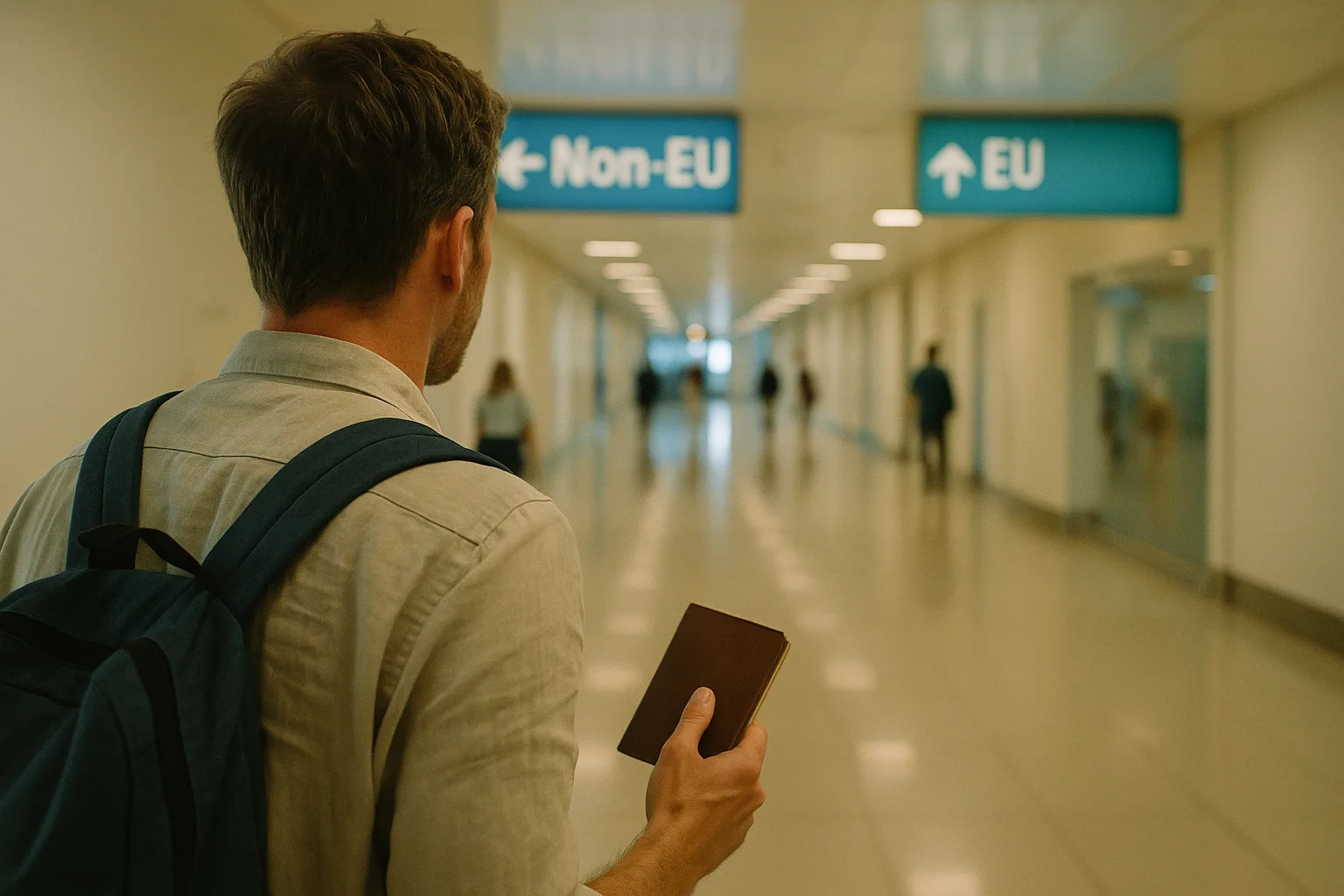
British travellers heading to Malawi are being urged to check money rules after the UK government updated its travel advice with new information on foreign currency under ‘Entry requirements’. The change, dated 20 October 2026, matters for anyone planning to bring cash in or out of the country.
The Foreign, Commonwealth & Development Office (FCDO) flagged the revision as “New information about foreign currency rules” and confirmed the page remained current on 23 October 2026. For holidaymakers, that translates to a simple action: review the cash-carrying and declaration guidance before you pack your wallet.
What happened
The FCDO updated its Malawi country page on 20 October 2026, specifically adding fresh detail about how foreign currency is treated at the border, within the ‘Entry requirements’ section. While entry policies can change without long notice, this update signals that cash handling is under closer scrutiny for arrivals and departures.
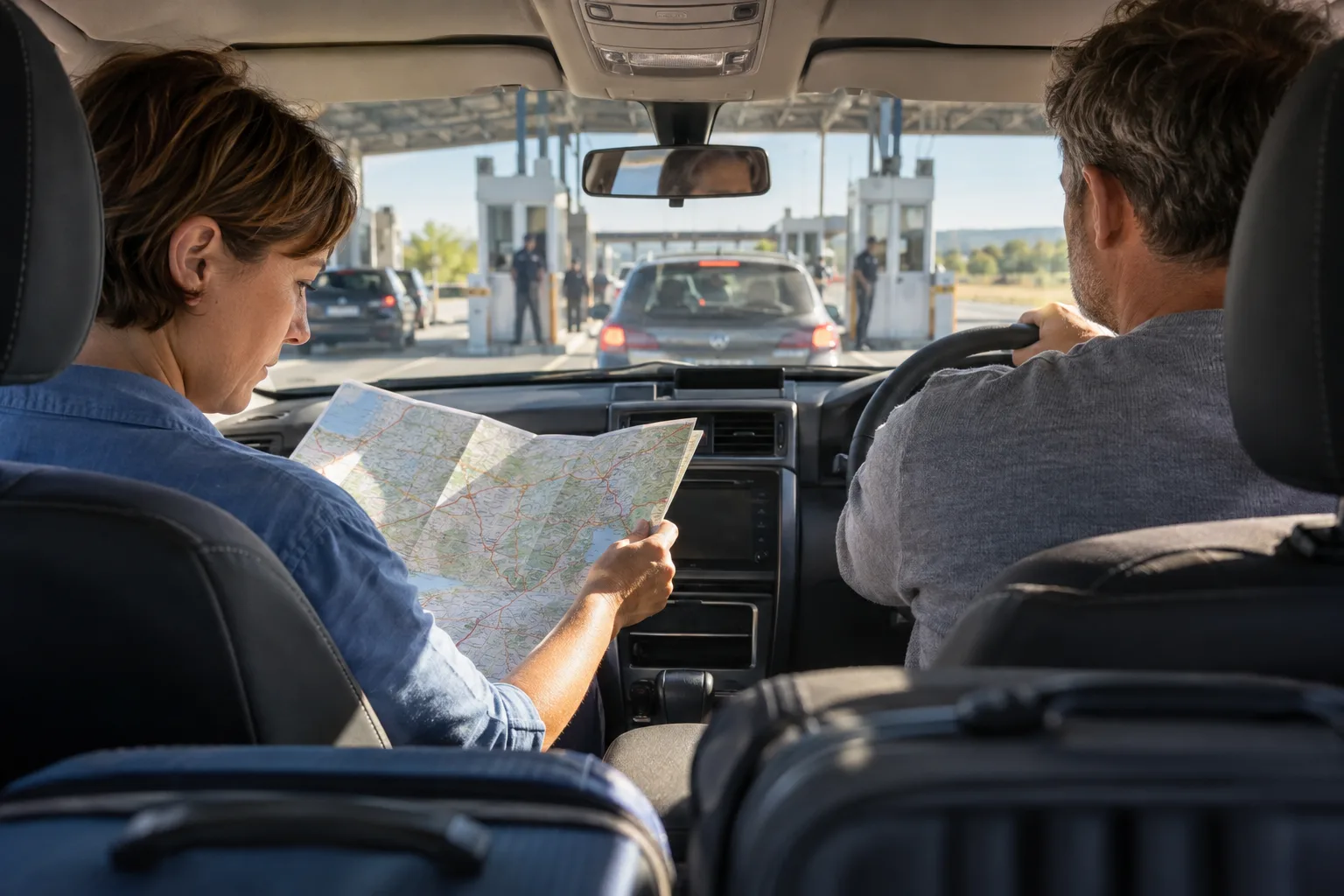
Border authorities worldwide commonly require travellers to declare cash above a set threshold, and the revised guidance indicates UK visitors to Malawi should pay attention to how much they carry and how it’s documented. If you’re travelling with a mix of pounds, dollars, euros or other currencies, the declaration process may count the combined amount, so plan accordingly.
Tour operators and airlines sometimes ask passengers about cash at check‑in when destination rules tighten. If you’re travelling on a package holiday, your operator should brief you on current requirements and any forms you might need to complete in advance. Independent travellers should allow extra time on arrival and keep any exchange receipts handy in case officials ask for proof of source.
We rate this kind of update as important housekeeping: it rarely changes your trip plans, but it can change what you pack and how you present funds at the border. If you get it wrong, the risks include delays, confiscation of undeclared sums or fines—issues that can derail a first day’s itinerary.
For broader context on recent government travel updates and how they affect trip prep, see our pieces on the Maldives travel advice update: swimming safety and flights and UAE travel advice: what Dubai holidaymakers need to check, both of which show how small changes can have practical consequences for UK travellers.
The background
Foreign currency rules exist to curb money laundering and protect domestic financial systems, and many countries enforce them strictly at airports and land borders. Typical frameworks require a declaration when carrying cash over a specified limit, sometimes counting all currencies added together. Travellers can usually bring more than the limit as long as they declare it correctly when asked.
In practice, holidaymakers carry cash for tips, small purchases and contingencies where cards may not be accepted. That’s sensible, but carrying large sums raises administrative and security considerations. A simple way to stay on the right side of the rules is to limit the amount of physical cash, split funds between travellers in a group when permitted, and keep clear records of where your money came from.
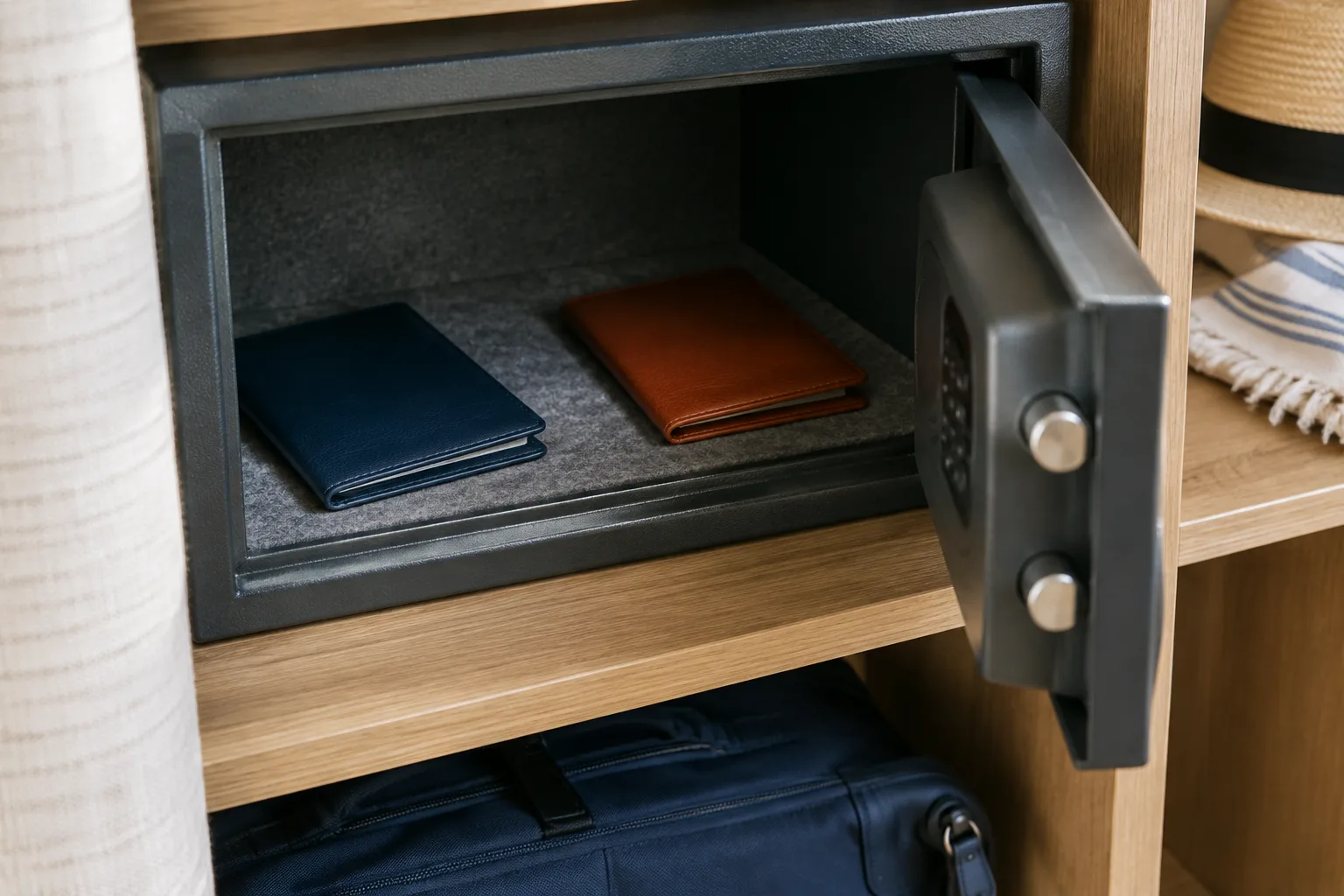
Receipts from currency exchange, bank withdrawal slips and a simple written tally can all help if an official asks questions. Keeping originals together with your passport makes life simpler at passport control or customs. If you exchange money after arrival, use official banks or licensed bureaux and keep every receipt until you depart.
Digital payments can take some pressure off. Prepaid travel cards and credit cards help reduce the need to carry large amounts of cash, and many card issuers offer emergency support if a card is lost or retained. Before you leave, tell your bank you’re travelling to reduce the risk of an anti‑fraud block on first use.
On the insurance side, policies often cap cover for cash losses at relatively low amounts compared with the total sum insured. That’s another reason to minimise physical cash in your luggage or daypack. We recommend checking your schedule of benefits and raising cover levels if your provider allows it—small tweaks can be inexpensive and worthwhile.
For travellers who like to be belt‑and‑braces with documentation, a printed copy of the latest entry requirements and money rules is useful. If an airline agent or official queries your plan, you’ll have the relevant wording to hand. This approach saved readers time during recent entry tweaks covered in our pieces on Guatemala travel advice: border warnings and insurance checks and Bosnia and Herzegovina travel advice: border delays warning.
What people are saying
Seasoned travellers and tour managers consistently recommend carrying only the cash you realistically need for the first 24–48 hours, then topping up using official channels. They also advise splitting funds between travellers and bags, photographing currency exchange receipts, and noting serial numbers for high‑value notes where feasible.
Consumer rights specialists highlight that customs and immigration officers have broad discretionary powers. Calmly complying with questions, having documents ready, and avoiding loose cash in multiple pockets all help speed things along. If asked to complete a declaration, fill it in carefully, keep your copy and store it with your passport until you leave.
Banking and money experts often warn against street currency deals, which risk counterfeit notes and leave no paper trail. Using a licensed bureau creates a record that dovetails neatly with declaration requirements and any future queries about funds. Where ATMs are available, withdrawing smaller amounts more frequently can also reduce the chance of carrying sums that meet declaration thresholds.
For families, the advice is to keep cash and cards with an adult at all times and to avoid putting significant funds in checked luggage, which is more vulnerable to loss or theft. Keeping a modest emergency stash separate from your main wallet can cover taxis or a first meal if your card doesn’t work initially.
Package holidaymakers should make use of their operator’s pre‑departure briefing notes. If there’s a form to complete or a receipt you’re expected to show, getting it sorted before travel takes the stress out of arrival. Independent travellers can mirror that discipline by creating a simple “money file” with copies of key documents.
For readers concerned about disruption scenarios, our guide to Ryanair and easyJet cancellations: your UK flight rights now explains what to expect if flight plans change at short notice. While not directly linked to money rules, knowing your rights helps you avoid unnecessary extra cash withdrawals during delays.
What happens next
The FCDO updates country pages as required, so more detail may follow if Malawi’s authorities refine their cash controls or documentation processes. We expect tour operators and airlines to reflect any changes in pre‑flight emails and at check‑in desks, especially if declaration forms or receipts are being checked routinely.
Our pick of next steps for travellers booking Malawi: confirm your payment plan (card plus a modest cash float), review the latest entry requirements a few days before departure, and print or save any declaration guidance. If you’re carrying a larger sum for a specialist trip, consider seeking written confirmation from your bank and keeping that letter with you.
Travel insurers may update policy wordings or FAQs to clarify cash cover and documentation expectations, so it’s worth scanning your policy’s fine print. If your holiday is part of a bigger multi‑stop itinerary in the region, repeat the same checks for each border you plan to cross.
As always, stay close to official updates in the week before you fly. We’ll track any significant changes and flag them in our Holiday News feed. For wider context on fees and on‑the‑ground costs that can affect your budget, our explainer on Tourist taxes in 2026: what UK travellers will pay now outlines the direction of travel across popular destinations.
Related: Tanzania and Kenya add mandatory travel insurance for visitors
Related: Timor‑Leste travel advice updated for dual nationals
Why this matters
Money rules are enforced at the border, and mistakes can be expensive. Before you fly to Malawi, check the latest cash declaration thresholds and what documents you should carry, confirm your insurer’s cash cover limit, and ask your tour operator for any forms. If in doubt, carry less cash and keep receipts. For broader entry prep, see our guide on How to check your EES status online — and fix errors.
From Before You Book Travel · Sponsor
Plan your trip with Becky
Tell Becky where you're dreaming of and she'll come back with a personalised holiday plan. No obligation, and no call centre.
Common questions
- what changed in malawi travel advice this week
- The FCDO updated its Malawi page on 20 October 2026 with new information on foreign currency rules under ‘Entry requirements’.
- do i need to declare cash when entering malawi
- You may need to declare larger sums. Check the latest ‘Entry requirements’ guidance for Malawi before you travel and follow any declaration instructions provided.
- how much foreign currency can i take to malawi
- Limits and declaration thresholds can change. Refer to the current Malawi ‘Entry requirements’ page shortly before travel for the exact rules.
- when was the malawi page last updated by the fcdo
- It was updated on 20 October 2026 and marked as still current on 23 October 2026.
- where can i find the malawi entry requirements
- Check the official Malawi country page under ‘Entry requirements’, which now includes updated foreign currency information.
- should i carry cash or use cards in malawi
- Carry a modest cash float and at least one card. Keep exchange receipts, and avoid travelling with large undeclared sums to reduce delays at the border.
- will airlines check how much cash i’m carrying
- Airlines and tour operators may ask about cash to comply with destination rules. Answer truthfully and be ready to show any required forms or receipts.
- does travel insurance cover my cash in malawi
- Most policies cover cash up to a limit. Check your policy’s cash limit and conditions, and consider reducing how much cash you carry.
Sources
This article was written by Before You Book using the sources listed above. Product mentions are editorial unless clearly marked as sponsored.