Holiday News
Taiwan travel advice update: FCDO refreshes health guidance
UK guidance for Taiwan now includes updated health information and renewed typhoon-season warnings for summer and early autumn trips.
By the Before You Book Editorial Team
Published · Updated · 5 min read
Quick answerThe UK has updated its Taiwan travel advice with revised health information and a fresh reminder that typhoon season disrupts travel, especially July to September. Limited consular help applies as the UK has no embassy in Taiwan.
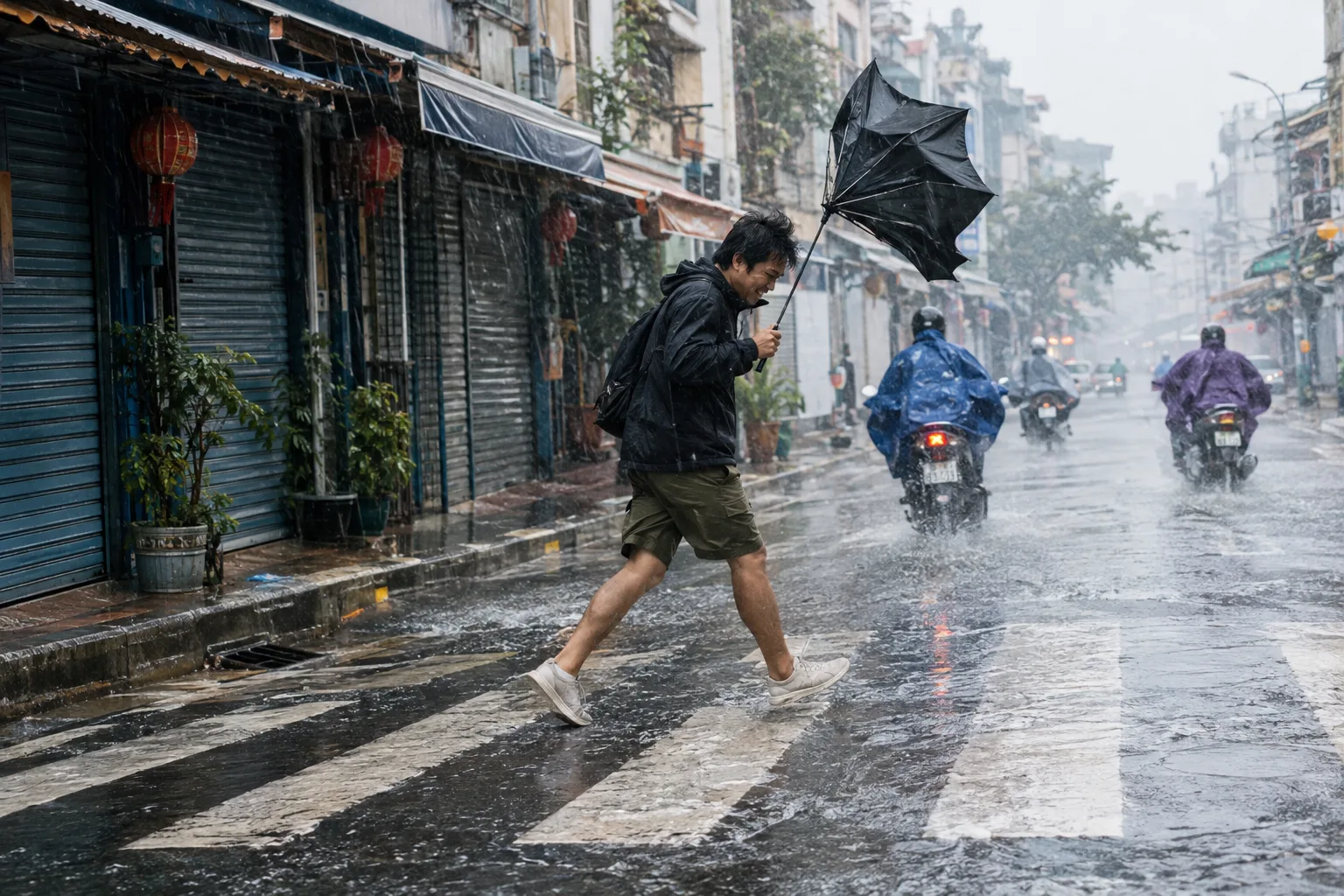
The UK has refreshed its Taiwan travel advice, highlighting updated health information and reiterating how typhoon season can upend travel plans. If you’re eyeing Taipei’s street food or the forests of Alishan, build in wiggle room: July to September is the most disruption‑prone period.
Crucially for British visitors, there is no UK embassy in Taiwan. Assistance is handled by the British Office Taipei, and support is more limited than in countries with full diplomatic relations. That extra context matters if you’re weighing up travel insurance or how you’d cope with a lost passport during a storm‑related shutdown.
What happened
The Foreign, Commonwealth & Development Office (FCDO) updated its Taiwan page on 28 August 2026, revising the section on health risks and re‑signposting key seasonal hazards. The typhoon reminder isn’t new, but it’s timely: weather systems typically start in June, ramp up through July and August, and tail off in October.
The guidance flags that transport can be cancelled or curtailed when storms hit. That applies across the board — flights, long‑distance trains, metro lines, buses and island ferries. Travellers are advised to check with their airline or operator before setting out and to expect last‑minute changes. We rate flexible fares or changeable award tickets for this window; they’re often cheaper than paying multiple change fees.
Coastal conditions are another focus. Strong swells and rip currents around Taiwan’s shores make swimming and watersports risky during weather alerts. Lifeguarded beaches may close, and some scenic coastal roads or hiking routes can be shut with short notice. If your itinerary leans outdoorsy, hold activities lightly and line up rainy‑day backups in major cities.
The update also reiterates the UK’s longstanding position on representation in Taiwan. With no formal diplomatic relations, consular help is provided on a more constrained basis than elsewhere. That won’t affect most holidays, but in an emergency — especially during typhoon‑related disruption — expect processes to take longer and prepare accordingly with good documentation and insurance.
The background
Taiwan sits in the path of Western Pacific storms, and its modern infrastructure is built to cope — but it does so by pausing services early when a typhoon warning is issued. Airports can operate on reduced schedules; rail operators may suspend high‑speed and mountain lines; and local authorities often close schools, attractions and trailheads pre‑emptively. The aim is safety first, but it can scupper a tight city‑hop or self‑drive plan.
If your trip falls in peak season (July–September), plan buffers between key stops. We suggest a late‑evening or next‑morning flight after major connections, not tight same‑day turnarounds. It’s the same principle we’ve recommended during other disruption cycles, from US ground stop chaos hitting UK travellers to airport traffic warnings during major events.
Accommodation policies matter too. Non‑refundable rates look tempting until a storm clips your dates. A semi‑flexible room with a 24–48‑hour cancellation window often saves money in real life when forecasts shift. Package holidays can be a comfort blanket here: one contract and one point of contact if everything moves at once.
From a consular angle, the UK’s approach to Taiwan is unique. The British Office Taipei can provide assistance, but the absence of full diplomatic relations means some services may be narrower than you’d expect elsewhere in Asia. Carry digital and hard copies of your passport, visa waiver (if applicable), insurance and onward tickets. If you rely on mobility assistance or medical equipment, pre‑clear needs directly with carriers and hotels — the buffer helps if systems go offline. Our step‑by‑step guide to booking airport, rail and cruise help applies well here.
What people are saying
Airlines and tour operators typically publish waivers when significant storms are forecast, allowing free rebooking within a defined window. The trick is to act early, monitor email and app notifications, and re‑route before seats dry up. If you booked through an agent, keep them looped in; if you booked direct, be ready to try multiple channels — app, web, social and phone.
Seasoned travellers to Taiwan emphasise practicalities. Download offline maps; store boarding passes and hotel confirmations locally; and keep a power bank handy for outages. If you’re flying with spare batteries, know the carry‑on rules and watt‑hour limits — our guide to packing batteries for flights has the UK rules in one place. For coastal or mountain plans, follow local closures and don’t second‑guess beach guards or park rangers; penalties and rescue costs can be steep if you ignore restrictions.
Insurance is the other big point. Look for disruption cover that includes severe weather, pays for additional accommodation and meals, and covers missed connections if a preceding leg is cancelled. Annual worldwide policies can be cost‑effective if you have multiple trips, but check Taiwan is within the geographical zone and that adventure add‑ons match your activities.
Public health advice shifts as seasons do. The FCDO’s updated health section signals that travellers should review routine vaccines, personal protective measures and any location‑specific risks before departure. Pharmacies and clinics in Taipei and other large cities are well stocked, but bringing a small kit — plasters, rehydration salts, your own prescription meds — cuts faff if a storm shutters shops for a day.
What happens next
Weather‑wise, Taiwan’s typhoon risk tapers in October but late‑season systems are possible. Travel providers will continue to adjust schedules around forecasts issued by Taiwan’s Central Weather Administration, often 24–72 hours ahead. Expect short booking windows for fee‑free changes and keep an eye on your airline’s travel alerts page.
Policy‑wise, the FCDO updates country pages as circumstances evolve. You can sign up for email alerts so changes land in your inbox rather than on the rumour mill. It’s the same sensible habit we recommend for other shifting destinations, from Nepal’s post‑flood travel guidance to Armenia’s entry and safety updates.
If you’re booking for next summer, build flexibility in now: choose fares you can move without penalties, pick hotels with reasonable cancellation terms, and schedule headline experiences early in your stay to create slack for re‑tries. If you’re travelling imminently, reconfirm everything 24 hours before departure and again on the morning you move.
Beyond travel logistics, the broader UK–Asia policy environment continues to evolve. A House of Commons committee reported on 2 November 2026 that government should bring greater coherence to engagement with China, which frames how the UK organises support across the region. For holidaymakers, the immediate takeaway is unchanged: rely on official country pages for the latest, and insure like a pragmatist.
Related: Paraguay travel advice update: protests possible, says FCDO
Why this matters
If you’re planning Taiwan, check the FCDO page again before you book and a week before you fly. Pick flexible fares and hotels, and buy insurance that covers typhoon disruption and missed connections. Save documents offline, and monitor local weather alerts once you land. For wider disruption know‑how, our advice on airport assistance and contingency planning is a useful refresher.
From Before You Book Travel · Sponsor
Plan your trip with Becky
Tell Becky where you're dreaming of and she'll come back with a personalised holiday plan. No obligation, and no call centre.
Common questions
- has the uk updated taiwan travel advice
- Yes. The FCDO updated its Taiwan guidance on 28 August 2026, refreshing the health section and reiterating typhoon‑season disruption risks.
- when is typhoon season in taiwan
- Typhoon activity can start in June, peaks from July to September, and generally eases in October, though late‑season storms can still occur.
- can typhoons disrupt flights and trains in taiwan
- Yes. Severe weather can delay or cancel flights, long‑distance trains, metro services, buses and ferries, often with short‑notice changes.
- is swimming safe during typhoon season in taiwan
- Often not. Strong swells and rip currents make coastal waters hazardous during storms, and beaches or watersports operators may close.
- what consular help can brits get in taiwan
- Support is limited. The UK has no embassy in Taiwan; assistance is provided by the British Office Taipei and may be more constrained than elsewhere.
- do i need travel insurance for taiwan
- Yes. Buy a policy that covers medical costs and severe weather disruption, including extra accommodation, rebooking and missed connections.
- how do i get official weather updates in taiwan
- Check Taiwan’s Central Weather Administration for forecasts and typhoon alerts, and monitor airline or operator travel alerts for schedule changes.
- how do i get taiwan travel advice updates by email
- Sign up for FCDO email alerts for Taiwan so you’re notified when guidance changes, instead of relying on hearsay or social media.
Sources
- GOV.UK Foreign Travel Advice: Taiwan travel advice - GOV.UK
- publications.parliament.uk: China and the UK economy: the case for risk-managed growth
This article was written by Before You Book using the sources listed above. Product mentions are editorial unless clearly marked as sponsored.