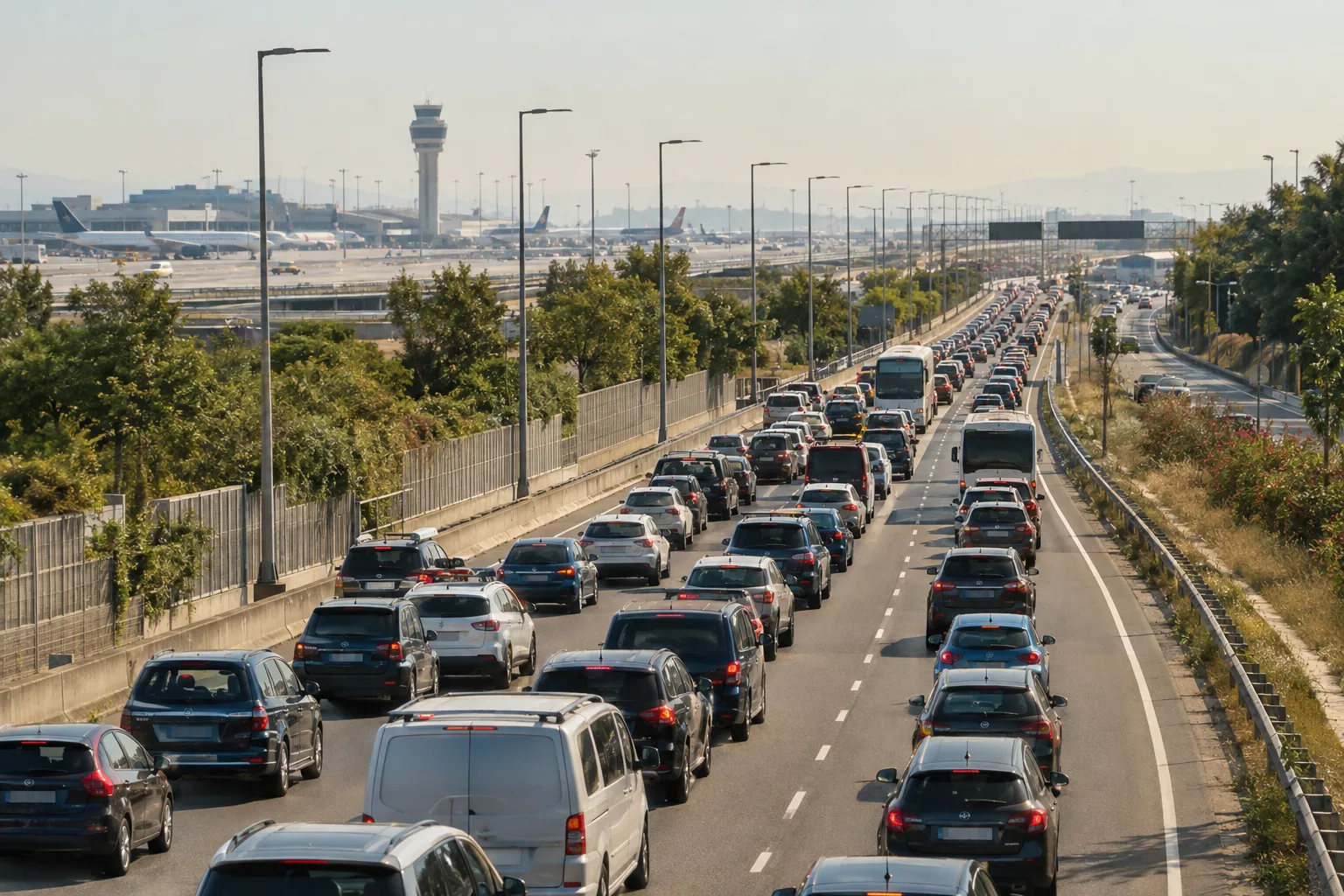
Holiday Horrors
US flight ground stop chaos hits UK travellers
A four‑hour halt to all US departures sparked UK cancellations and long delays. Here’s what happened, who’s affected, and what to do now.
By the Before You Book Editorial Team
Published · Updated · 6 min read
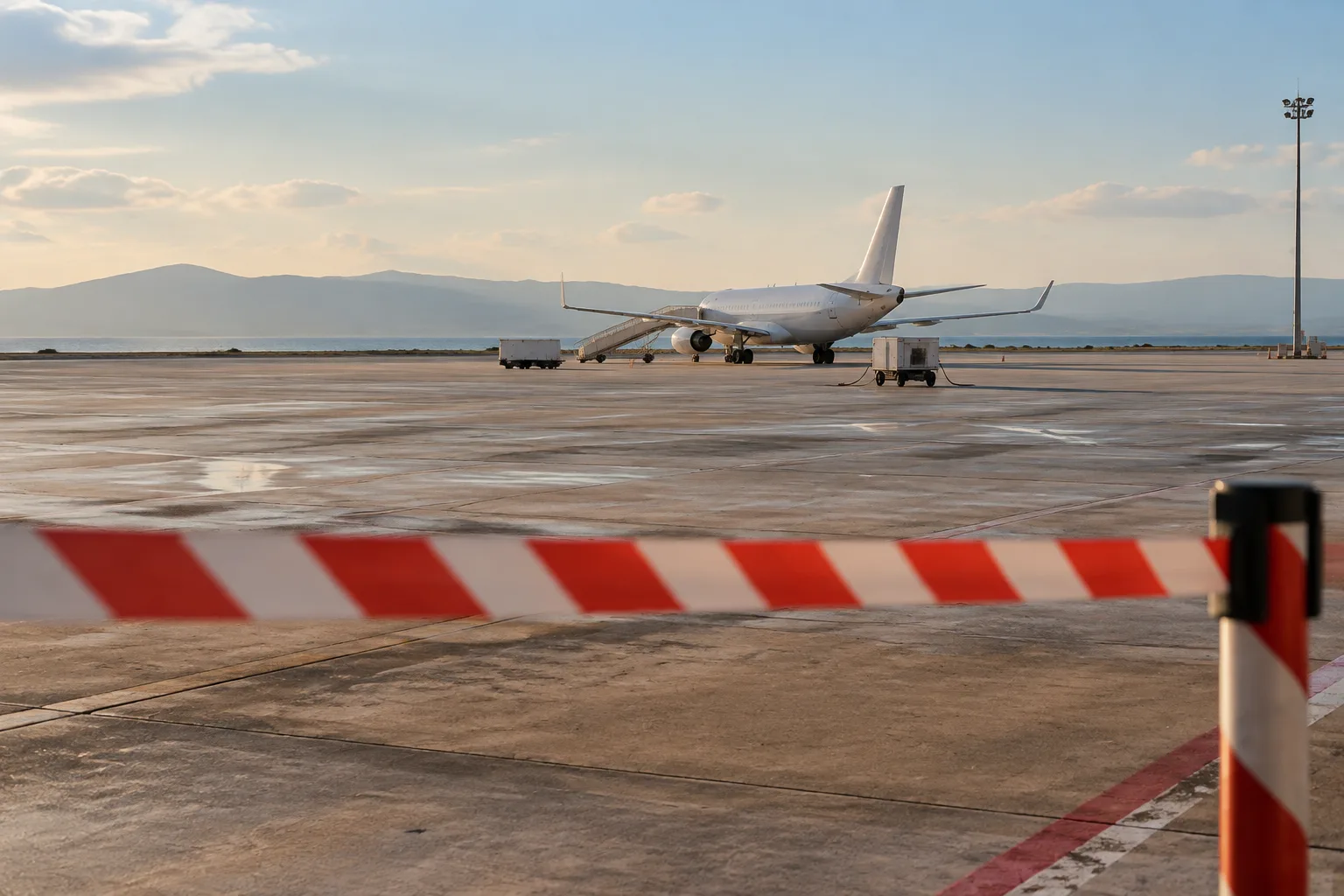
Quick answerA nationwide US air traffic shutdown on Friday night triggered cancellations and delays for UK–US services through Saturday. Disruption is easing, but knock‑ons could linger for days, so check with your airline before travelling.
Timeline
13 November 2026, 19:54 GMT
US authorities ordered a nationwide ground stop halting all departures for safety reasons.
Late 13 November 2026
Departures gradually resumed after roughly four-and-a-half hours, officials said.
14 November 2026 morning
Heathrow showed at least 19 cancellations and 22 delays on US routes, per FlightAware.
14 November 2026
US Transport Secretary Sean Duffy cited a copper‑to‑fibre upgrade issue; cyberattack ruled out.
14 November 2026
Contractor L3Harris said over 70% of the modernisation work had been completed before the stop.
A sweeping shutdown of US airspace on Friday night sent shockwaves through UK airports on Saturday, with cancellations and long delays on routes to North America. With aircraft and crews out of position on both sides of the Atlantic, airlines warned of rolling disruption even as US departures restarted.
The halt — the most severe nationwide intervention in the United States since post‑9/11 restrictions — began at 19:54 GMT on Friday and lasted around four and a half hours, according to US officials. By Saturday morning in Britain, Heathrow alone was showing at least 19 cancellations and 22 delays on US‑bound and inbound services, based on data from flight‑tracking service FlightAware. Gatwick and Stansted reported relatively lighter impacts, and Manchester said US departures were seeing minor delays, but the situation remained changeable as carriers reworked schedules.
What happened
US authorities ordered a nationwide ground stop on Friday evening UK time after communications used by air traffic controllers became unreliable. The US Transport Secretary, Sean Duffy, said the trigger was an issue during a project replacing ageing copper lines with fibre optics, describing the system as decades old. Investigators are examining whether the problem lay with contractor work or faulty equipment, and he said there was no evidence of a cyberattack so far.
The Federal Aviation Administration later confirmed departures had resumed, but stressed safety and system integrity would dictate the pace of the recovery. With more than 3,500 flights cancelled in the US on Saturday and thousands more delayed, according to FlightAware, ripple effects spread to transatlantic operations as airlines sought aircraft space, flight crews and new slots.
At Heathrow, cancellations mounted through the morning Saturday, particularly on services to major US hubs where gates and crew rotations were already tight. While most UK airports said the majority of their schedule was operating, passengers on North American routes faced lengthy waits, re-routings via Europe and same‑day cancellations as carriers prioritised safety and crew duty‑time limits.
US officials framed the root cause as a failure linked to legacy infrastructure. As Duffy put it, the stop followed a “copper wire upgrade” that led to a router flooding other systems and degrading communications with aircraft. He also signalled the need for substantial funding to modernise the network to reduce single points of failure.
Industry data showed the scale of the shock. At the lowest point around 01:29 UK time on Saturday, only a few hundred flights worldwide were inbound to the US, compared with several thousand on a normal night, highlighting how quickly a ground stop empties airspace and how long it can take to refill.
The background
Nationwide ground stops in the US are exceptionally rare. The last one was a shorter pause in January 2023, and before that, the sweeping closures after 11 September 2001. Friday’s halt was longer than the 2023 pause and affected every domestic departure in the continental US, forcing airlines to cascade cancellations as the backlog grew.
The telecommunication backbone for US air traffic control still includes older infrastructure alongside newer systems. Officials said maintenance to switch from copper to fibre was under way when the issue arose. L3Harris, a contractor on the modernisation project, said on Saturday it had completed more than 70% of the upgrade work before the shutdown and is assisting with the investigation into the fault conditions.
Because UK–US travel is tightly interconnected, any lengthy intervention in US operations can disrupt schedules here for several days. Aircraft that should have arrived overnight to operate Saturday’s morning departures were delayed or diverted, creating gaps. Crews also hit maximum duty hours, forcing cancellations even after systems recovered. Airlines then juggle aircraft across their networks, which can knock on to unrelated routes.
For travellers, the practical impact is familiar from other major disruptions: long queues at ticket desks, limited seats on alternative flights, and patchy hotel availability near airports. Carriers are obliged to provide assistance under UK 261 rules for flights departing the UK on UK/EU airlines — meals and accommodation when necessary — though compensation for the delay itself is not due when the cause is an air traffic control or infrastructure failure outside the airline’s control. We cover those rights in detail in our report on a Wizz Air diversion and passenger entitlements.
Travellers trying to salvage plans often look for creative routings — via Dublin, Reykjavik or European hubs — but spare capacity is limited on weekends. Same‑day standby is rare these days and covered in our guide to what’s left of standby flights and how to try it. If your trip is time‑sensitive, it can be worth asking airlines about rebooking onto partner carriers or a later date without fees; policies vary by fare type and disruption waivers.
What people are saying
Airlines on both sides of the Atlantic urged customers to watch for texts and emails and to allow extra time at airports. UK airports described the picture as dynamic, with most departures operating but US services disproportionately hit. Virgin Atlantic said it was contacting customers directly and apologised for the disruption while it worked to minimise delays.
US officials sought to calm speculation about malicious activity. The FAA’s leadership said there was zero evidence of anything nefarious or AI‑related and emphasised the safety rationale for the stop. The transport secretary warned that similar incidents could reoccur without long‑promised modernisation funding moving through Congress, underlining the fragility of legacy telecoms in a system that steers tens of thousands of daily flights.
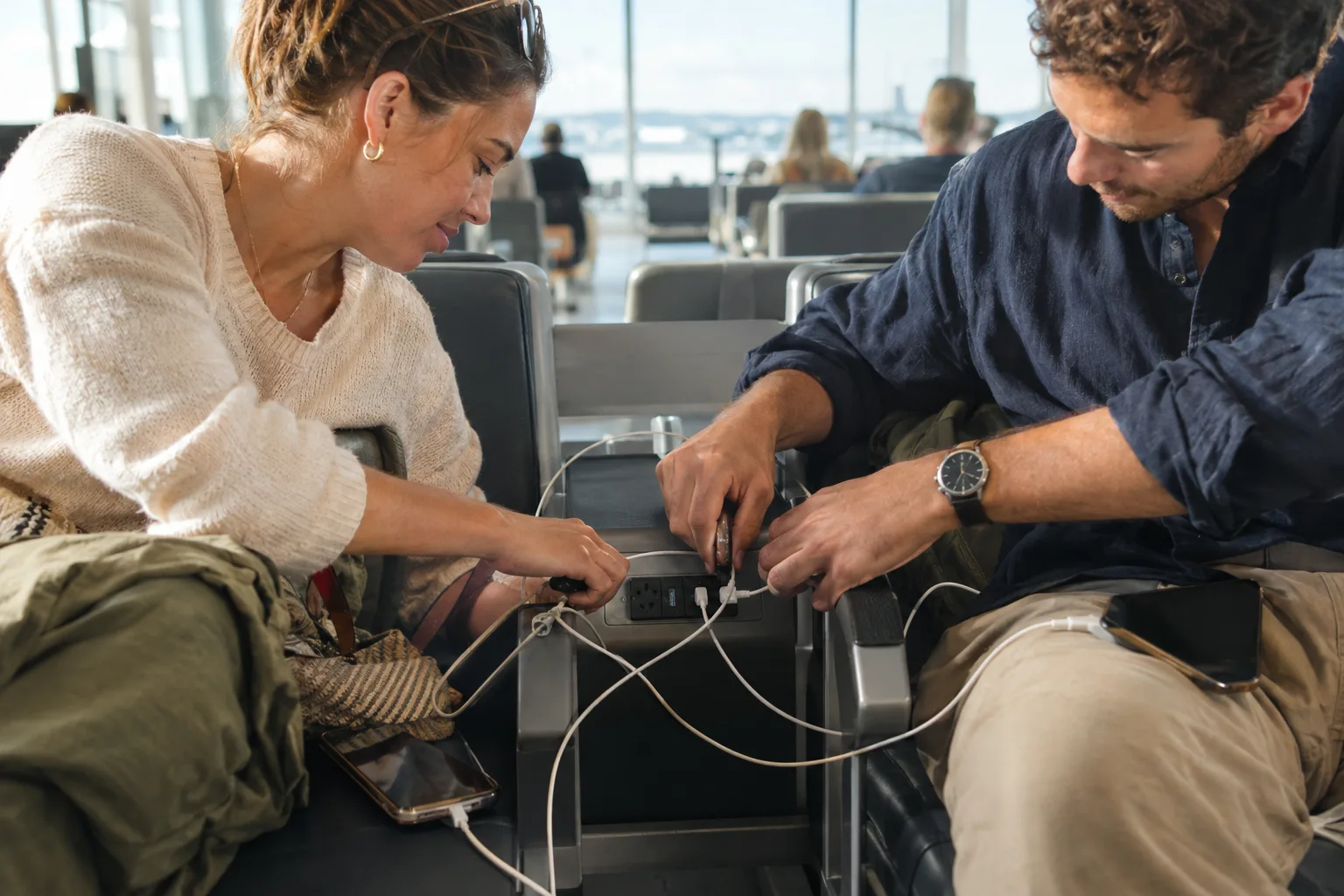
Seasoned travellers and consumer groups typically recommend three basics during disruption: stay close to official airline channels for rebooking, know your rights to care and rerouting, and avoid abandoning a booking until an alternative is confirmed. Pack essentials — medication, chargers, a change of clothes — in cabin baggage; our primer on flying with batteries and the UK rules is a useful refresher when repacking at short notice.
Analysts noted that clearing the backlog after a nationwide ground stop takes days, even once the technical fault is fixed. A fresh rotation of crews must be found, overnight aircraft need to be repositioned, and maintenance schedules can be thrown off. Travellers might find odd aircraft substitutions or last‑minute gate changes as operations flex to catch up, a pattern we’ve seen before during traffic squeezes, such as the advice to arrive early around major events that congest airports.
What happens next
Saturday’s UK disruption was already easing outside transatlantic routes, but the long tail will likely persist into the start of the week as aircraft return to regular patterns. If you’re due to fly to or from the US in the next few days, keep checking your booking, reconfirm your seat assignments after any reissue, and monitor airport departure boards.
Most airlines will allow free changes within a limited window when a global disruption is declared, especially if a waiver is issued. If a same‑day departure is impossible, ask about rerouting via partner hubs or moving your trip; flexibility is greatest if you act early. If your travel is discretionary and you’re outside fare rules or a waiver, weigh the value of travelling now versus pushing to a quieter day when operations have settled.
As investigations proceed, expect more detail on the failure mode and any interim safeguards to reduce the risk of a repeat during the ongoing copper‑to‑fibre switchover. For now, officials have ruled out cyber involvement and focus is on legacy equipment interactions. Funding for wider modernisation will be debated in Washington in the coming days, with the transport secretary calling for major investment to harden the network.
For UK flyers, the lesson is the same one we give whenever global infrastructure sneezes: build margin into itineraries that rely on tight connections, keep your insurer in the loop early, and know your rights to care and rerouting when delay strikes. If you’re piecing together a complex long‑haul, consider a single through‑ticket on one airline alliance to reduce risk — it’s a theme we explored in our explainer on jet fuel prices and what really moves airfares, where planning and flexibility can matter more than headline costs.
Related: Panama earthquake 2026: what UK travellers need to know
Why this matters
A US‑wide ground stop shows how quickly overseas failures can derail UK trips. If you’re flying transatlantic this week, keep refreshing your booking, know your UK 261 rights to meals and hotels, and ask about rerouting or moving dates. Build slack into tight connections and consider flexible fares on future trips to avoid being boxed in by events beyond the airline’s control. Our guide to standby tactics and alternatives has more on last‑minute options when schedules collapse.
From Before You Book Travel · Sponsor
Plan your trip with Becky
Tell Becky where you're dreaming of and she'll come back with a personalised holiday plan. No obligation, and no call centre.
Common questions
- why were us flights grounded on friday night
- US authorities ordered a nationwide ground stop after a communications issue during a copper‑to‑fibre upgrade disrupted air traffic systems. Officials said safety required pausing all departures.
- how long did the us ground stop last
- Roughly four and a half hours. Departures resumed late on Friday night US time, but knock‑on disruption continued into Saturday and is likely to linger for days.
- were uk airports affected by the us ground stop
- Yes. UK–US services saw cancellations and delays on Saturday as aircraft and crews were out of position. Heathrow listed at least 19 cancellations and 22 delays.
- was the us flight shutdown caused by a cyberattack
- Officials said there is no evidence of a cyberattack or AI involvement. The transport secretary linked the issue to work replacing old copper lines.
- what should i do if my us flight is cancelled today
- Stay with your airline’s official channels, request rerouting or a later date, and claim meals and accommodation if stranded. Turn up only if your rebooking is confirmed.
- can i get compensation for delays from the us ground stop
- Cash compensation is unlikely because air traffic control failures are outside an airline’s control. Under UK 261, you are still entitled to care and rerouting.
- which uk airports reported the most disruption
- Heathrow saw the most visible impact, with at least 19 cancellations and 22 delays on Saturday morning. Gatwick, Stansted and Manchester reported lighter effects.
- will disruption continue into next week
- Possibly. After a nationwide stop, it can take days to realign aircraft, crews and slots. Keep checking your booking and consider flexible rebooking if offered.
Sources
- The Telegraph Travel: Flights cancelled across Britain after US systems failure
- bbc.com: Copper wire upgrade caused nationwide flight chaos, US transport secretary says
- Travel Weekly UK: Travel firms warn of further disruption after US air traffic control shutdown - News
This article was written by Before You Book using the sources listed above. Product mentions are editorial unless clearly marked as sponsored.