Holiday News
Paraguay travel advice update: protests possible, says FCDO
UK guidance now flags possible demonstrations and protests in Paraguay — here’s what it means for your trip.
By the Before You Book Editorial Team
Published · 5 min read
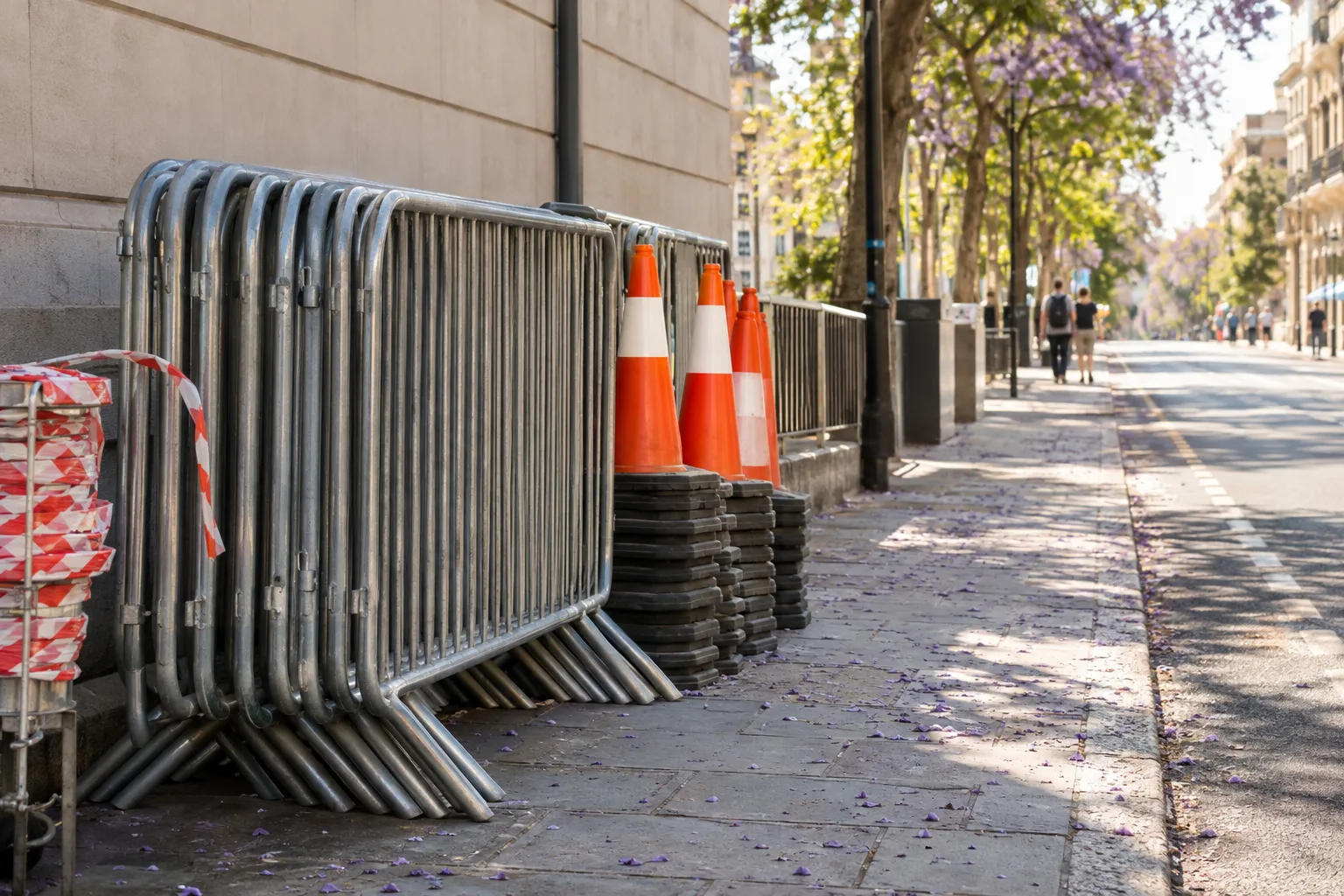
Quick answerThe UK Foreign Office has updated its Paraguay travel advice, warning of possible demonstrations and protests. Travellers should avoid large gatherings, monitor local news and follow local authorities’ instructions.
The UK government has updated its travel advice for Paraguay, flagging the potential for demonstrations and protests and reminding visitors to steer clear of large gatherings. The change, published on 3 November 2026, is a timely nudge for winter-sun seekers and overlanders passing through South America to review plans and check cover.
The guidance doesn’t restrict travel but stresses common‑sense precautions. Protests can flare quickly and may lead to localised disruption — think blocked roads, short‑notice diversions and shuttered attractions. We rate Paraguay’s capital and colonial towns as rewarding stops on a broader South America itinerary, but in a protest‑prone moment, trips run smoothest when you build in a little slack: flexible dates, backup routes and accommodation you can cancel.
What happened
The Foreign, Commonwealth & Development Office (FCDO) updated its Paraguay page on 3 November 2026, adding a note on possible demonstrations and protests under Safety and security. The wording signals a risk of gatherings forming with limited warning, which can affect movement and services in affected areas.
The FCDO’s standing line in these situations is to “avoid large gatherings and demonstrations”, and we agree — even peaceful rallies can change tone quickly, and bystanders risk getting caught up in crowd-control operations. Organisers sometimes target central squares, government buildings and main roads, which can have a knock‑on effect on traffic and airport transfers.
For travellers with fixed connections — a domestic flight, a guided tour, a key border crossing — that means leaving more time than usual. We suggest planning transfers for the quieter part of the day and confirming pickup spots with your driver or hotel on the morning of travel. Our team has seen similar disruption play out elsewhere this year, from traffic slowdowns to timetable shifts, which is why we consistently recommend padding tight itineraries, as we noted in our piece on Antalya COP31 traffic prompting four‑hour airport check‑ins.
What this means for your booking
Most airlines and hotels will operate as normal unless authorities impose restrictions in specific neighbourhoods. If a protest blocks the direct route to your accommodation, drivers will usually detour; if you’re self‑driving, keep a paper map or offline navigation to hand in case of police diversions. If you’ve booked prepaid rates, check the small print for change fees and deadlines, echoing the same diligence we advise for policy fine‑print in Airbnb checkout rules and guest expectations.
The background
Paraguay remains a welcoming, low‑profile destination on the classic overland trail between Argentina, Brazil and Bolivia. Demonstrations aren’t unusual in the region and can be prompted by political or economic issues, typically announced on social media or local radio with little lead time. While many pass peacefully, any large gathering can disrupt traffic and public transport if roads are occupied.
Border travel is a separate but relevant consideration. Neighbouring authorities regularly caution about criminal activity around frontier zones elsewhere in the region. Canadian officials, for example, advise heightened caution on Brazil’s side of multiple borders, including within 20 km of the frontier with Paraguay, due to smuggling and organised crime. If your route involves cross‑border coaches or a self‑drive loop, plan daylight travel and stick to established crossings.
Health and seasonality also shape trips here. Summer in the Southern Hemisphere brings heat and humidity; storms can trigger short‑term flooding on rural roads, adding to the risk of ad‑hoc detours when combined with civic events. As ever, comprehensive travel insurance is essential; buy a policy that covers civil unrest‑related delays and missed connections, a point we hammer home in our explainer on jet fuel price shocks and how they ripple into travel plans.
Practical safety habits that work
- Keep plans flexible on protest‑announced days; pencilling, not penning, museum slots or restaurant reservations helps avoid no‑show fees.
- Ask your hotel reception each morning about any announced marches or road closures on your route; they usually know where bottlenecks form.
- Save offline maps and pin alternative bridges, ring roads and fuel stops in case city centres are gridlocked.
- Carry a photocopy of your passport and keep the original locked away when out sightseeing.
- If you spot crowds forming, take the next turn rather than stopping to film; it’s the safest way to stay well clear.
What people are saying
UK officials highlight the risk of public gatherings forming and advise travellers to steer clear. The FCDO’s core message is to “avoid large gatherings and demonstrations” — guidance we echo whenever cities experience protest activity.
Seasoned tour managers and hotel concierges across the region generally advise building in buffer time around intercity journeys, checking local news, and using trusted, door‑to‑door transfers after dark. They remind visitors that protests can look bigger on camera than they feel on the ground, but it only takes one blocked junction to derail a tight connection.
Travel insurers typically require you to take “reasonable steps” to avoid foreseeable disruption. In practice, that means allowing extra time to reach the airport, accepting a rerouted transfer if advised, and not deliberately entering areas where demonstrations are underway. Keep receipts for any extra costs incurred by diversions or missed services to help with claims.
From a consumer‑rights angle, package holidaymakers usually benefit from clearer rebooking rights if local conditions materially affect the trip. Independent travellers have more control but carry more admin — you’ll need to coordinate airlines, hotels and on‑the‑ground providers yourself. Our readers found this distinction mattered during widespread disruption, as we discussed when US ground stops caused knock‑ons for UK flyers.
What happens next
Expect more of the same steady‑state advice unless on‑the‑ground conditions change. When protests are possible rather than confirmed, the practical playbook is simple: keep your itinerary elastic, avoid gatherings, and check routes before you set off. If demonstrations are announced for the day you fly, move your transfer earlier and arrange pickup from a calmer part of town.
If you’re booking soon, choose flexible or semi‑flexible rates, and pick airlines that allow free same‑day flight changes if you’re connecting onward. Build a cushion between long‑haul arrivals and domestic legs, and consider overnighting near the airport if your onward journey is time‑critical. Keep an eye on your airline app and local news on the morning of travel, mirroring the common‑sense steps we set out in our guide to packing batteries correctly for flights — preparation makes the airport part easier.
Should the local picture shift — for example, authorities announce specific restrictions in certain districts — we’ll update our coverage with route advice, timing tips and what your insurer or tour operator should do for you. Until then, keep plans nimble, documents backed‑up, and your walking route pointed away from any gathering crowds.
Related: St Helena, Ascension and Tristan da Cunha travel advice updated
Why this matters
For UK travellers, the update is a planning nudge, not a red flag. Build buffer time into airport transfers, choose flexible rates you can change without fees, and check local updates each morning. If protests are announced, avoid the area and reroute early. For broader context on official advisories, see our explainer on Bulgaria’s new EES border rules for UK visitors (/article/bulgaria-travel-advice-updated-ees-rules-for-uk-visitors).
From Before You Book Travel · Sponsor
Plan your trip with Becky
Tell Becky where you're dreaming of and she'll come back with a personalised holiday plan. No obligation, and no call centre.
Common questions
- what changed in the paraguay travel advice
- On 3 November 2026 the UK updated its Paraguay advice to flag possible demonstrations and protests. Travellers should avoid large gatherings and follow local authorities’ instructions.
- is it safe to travel to paraguay right now
- Travel continues, but the UK warns protests are possible. Stay away from demonstrations, monitor local news and allow extra time for journeys in affected areas.
- could protests in paraguay disrupt my flight or transfer
- Yes, protests can block roads or slow traffic at short notice. Leave early for the airport, confirm pickup locations and have a backup route saved offline.
- do uk travellers need special insurance for paraguay
- You need comprehensive travel insurance. Choose a policy that covers delays, missed connections and itinerary changes linked to civil unrest or road closures.
- where in paraguay are protests likely to happen
- Locations aren’t specified; demonstrations can form with little warning. Avoid any large gatherings you encounter and follow local authorities’ guidance.
- what should i do if i encounter a protest in paraguay
- Do not stop. Turn away, take an alternative route and avoid filming. Follow police instructions and seek advice from your hotel on safer routes.
- are paraguay’s borders affected by crime
- Regional authorities warn of criminal risks in some South American border areas. Plan daylight crossings, use official checkpoints and avoid isolated routes.
- will hotels and tours in paraguay be cancelled because of protests
- Most operate as normal. Disruption is usually localised to affected streets. Choose flexible rates and confirm arrangements on the day to avoid no‑show fees.
Sources
This article was written by Before You Book using the sources listed above. Product mentions are editorial unless clearly marked as sponsored.