TrendingHoliday Horrors
Wizz Air Luton–Sofia flight diverted to Budapest after bomb threat
A Wizz Air service to Sofia made an emergency landing in Budapest after a bomb threat; searches found nothing.
By the Before You Book Editorial Team
Published · 6 min read
Quick answerA Wizz Air flight from London Luton to Sofia diverted to Budapest after a mid‑air bomb threat. Hungarian authorities searched the aircraft and passengers; Wizz Air said “nothing was found” and the flight was cleared to continue.
Timeline
08:33 GMT
Flight 4302 departs London Luton for Sofia, according to FlightAware.
Mid‑flight
A bomb threat is received; the crew requests permission to land in Budapest.
Minutes later
A Hungarian Air Force Gripen fighter jets to escort the passenger aircraft.
12:09 local (11:09 GMT)
The flight lands at Budapest Liszt Ferenc International Airport.
After landing
The aircraft taxis to a designated stand; police and authorities conduct security checks.
Later the same day
Wizz Air says the inspection is complete and nothing was found; the flight is set to depart again.
Public interest in Wizz Air has spiked this week, and with reason: a routine Luton–Sofia service was forced into an emergency diversion to Budapest after a bomb threat mid‑flight. Searches for the airline have jumped as travellers tried to understand what happened and whether it affects their plans.
The airline confirmed Hungarian police and airport authorities carried out security checks on both the aircraft and its passengers after landing. Wizz Air later said the inspection was complete and, crucially, “nothing was found”, with the aircraft cleared to continue. Here’s what we know — and what it means if you were on board, due to fly, or simply planning your next short‑haul break.
What happened
Wizz Air flight 4302 departed London Luton at 08:33 GMT, bound for Sofia, according to flight‑tracking service FlightAware. Mid‑journey, a bomb threat was reported and the crew requested permission to divert to Budapest Liszt Ferenc International Airport, Hungary’s main hub.
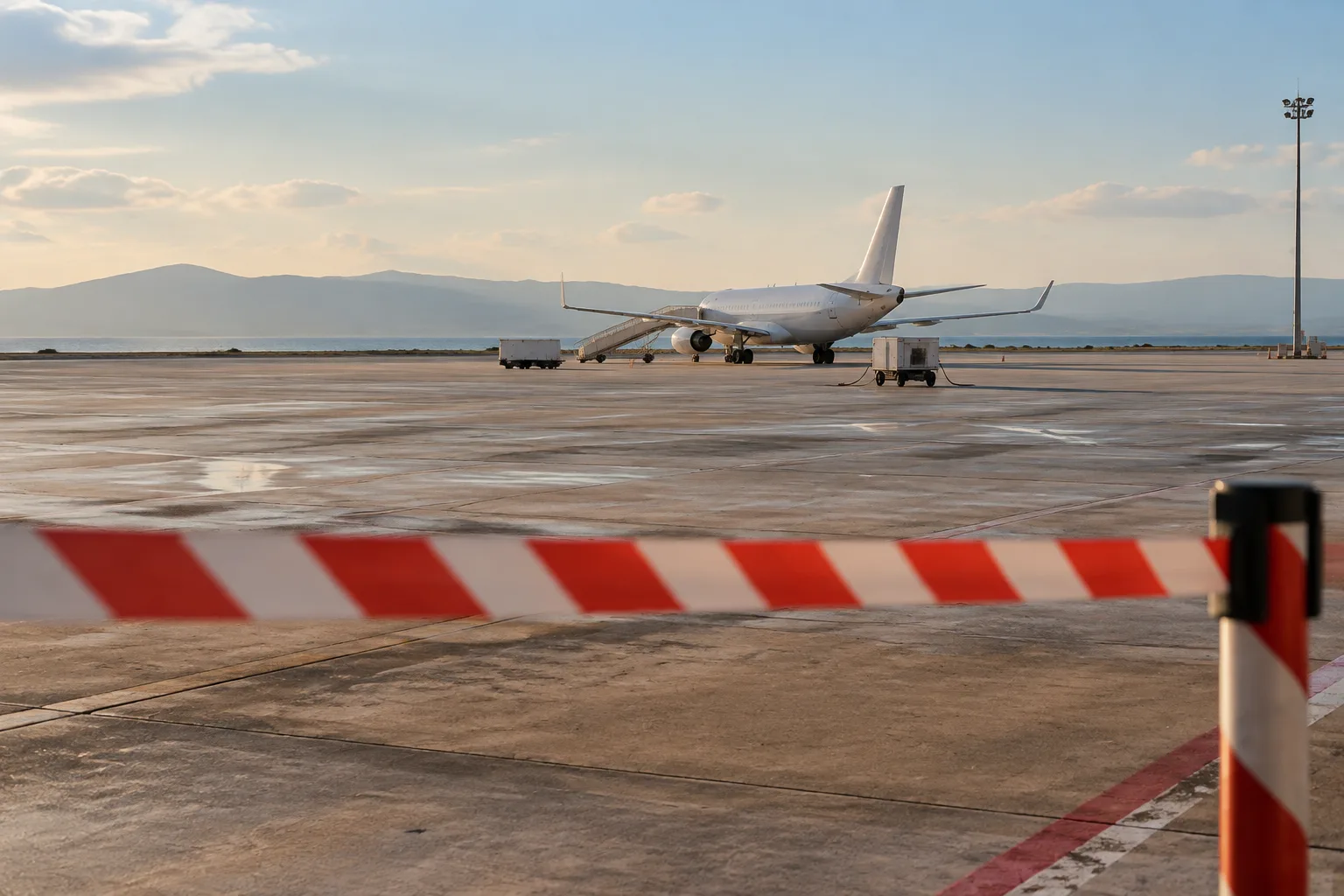
Hungary’s defence minister confirmed a Gripen fighter jet launched within minutes to meet the airliner and provide an escort to Budapest. After landing at 12:09 local time (11:09 GMT), the aircraft taxied to a designated stand where police and security teams boarded and began checks.
Authorities examined the aircraft and passengers, in line with established security protocols for airborne threats. Wizz Air said it cooperated fully with officials throughout the process.
Following the inspection, the airline stated that nothing suspicious was identified on board. The aircraft was prepared to depart again shortly afterwards, suggesting the disruption would be contained to a same‑day delay rather than a cancellation.
While an escort by fighter jet is rare for most travellers, it forms part of standard national response procedures when there’s a credible airborne security alert. The presence of the escort helps ensure a controlled approach and immediate coordination with ground authorities on arrival.
For those watching the route from the UK, FlightAware’s timeline shows the diversion occurred deep into the journey, with the flight tracking north towards Budapest over the Balkans rather than continuing east to Bulgaria. That reroute adds over an hour of onward logistics once cleared, even when no threat is ultimately found.
The background
Airlines and air navigation authorities treat mid‑air security alerts with an abundance of caution. Standard playbook: land as soon as safely possible at an airport with appropriate security capability, isolate the aircraft, and hand over to police and specialist teams. That is exactly what happened in Budapest.
Once parked at a designated remote stand, passengers are typically kept on board or escorted off in a controlled manner, depending on the local security assessment. Baggage and cargo may be screened again before the aircraft is released. These measures can look dramatic but are designed to keep everyone safe while minimising wider airport disruption.
From a passenger‑rights point of view, security events fall into the “extraordinary circumstances” bucket under UK and EU rules. That generally means cash compensation is not payable for delays or diversions caused by a genuine security alert, even if the disruption is significant. Out‑of‑pocket care — water, reasonable refreshments, and communication — should still be provided during extended waits.
If a diversion strands passengers away from the intended destination, airlines are expected to complete the journey as soon as they can, which may involve a later flight or re‑routing once the aircraft is cleared. In today’s case, the airline indicated a short turnaround, a sign that checks concluded swiftly and the operational impact might be limited to a delay rather than an overnight.
The use of military jets to shadow a passenger aircraft is coordinated between civil and defence authorities and is not unique to Hungary. Gripen fighters are designed for rapid scramble and interception, which explains the minister’s reference to a launch within minutes of the alert. That swift response reduces airborne uncertainty and gets the aircraft on the ground under the tightest possible control.
For travellers comparing their options the day after a scare, our advice mirrors what we say in wider disruption: check your flight status regularly, arrive on time, and build margin into connections. If you’ve got a tight onward hop after landing, consider rebooking it now rather than risking a misconnect. Our guide to Ryanair and easyJet cancellations and your UK flight rights breaks down what airlines owe you when schedules go sideways.
If your trip crosses borders or big time zones, don’t forget the basics: a clock change or re‑timed departure can catch you out on morning flights. Our explainer on how the time change affects UK travel covers simple checks that stop an already‑stressful day turning into a missed departure.
For those planning winter getaways, route maps continue to shift quickly. If you’re looking at alternatives or back‑up options later in the season, see what’s opening up in our round‑up of new winter flight routes from UK airports. And if you end up re‑planning at short notice, our take on standby flights and whether any deals remain sets expectations on what’s realistic at the airport these days.
What people are saying
Wizz Air said post‑inspection that “nothing was found”, and reiterated that passenger and crew safety is its highest priority. Officials in Hungary confirmed the military escort and the handover to police upon landing in Budapest.
Aviation security specialists consistently advise passengers to follow crew instructions to the letter during any in‑flight alert. That means staying seated when told, stowing devices if asked, and avoiding speculation that can hamper cabin communication. Cabin crews train for these situations; their word is the one that counts.
Seasoned travellers also swear by a few practicalities on days like this: keep medication, chargers and essentials in your small personal bag rather than the overhead locker, in case you’re asked to disembark quickly and can’t reach your hand luggage.
Consumer bodies remind passengers that while compensation is unlikely for security‑related diversions, you should still claim reasonable refreshments and assistance during long waits. Keep receipts for any necessary purchases if the delay drags on and care isn’t forthcoming — you can pursue reimbursement later.
Airport staff are trained to move people calmly to secure areas if needed. That can mean slow, painstaking progress down the aisle, long pauses on a remote stand, or even waiting on board while searches are completed. It’s tedious, but it’s designed to keep you out of harm’s way while specialists do their work.
What happens next
With checks complete and the aircraft reportedly cleared to depart, the immediate focus will be on getting passengers to Sofia and re‑balancing the day’s schedule. Even short disruptions can ripple through rotations, so minor knock‑on delays to other flights using the aircraft are possible.
Police will continue their investigation into the origin and credibility of the threat. That process tends to be invisible to travellers, but it can involve tracing communications, interviewing crew and passengers, and reviewing airport‑security footage at departure and diversion points.
If you’re due to fly the same route this week, treat it as business as usual unless the airline contacts you. Keep an eye on your booking, enable app notifications, and allow extra time at the airport in case security screening is temporarily enhanced following the incident.
For those affected directly, check whether your travel insurer will cover incidental expenses from delays caused by security alerts. Policies vary, and while many exclude compensation for airline‑controlled delays, some offer fixed payouts after a threshold wait regardless of cause.
This episode is a reminder that commercial aviation is built to handle rare, high‑stakes scenarios calmly and methodically. The sight of a fighter escort is unnerving, but it signals that procedures are working as designed: the aircraft gets down quickly, specialists take over, and passengers get home safe, even if a few hours late.
Why this matters
Security scares like this are rare, but they do happen — and they rarely qualify for cash compensation. If your flight diverts, expect checks, care and a delay, not a refund. Keep essentials in a small bag, watch your app for updates, and know your rights with our guide to UK flight cancellations and compensation.
From Before You Book Travel · Sponsor
Plan your trip with Becky
Tell Becky where you're dreaming of and she'll come back with a personalised holiday plan. No obligation, and no call centre.
Common questions
- what happened to the wizz air luton to sofia flight
- It diverted to Budapest after a mid‑air bomb threat. Hungarian authorities searched the aircraft and passengers, and Wizz Air said nothing was found before clearing the flight to continue.
- why did a fighter jet escort the wizz air flight
- Hungary launched a Gripen fighter to escort the passenger aircraft after the bomb threat, part of standard national procedures for airborne security alerts.
- did the wizz air flight land safely in budapest
- Yes. It landed at Budapest Liszt Ferenc International at 12:09 local time (11:09 GMT) and taxied to a designated stand for security checks.
- were explosives found on the wizz air plane
- No. Wizz Air said the inspection was completed and “nothing was found,” and the aircraft was cleared to depart shortly afterwards.
- what time did the luton flight take off and divert
- FlightAware reports it departed Luton at 08:33 GMT and landed in Budapest at 12:09 local time (11:09 GMT) after the diversion.
- will passengers get compensation for the wizz air diversion
- Unlikely. Security incidents are considered extraordinary circumstances, so compensation usually isn’t due, though care such as refreshments should be provided during long delays.
- who is investigating the wizz air bomb threat
- Hungarian police took charge after landing in Budapest. The airline said it cooperated fully with the authorities during the security checks.
Sources
- bbc.com: Wizz Air flight from Luton in emergency landing after bomb threat
- bbc.co.uk: Wizz Air flight from London in emergency landing after bomb threat
This article was written by Before You Book using the sources listed above. Product mentions are editorial unless clearly marked as sponsored.